The Performance Center is becoming a revolving door for legends

The shifting role of the veteran coach
The WWE Performance Center in Orlando has evolved into something far beyond a basic training facility. It now functions as a high-stakes laboratory where the past meets the future in increasingly frequent intervals. Recent reports indicate that a WWE Hall of Famer was spotted at the facility this week, a development that signals a shift in how the company manages its developmental talent.
This is not merely a nostalgia tour for retired stars looking to stay relevant. When veterans walk through those doors, they bring a specific set of instincts that cannot be taught by a textbook or a drill sergeant. The presence of icons at the Performance Center, as noted by PWInsider, suggests that the brass wants these younger athletes to absorb the nuances of crowd psychology that only come from decades on the road.
The danger of over-coaching
However, there is a legitimate concern regarding the homogenization of the product. If every prospect is being molded by the same group of legends, the television product risks losing its distinct personality. Wrestling thrives on eccentricity and the rough edges that usually get sanded down in a controlled environment like the Performance Center.
We have seen this play out before with talent who arrive on the main roster looking like polished mannequins. They can hit their spots with precision, but they often lack the grit that defines a true main event star. The reliance on veterans to steer the ship is a double-edged sword that could stifle the very creativity the company claims to value.
Refining the developmental pipeline
The current strategy seems to be centered on minimizing the transition period from NXT to the main roster. By having seasoned veterans acting as mentors, the company hopes to shorten the learning curve for the next generation. It is an aggressive approach, but it places immense pressure on athletes who are still learning how to work a camera, let alone a live audience.
The risk of burnout is real. When you combine the physical toll of the training regimen with the psychological weight of being mentored by legends, some prospects simply crack under the intensity. The goal of 100 percent efficiency in talent development is a noble pursuit, but it often ignores the human element of trial and error.
Looking toward the next transition
The most successful stars in history were rarely products of a singular system. They were scavengers who picked up tricks from veterans, independent circuits, and their own failures. If the Performance Center becomes too exclusive, we might see a decline in the variety of styles that make professional wrestling interesting.
It is worth monitoring how these visits translate into actual in-ring performance over the next 6 months. If the result is a roster of clones, the experiment will have failed. If it produces stars with a firm grasp of the fundamentals and their own unique identity, then the presence of these legends will have been worth the investment.
WWE Elite Collection Series 114 Jey Uso Action Figure
Bring the 'Yeet' energy home with this highly detailed Main Event Jey Uso figure
Frequently Asked Questions
Why is WWE using Hall of Fame veterans at the Performance Center?
What is the main concern regarding veteran coaches at the Performance Center?
How does the veteran-led training affect the NXT to main roster transition?
What are the potential risks for prospects training under WWE legends?
How will WWE evaluate the success of this coaching strategy?
More Coverage

NXT Championship volatility reaches a boiling point
46 minutes ago
WWE reshuffles NXT pipeline as Meghan Walker eyes main roster debut
47 minutes ago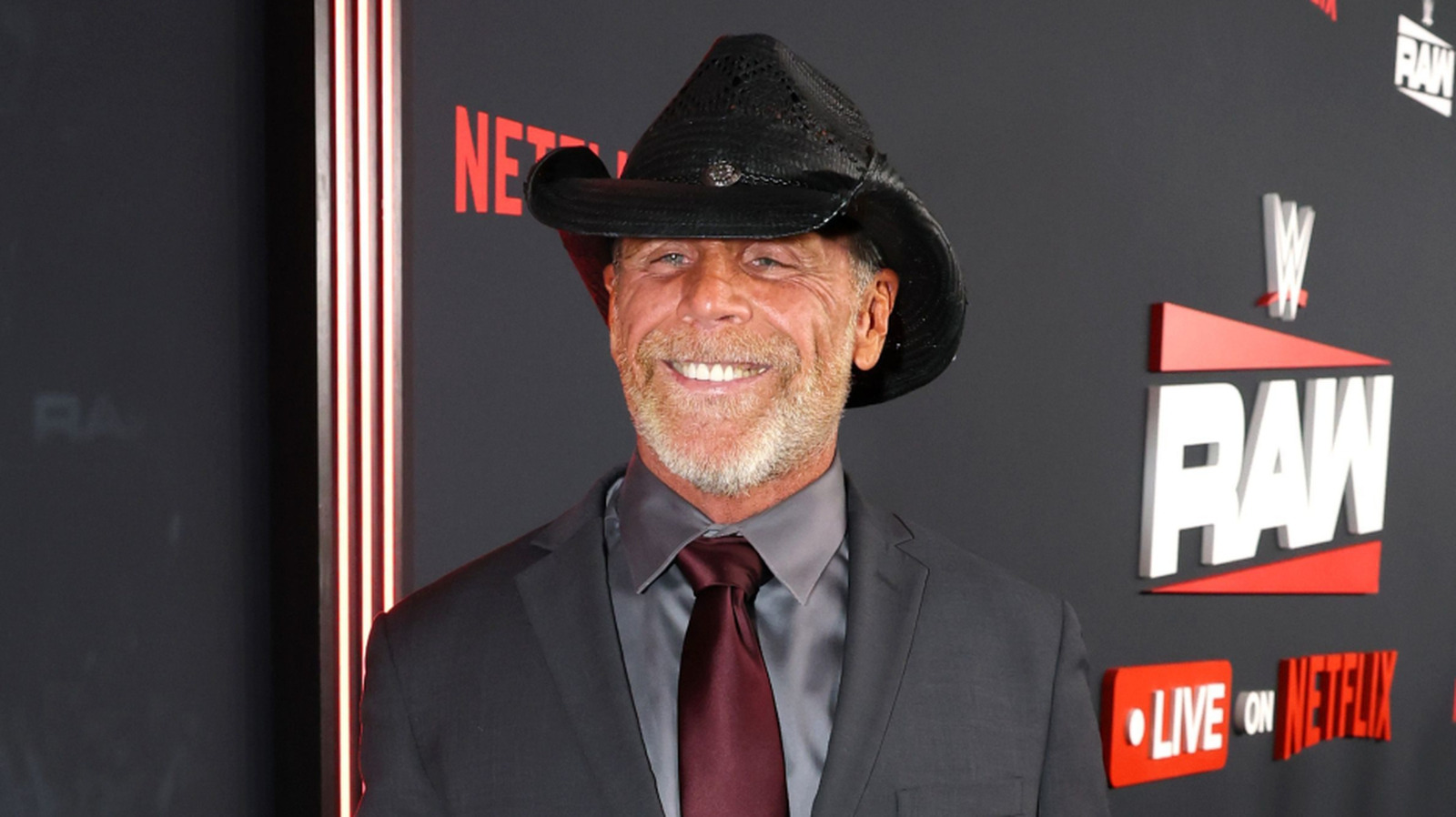
Andre Chase pulls back the curtain on the Shawn Michaels era at NXT
2 hours ago
The Andre Chase effect: Why Shawn Michaels is the ultimate NXT headmaster
2 hours ago
Drew McIntyre sidelined following brutal SmackDown encounter
5 hours agoWWE's New York gamble is a calculated risk ahead of WrestleMania 42
6 hours agoMore Match Reports

WWE’s latest Performance Center name is as generic as a default create-a-wrestler
3 weeks, 3 days ago
Terry Taylor's medical leave highlights the hidden attrition of the PC
1 month, 1 week agoNXT isn't the magic cure-all for every indie darling
1 week, 2 days ago
WrestleMania 41 is the ultimate test of WWE’s performance center pipeline
3 months ago
NXT is stuck in the Performance Center doldrums
4 days ago