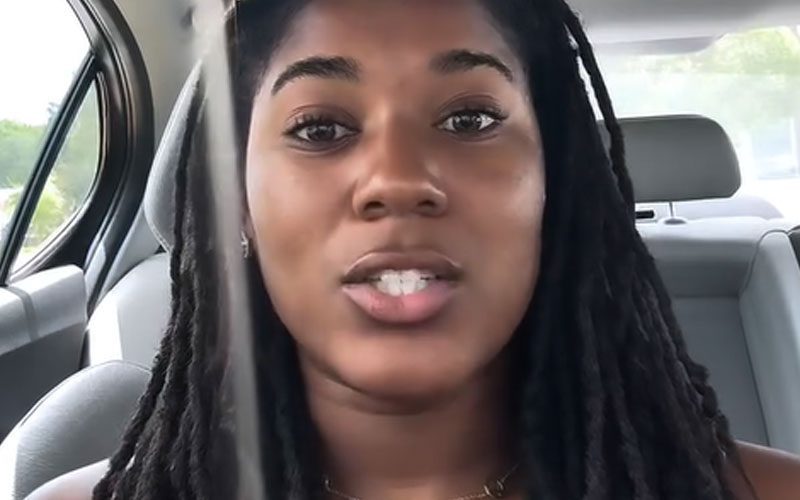
The quiet departure from Orlando
When Sareee arrived in Stamford, the industry buzz was deafening. She carried the weight of the Sendai Girls' Pro Wrestling reputation and a decade of technical excellence that few could match. Yet, the version of the performer that appeared on NXT television felt like a ghost of her former self.
As reported by Wrestling Inc, the performer recently opened up about the experience, labeling it the most difficult time in her professional career. It is a sentiment that echoes through the halls of every promotion that struggles to integrate international stars into a rigid, homogenized production style.
The friction of the WWE system
The core issue during her tenure was not a lack of ability. It was a fundamental mismatch between her natural, aggressive striking style and the restrictive, television-first pacing demanded by the NXT office. She was often relegated to short, disjointed segments that failed to showcase the high-octane sequences that made her a star in Japan.
Watching her struggle to find rhythm in three-minute matches was painful for anyone familiar with her work in Diana or Marvelous. Professional wrestling is a language, and the dialect spoken in the Performance Center was clearly one she was never given the space to learn properly. The constant shuffling of creative direction left her without a clear character arc or a consistent win-loss trajectory.
A flawed booking strategy
The booking decisions during her run were baffling at best. There were moments where she appeared to be gaining momentum, only for the company to pull the plug on her push without explanation. It is a recurring pattern for talent brought in from the independent scene.
The lack of meaningful follow-through is a major criticism of how the promotion handles international acquisitions. When a performer is hired for their specific, established brand of wrestling, forcing them to adapt to a generic style usually results in a diminished product for both the fan and the wrestler. The result was a stagnant period where her technical prowess was largely neutralized by restrictive scripts.
Finding redemption in the independent scene
Since leaving the company, she has reclaimed her identity. The intensity in her recent matches shows a performer who has rediscovered her joy for the craft. She is once again executing her signature dropkicks and stiff forearm strikes with the fluidity that first earned her international acclaim.
Her current run proves that her struggles in the United States were a matter of environment rather than talent. The industry often treats international stars as raw materials to be molded into a specific shape, but some wrestlers are already finished products. Forcing them to change their style is not just a waste of resources; it is a disservice to the audience who tuned in to see what made them famous in the first place.
The lesson for future signings
The promotion needs to realize that success in one arena does not automatically translate to success in another if the fundamental rules of the game are changed. If they continue to sign world-class talent only to strip away their defining characteristics, they will continue to see these kinds of departures.
Sareee is currently thriving as a freelancer, and her trajectory serves as a reminder that the best wrestling often happens outside the corporate umbrella. Her story is a cautionary tale for any promotion that prioritizes control over the natural instincts of their workers. The zero championships she captured during her tenure are less important than the realization that she is now better off for having left the system behind.