The steady drain of institutional knowledge
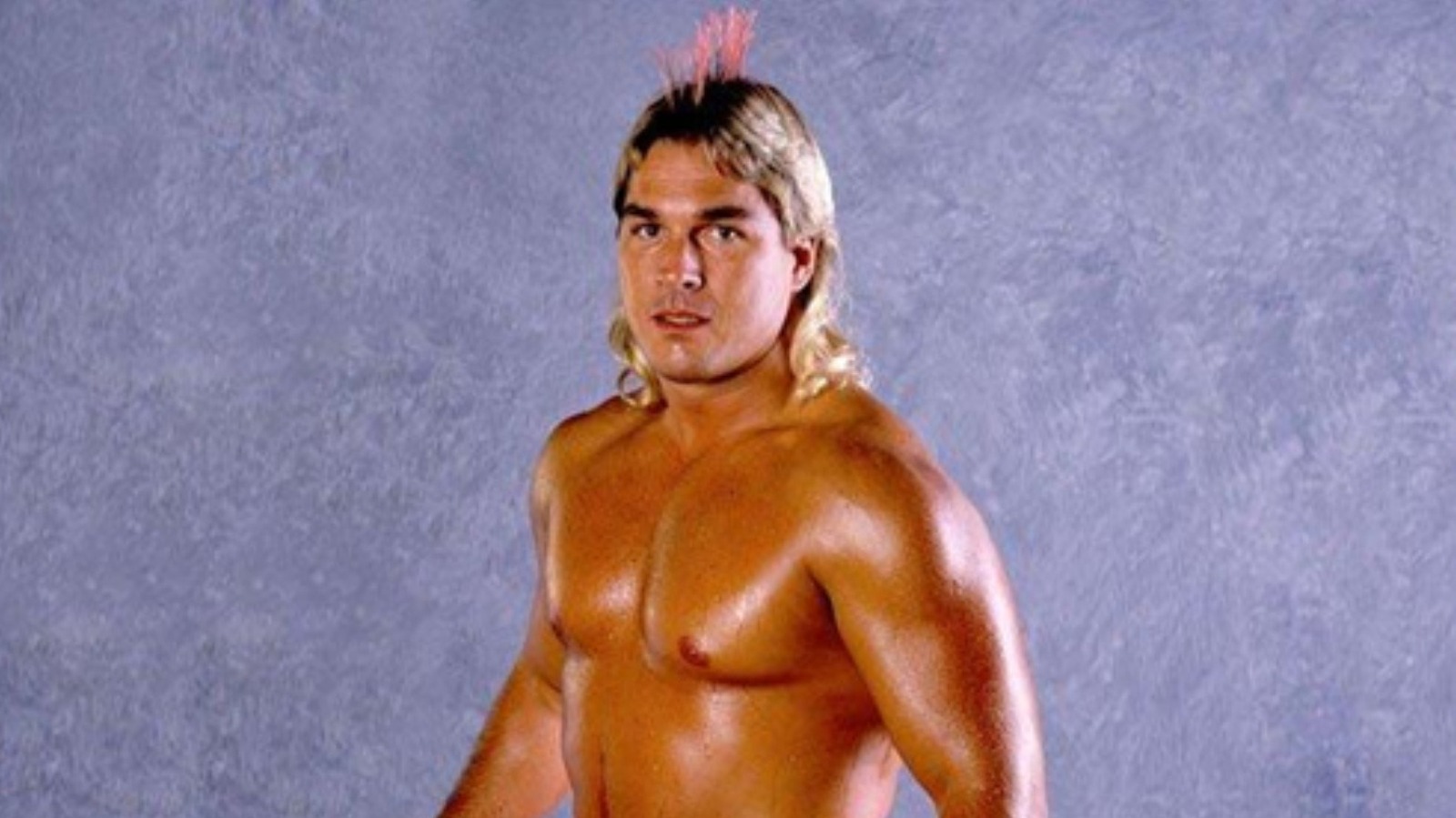
The machinery of the WWE Performance Center relies on a rotation of veteran minds to facilitate the transition from independent standouts to polished television products. As PWInsider confirmed, Terry Taylor is currently stepping away to undergo surgery. It is a blow to the day-to-day operations in Orlando.
Taylor brings an era of ring generalship that spans four decades. In a room filled with athletes learning the nuances of body language and pacing, losing a mentor who worked Mid-South and the WWF is not a minor footnote. It forces NXT management to shift the workload of technical instruction onto a smaller circle of coaches.
The paradox of the Performance Center
Recent revelations from within the developmental ranks underscore the complicated relationship between the company and its staff. Andre Chase, a standout who became a pillar of the NXT brand, disclosed that the initial pitch for his hire was purely coaching-focused. He actively fought to accept a lower salary to stay in the wrestling gear.
This friction between the boardroom's desire for veteran instructors and the talent's desire to perform is persistent. WrestleTalk noted that Chase’s trajectory since his 2021 signing proves how much value is lost when someone is relegated to a trainer’s chair before their prime expiration date. It is a cautionary tale for how talent procurement operates.
Managing the fallout
With Terry Taylor officially sidelined, the spotlight turns to who fills the gap in fundamentals training. NXT product has seen significant shifts in work rate over the last eighteen months. Too often, the focus drifts toward high-spot gymnastics at the expense of consistent selling—a area where Taylor was famously demanding.
The coaching staff now faces a deficit in pure, old-school technical guidance. If the promotion continues prioritizing acrobatic sequencing over base psychological storytelling, the product will suffer in the mid-to-long term. This is not the first time a key trainer has been forced out by injury, yet the lack of a deep, experienced bench in Orlando remains the company's silent failure.
Predicting the impact of Taylor's absence requires looking at the upcoming broadcast schedules. Development rarely stops, and the transition of talent is relentless. I expect the next several sets of NXT tapings to look noticeably faster and perhaps more erratic regarding ring positioning.
My prediction? The company will likely tap a recently active veteran looking for a transition into a backstage role to bridge the gap while Taylor recovers. However, the quality of the matches involving the bottom 30 percentile of the roster will likely dip for the remainder of the quarter. Without the constant oversight of a seasoned hand, basic execution errors will inevitably clutter the screen. Expect to see more missed strikes and sloppy transitions over the next three months.