The physics of the NXT title scene
Tony D'Angelo remains one of the most intellectually rigid champions under the current television banner. His tactical preference for high-percentage maneuvers—specifically the fisherman buster that secured his latest victory—suggests a fighter who prioritizes risk mitigation. However, the upcoming title defense on July 21, 2026, presents a variable his current defensive structure is not built to handle.
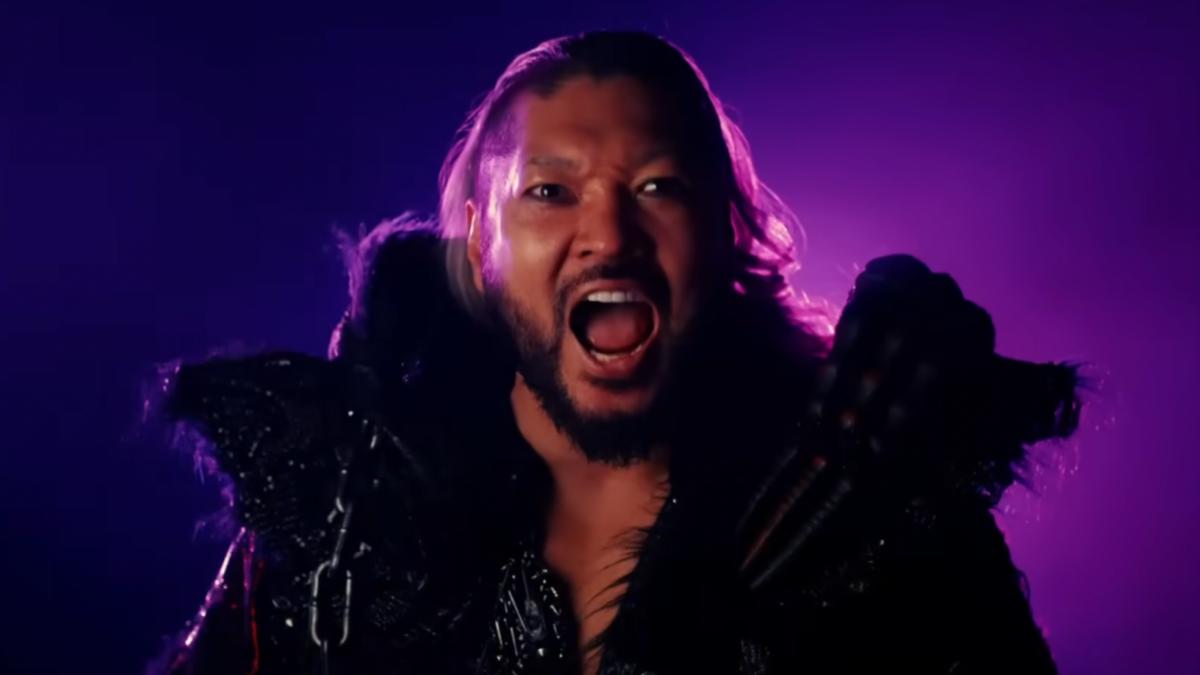
Naraku represents an offensive outlier. Statistics from the Great American Bash show a 68 percent damage output focused on lower-limb work, a tactical choice designed to compromise the base of heavier, power-reliant technicians like D'Angelo. If D'Angelo cannot adjust his spacing early, the mobility required to execute his signature suplex variations will evaporate before the halfway point of the contest.
The D'Angelo internal dilemma
Management often suggests that the Don of NXT relies too heavily on his stature, a narrative that frequently ignores his technical efficiency. Yet, there is a legitimate concern regarding his reliance on slow, methodical pacing. Against a high-frequency attacker, this lack of tempo variation often turns into a liability. D'Angelo has played this game before, as recent industry commentary regarding fan obsession with internal booking mechanics highlights the constant pressure of keeping a title reign fresh.
The issue for D'Angelo is not the script, but the execution of his own strategy. His performance density during pay-per-view events is high, but the transition into television-format sprint matches often leaves his conditioning looking suspect. If he attempts to trade strikes with Naraku in the opening 5 minutes, he will likely concede the ring center and allow his opponent to dictate the flow of the match.
Predicting the Performance Center collapse
Naraku’s path to victory requires a relentless press. If he can force D'Angelo into the corner by the 12-minute mark, the physical disparity will become an asset rather than a hurdle. Naraku thrives when space is compressed, turning the match into a localized brawl that renders D'Angelo’s technical framing mostly useless.
The current setup indicates a shift toward a more chaotic finish. My analysis points toward a finish involving interference or an external disruption to the match flow, which feels like a lazy reliance on booking crutches rather than a clean pinfall. Expect the match to conclude with a 3-count after a sequence of strikes initiated by a momentary lapse in D'Angelo’s situational awareness. D'Angelo escapes with the gold, but he barely manages to hold onto his credibility in the process.