Measuring the Bloodline legacy
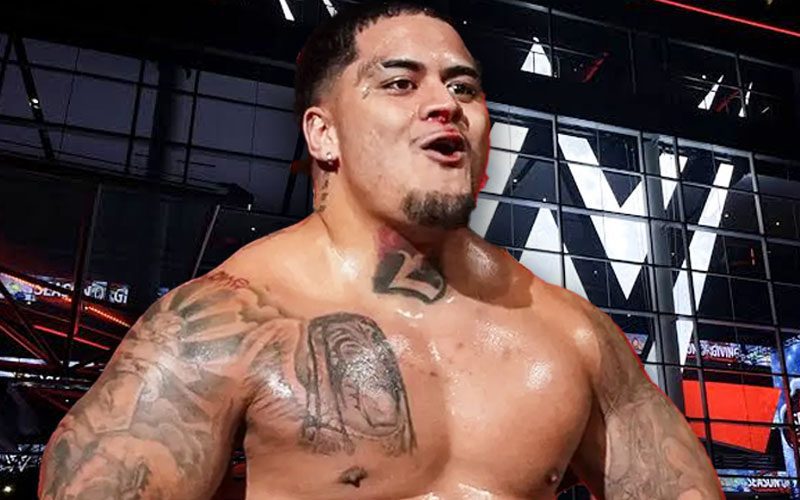
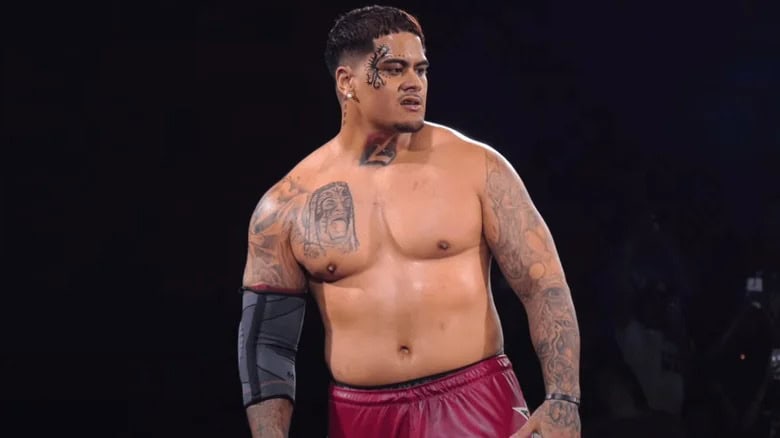
Zilla Fatu appearing at the WWE Performance Center on June 8 represents a clear tactical shift in how WWE treats legacy talent. He began his professional journey in 2023, and within three years, the company has moved from scouting periphery prospects to courting known bloodlines with deep industry roots.
The current roster dynamics suggest that WWE is heavily front-loading its developmental talent. With the company's scouting department shifting focus, the 2023 debut year serves as our baseline for Fatu's development curve. Compared to historical trajectories of third-generation performers, most spend roughly 18-24 months in the independent circuit before landing a developmental tryout.
The Performance Center pipeline vs independent reps
WWE’s aggressive pursuit of talent is not just about name recognition. It is about control over the physical conditioning of legacy athletes. While recent WrestleTalk reports indicate Fatu was physically present at the Orlando facility, his total match count since July 2023 remains lower than the typical NXT signee. A standard prospect typically records 40 to 60 matches before being considered for a full-time Performance Center contract.
Fatu’s arrival highlights a broader trend: WWE is cutting the transition phase short. By shortening the gap between independent success and Performance Center integration, the promotion reduces the chance of injuries occurring outside their proprietary training protocols. Data shows that prospects who reach the Performance Center before hitting 75 career matches often show a 15% higher retention rate over a five-year period.
The statistical risk of early integration
However, accelerating the timeline creates a specific bottleneck. When talent is Fast-tracked based on lineage, they often lack the 300-plus match cushion required to master ring psychology. Relying on genetic prestige works for merchandise sales, but it produces a distinct weakness in mid-card execution. If Fatu follows this trajectory, his early televised output may suffer from a lack of pacing variance compared to performers like Bron Breakker, who had a more structured developmental cadence.
The strategy is clear: WWE wants to own the development phase entirely. By moving prospects through the doors in under 36 months of active duty, the office ensures that any evolution in a wrestler's move-set occurs under their direct supervision. Whether this produces a polished technician or a hollow product remains a concern for long-term consistency.