The Breakup at Stamford
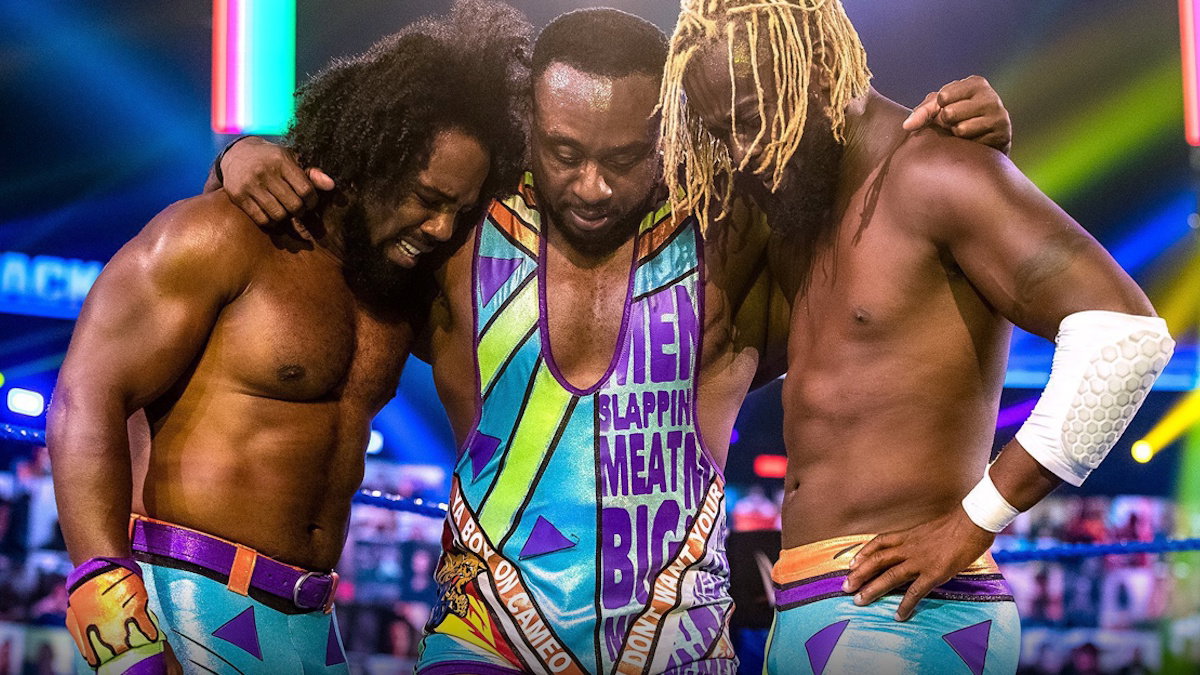
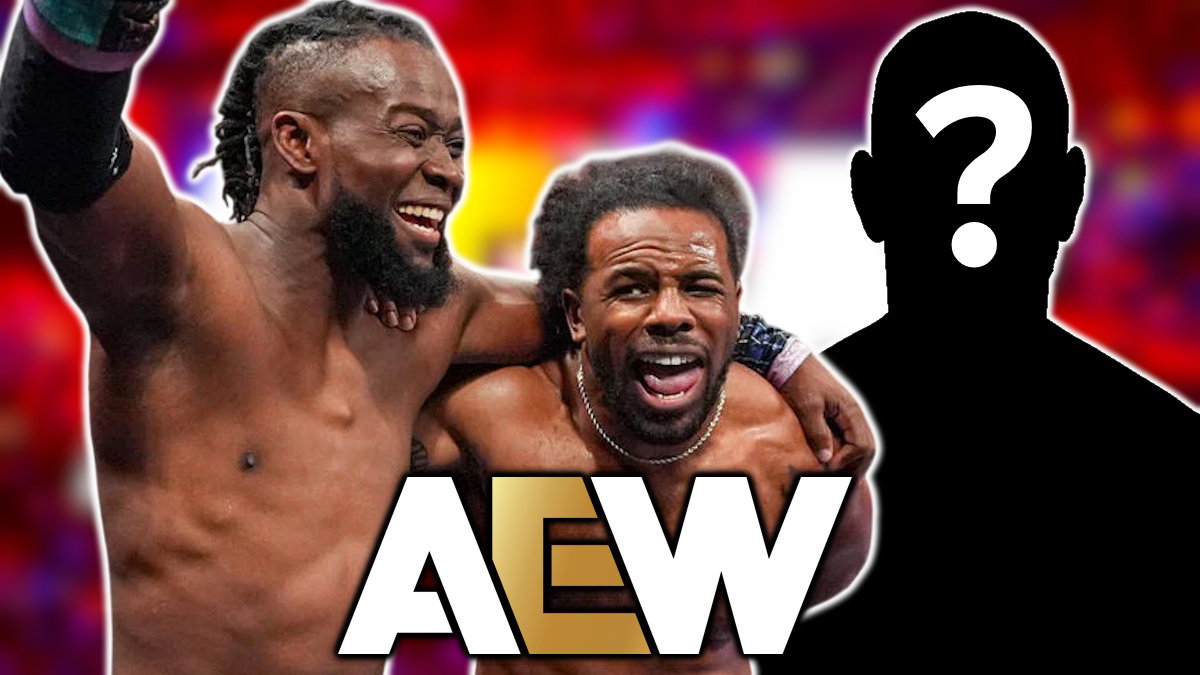
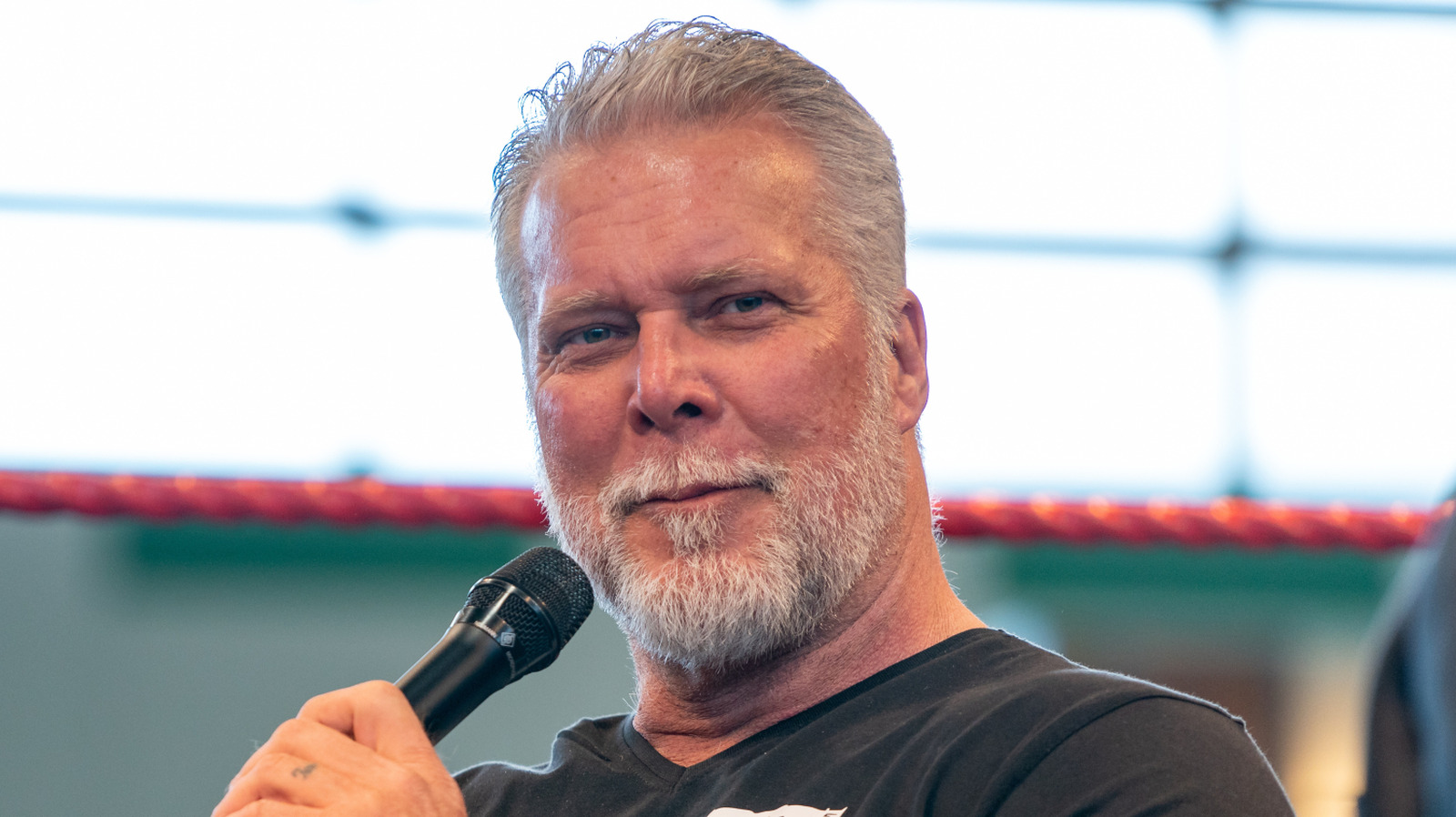
The wrestling world shifted on its axis this morning. Kofi Kingston and Xavier Woods are officially no longer with WWE. After more than a decade of cereal boxes, trombones, and more tag team gold than any human can reasonably carry, the most consistent act in modern wrestling history has walked out the door. The catalyst was a contract negotiation that went south fast when WWE management attempted to slash their downside guarantees. According to Kevin Nash, who broke down the situation on his Kliq This podcast, the duo made the correct call by refusing the pay cut. Nash knows better than anyone that once the office starts looking at you as a cost-cutting measure, your creative value has already bottomed out in their eyes.
This isn't a case of two veterans being disgruntled over a single booking decision. This is a systemic failure of the WWE internal structure to recognize the worth of its tenured stars. Kingston and Woods weren't just wrestlers; they were a merchandise machine that functioned as a reliable safety net for any three-hour block of television. Losing them over a financial dispute shows a glaring lack of foresight from the TKO era executives. As Wrestling Inc reported, Nash believes this exit should be the spark for something much larger: a union. The timing of this departure, just ten days before AEW Double or Nothing in Las Vegas, creates the kind of volatility the industry hasn't seen since the Monday Night Wars.
The Unionization Shadow
The conversation around the New Day's exit has quickly pivoted from match quality to labor rights. Andrew Yang has been vocal about this for years, and he recently doubled down on the idea that WWE performers should be protected by SAG-AFTRA. The argument is simple: these athletes are essentially actors performing high-risk stunts without the safety net afforded to a C-list guest star on a network sitcom. F4WOnline noted that Yang sees the current model as antiquated and exploitative. If Kofi and Woods use their new-found freedom to lobby for better conditions, their legacy won't just be about the 11-time tag titles; it will be about changing the fundamental power dynamic of the locker room.
Kevin Nash’s support for this movement is a massive endorsement. Nash was one of the first guys to figure out how to play the system for guaranteed money in the nineties. If a guy who made millions on the back of the old system is saying it’s time for a union, the younger roster members are going to listen. The reality is that the New Day didn't need the WWE paycheck as much as WWE needed their stability. By walking away from a lowball offer, they’ve set a new floor for what top-tier talent should accept. It’s a risky play, but it’s the first time in years that WWE has felt like they might lose control of the narrative regarding talent relations.
Why AEW is the Destination
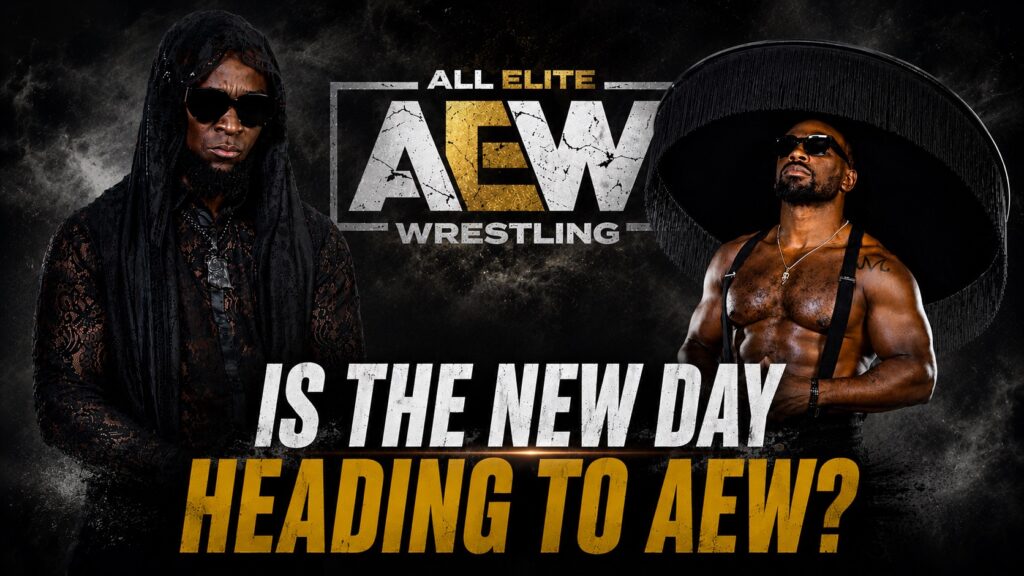
Let’s talk about the ring. Tony Khan has a history of opening the checkbook for established stars who can still go, and there is nobody on the market with a higher ceiling than Kingston and Woods. The tag team division in AEW has been crying out for a foundational act to work with the younger talent. Imagine the chemistry between Woods and a team like the Young Bucks. We are talking about 20-minute sprints filled with high-level psychology and innovative double-team maneuvers. Think about a rolling elbow from Woods into a Trouble in Paradise from Kofi for a near-fall at 14 minutes—that is the kind of sequence that justifies a pay-per-view price tag.
Double or Nothing on May 24 is the perfect stage. It’s in Las Vegas, a city built on spectacle and identity. While the New Day name is almost certainly locked in a WWE vault, the men behind the characters are ready for a reboot. In lucha libre culture, the mask is the identity, as discussed in BodySlam.net's analysis of masked icons. While Kofi and Xavier don't wear masks, their "New Day" personas functioned similarly—a colorful, protected shell. Stripping that away allows them to return to the gritty, athletic style that made Kofi a standout in 2008 and Xavier a breakout in TNA before his WWE run. They don't need the unicorn horns to be the best tag team on the planet.
The Risk of Stagnation
There is a flip side to this. No move is without its flaws. The biggest concern for any WWE veteran moving to AEW is the "ex-WWE guy" label. We have seen it happen before: a star arrives with a massive pop, has three great matches, and then gets lost in the shuffle of a bloated roster. If Tony Khan doesn't have a concrete plan to keep them at the top of the card, they could end up in the same position they were in six months ago—working meaningless matches on the mid-card. WWE had already started this trend by the end of 2025, keeping them in a repetitive loop of matches against the Viking Raiders that felt like a Groundhog Day scenario for the fans.
There is also the question of Big E. While he isn't mentioned in the current exit reports due to his ongoing injury status, the New Day has always been a trio in the hearts of the fans. Seeing just the two of them in a different ring might feel incomplete. It could potentially dilute the impact of their arrival if it feels like a fragmented version of the original act. They will have to work twice as hard to establish a new identity that doesn't rely on the nostalgia of the last decade. If they just show up and do the same spots under different names, the interest will evaporate by the time the World Cup kicks off in June.
Probability Assessment
The odds of this deal being done are incredibly high. Tony Khan is a student of the game and knows that losing the New Day was a massive unforced error by WWE. He likely had his legal team checking their non-compete clauses the second the news broke. Given that they weren't released but rather saw their contracts expire after refusing the pay cut, the standard 90-day wait might not even apply. We could see them walking down the ramp in Vegas in just ten days. The probability of an AEW debut at Double or Nothing is a solid 85% based on the current movement of both parties.
Expect them to target the current champions immediately. They need to make a statement that they aren't here for a retirement tour. They are here because they were told they weren't worth the money, and they have a point to prove. The expected timeline for their first match would be the fallout episode of Dynamite following the Vegas pay-per-view. If they don't show up by then, the only other viable option would be a massive run in New Japan Pro Wrestling to rebuild their "workhorse" reputations before returning to the US market in 2027.
The Impact of the Move
If this deal goes through, it’s a win for the talent and a warning shot to the front office. It proves that there is life after the machine. For years, wrestlers stayed in WWE and took whatever was offered because they feared the unknown. The New Day are proving that their brand is portable. If they succeed in AEW, expect more stars to look at their downside guarantees with a more critical eye. This isn't just about a tag team match; it's about the labor market in professional wrestling finally maturing.
The creative direction will likely be more grounded. Expect fewer comedy skits and more focus on their ability to carry a 25-minute main event. They have the charisma to talk people into the building, but now they have the freedom to wrestle the matches they want. This could be the most significant jump since the early days of AEW, purely because of the sheer volume of history these two are carrying with them. The countdown to Double or Nothing is on, and the New Day are holding all the cards.