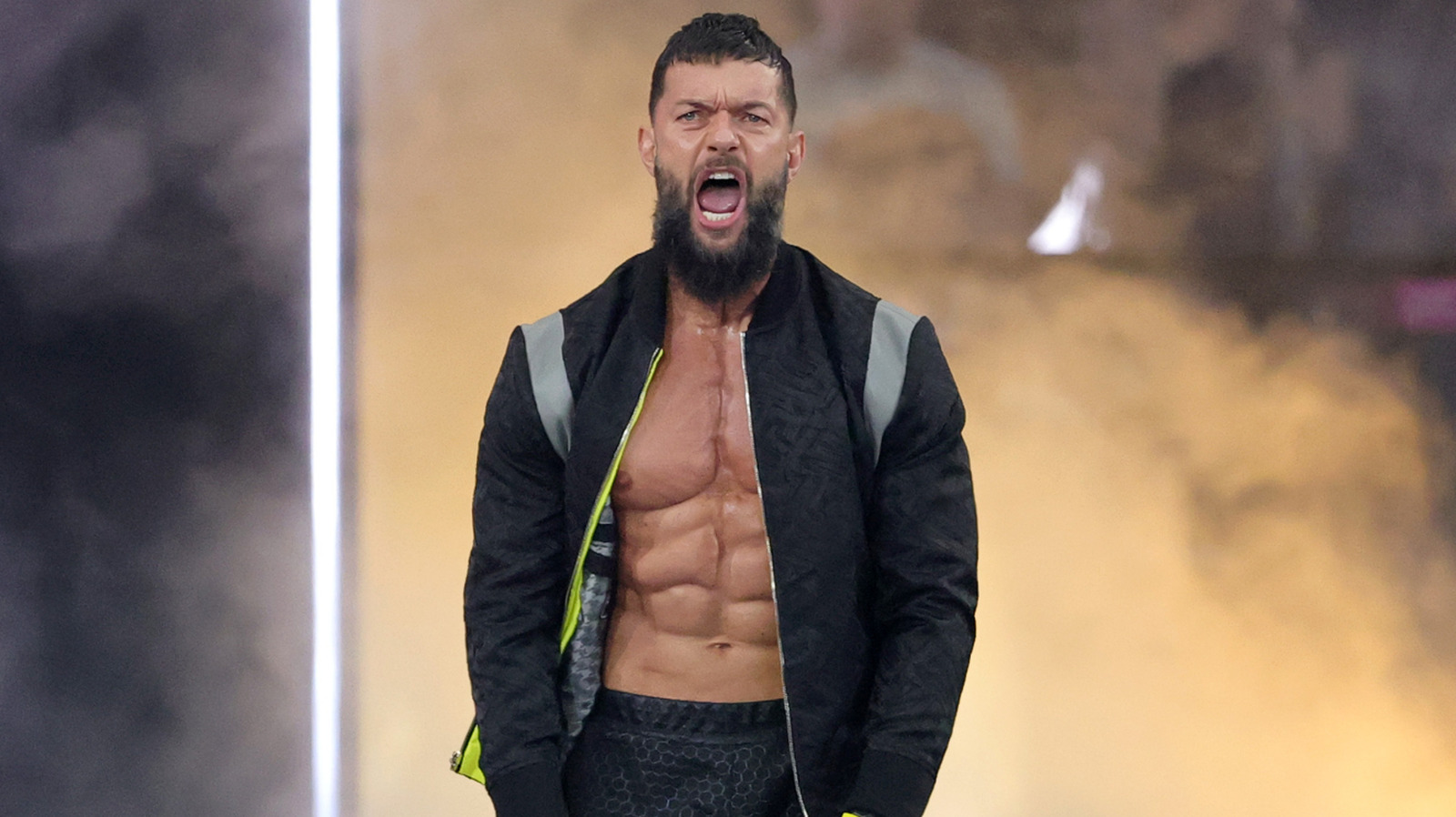
The Success Behind the Stalled Momentum
Finn Balor has spent the last decade as the ultimate insurance policy for WWE. Whether he is carrying the NXT brand or anchoring a faction like the Judgment Day, the Irishman has remained a constant in a company that thrives on volatility. However, fans have spent years mourning what could have been after his Universal Championship win in 2016 ended in immediate injury.
The narrative surrounding that night at SummerSlam usually involves the word tragedy. Balor vacated the title less than 24 hours after pinning Seth Rollins, leading to a multi-year slide away from the undisputed top spot. Balor, however, is pushing back against the idea that his peak was a failure.
“WWE Universal Title win is a success story, not a tragedy.”
As WrestlingNews.co reported, Balor views the accomplishment through a different lens. To him, becoming the inaugural champion in the company’s history is an indelible mark of status. He isn't interested in the revisionist history that suggests his shoulder injury ruined his career trajectory.
There is a harsh reality here that Balor is perhaps too professional to state. While he sees it as a success, the injury created a template for his Main Roster run where he became the guy who could have a great match with anyone but rarely held the gold. He became a victim of his own reliability, serving as the workhorse who didn't need a title to stay over.
The Accidental Signature Move
Every wrestler spends hours in the Performance Center trying to innovate the next viral spot. For Balor, one of his most recognizable sequences was never supposed to be a staple of his arsenal. The dropkick reversal into a sunset flip has become a signature beat in his matches, yet its origin was purely functional.
“I never expected the dropkick reversal to sunset flip to get over. I was just looking for something to fill a spot.”
According to WrestleTalk, Balor admits that the move was a placeholder. It was a way to transition between sequences rather than a planned highlight. In a sport that is often over-choreographed, it is refreshing to hear that some of the best moments are just veterans trying to bridge the gap between two big spots.
This reveals a lot about Balor's approach to the ring. He is a minimalist who understands that the audience dictates what works. If a transition move gets a pop, it stays. If a high-flying risk gets silence, it goes. This pragmatic style is exactly why he has been able to wrestle at a high level well into his 40s.
Overcoming the Promo Wall
For years, the knock on Balor was his microphone work. He was the quintessential workrate guy who struggled to find a voice that matched his intensity in the ring. He has recently opened up about these struggles and the mentor who helped him navigate the corporate scripted environment of Monday Night Raw.
Balor credited Paul Heyman with providing the perspective he needed to stop overthinking his segments. Heyman has a reputation for stripping away the artifice and finding the emotional core of a character. For Balor, that meant moving away from the "happy to be here" babyface persona that plagued his mid-career run.
The shift is visible in his current work with the Judgment Day. He is no longer trying to be the most likable person on the screen. He is lean, mean, and dismissive. The advice from Heyman allowed him to lean into his natural Irish grit rather than the polished WWE superstar mold that never quite fit his personality.
The McGregor Pitch and the Weight of the Name
Before he was Finn Balor, he was Prince Devitt. When he arrived in WWE, the rebranding machine began churning. It is almost hard to imagine now, but the office had some truly questionable ideas for what to call the man who would eventually lead the Bullet Club to global fame.
“The original names WWE pitched for Finn Balor included McGregor.”
As WrestlingNews.co detailed, the attempt to capitalize on Conor McGregor’s meteoric rise in the UFC was a serious consideration. It would have been a disaster. Naming him McGregor would have immediately branded him as a second-rate imitation of a cage fighter, stripping away his unique identity as a technician.
The choice of Finn Balor, drawing from Irish folklore, was a rare win for the WWE creative department. It gave him a sense of mythic weight that the McGregor name never could. It allowed for the development of the Demon persona, which, for all its booking inconsistencies, remains one of the most visual presentations in modern wrestling history.
The Discipline of a Machine
Balor’s physique is often a talking point among fans and peers. To maintain that level of conditioning, his diet is notoriously strict. However, even the man with the most famous abs in the business has a breaking point. He revealed that he schedules a cheat meal at least every two weeks, but for a specific psychological reason.
He doesn't just eat the cheat meal for the calories. He eats it because he needs to feel physically terrible afterward. That feeling of sluggishness and regret acts as a reset button for his discipline. It is a form of self-correction that keeps him on track for the other 13 days of his cycle.
This level of obsession is what separates the top-tier talent from the rest of the roster. Balor isn't just a guy who goes to the gym; he is a scientist of his own body. He is currently 44 years old and looks better than most of the recruits coming out of the collegiate system. It is a grueling lifestyle that demands a total lack of balance.
The Critical Reality
Despite all these reflections on success and discipline, there is a shadow over Balor's legacy. He is often used as the person who loses the big match to make the next guy. He lost to Roman Reigns. He lost to Seth Rollins. He lost to Damian Priest in subtle ways during their faction tension.
He has become the ultimate gatekeeper. If you can have a 20-minute classic with Finn Balor, you belong in the main event. But while Balor provides that service for the company, he rarely reaps the rewards of a sustained title run himself. He hasn't held a world title since that fateful 2016 win, a stat that feels like a massive oversight given his talent.
His current role in the Judgment Day is the most interesting he has been in years, but it also feels like a ceiling. He is the veteran presence in a group where others are being groomed for the future. Whether Balor truly believes his career is a success story or is simply being a good soldier, the fans know he was capable of being much more than a 24-hour champion.