The Hogan Netflix doc is a masterclass in corporate sanitization
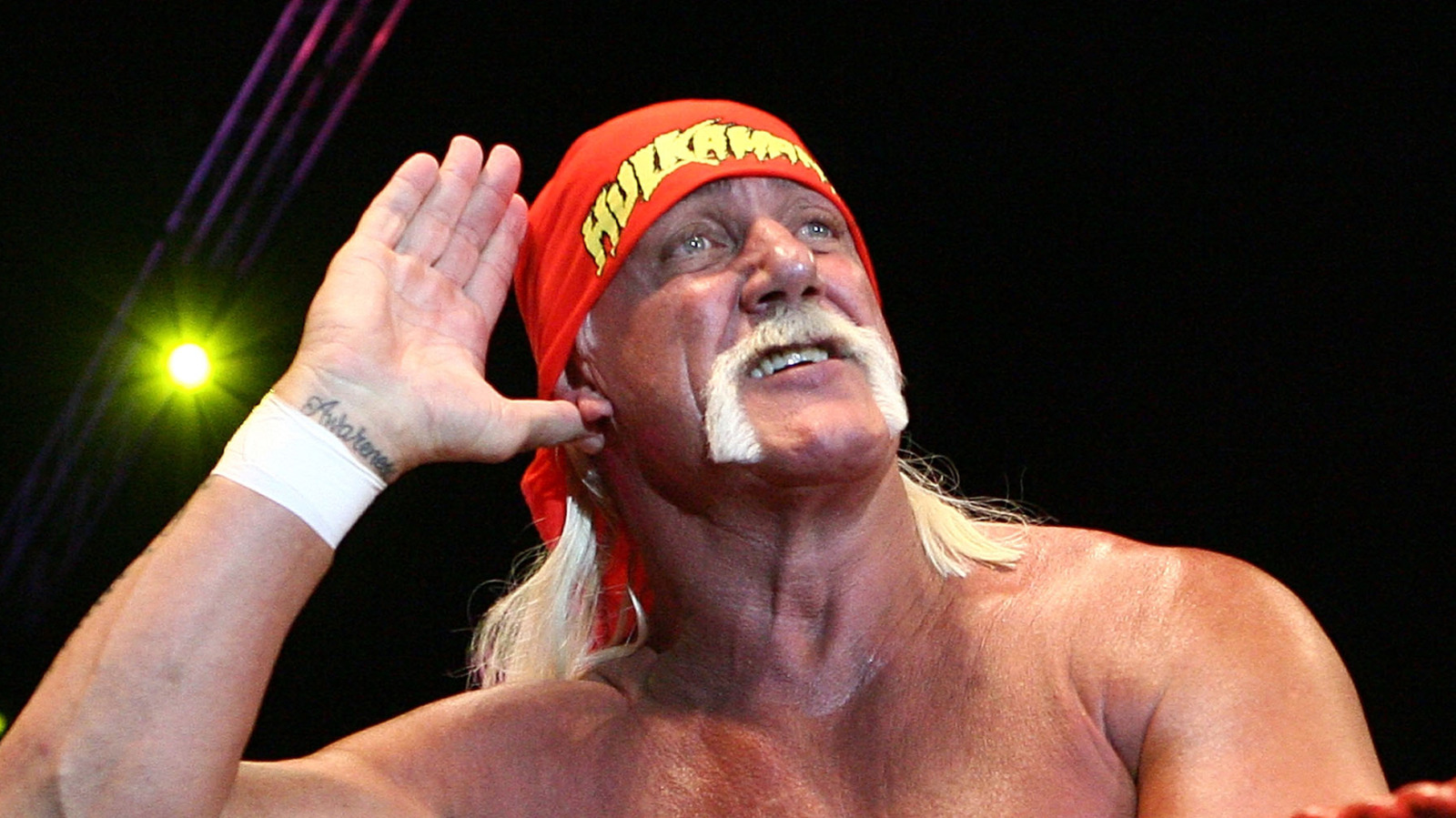
The Myth of the Immortal Meets the Reality of the Edit
Two weeks after the dust settled on WrestleMania 41 in Las Vegas, the wrestling world is still grappling with the fallout of the Hulk Hogan Netflix docuseries. What was promised as a definitive look at the most influential figure in sports entertainment history has instead become a lightning rod for criticism from the people who were actually there. It turns out that when you try to compress the chaotic, ego-driven, and often ugly life of Terry Bollea into a polished streaming narrative, you end up with more holes than a piece of cheap ring canvas.
The reports coming out of the production are starting to paint a picture of a project that was less about history and more about brand management. According to F4WOnline, there is currently no talk of using additional documentary footage for an extended cut or deleted scenes. This isn't just a matter of runtime. It is a deliberate choice to keep the most inconvenient truths of the Hogan saga locked in a vault while the version on our screens serves as a high-budget commercial for a legacy that hasn't quite earned its recent scrubbing.
Hogan has always been the architect of his own mythology, but this time he had the full weight of the Netflix and WWE machines behind the shovel. The result is a series that feels oddly disconnected from the gritty reality of the 1980s expansion and the toxic political environment of WCW in the late 90s. If you were looking for the raw, unvarnished truth about the man who made wrestling a global phenomenon, you might be better off looking at the cutting room floor where the real story apparently resides.
The Nash Files and the nWo Revisionism
Kevin Nash is not a man known for biting his tongue, and his reaction to the final cut of the Hogan doc has been characteristically blunt. On his podcast, Nash has been peeling back the layers of what the producers decided was too "real" for the Netflix audience. Nash revealed that significant portions of his interviews—specifically those detailing the internal friction of the New World Order—were left out in favor of more standard tropes about the nWo changing the business. As Ringside News noted, Nash isn't backing off his criticism of the series, pointing to exactly what didn't make the final edit.
The nWo era was arguably the most complex period of Hogan's career, a time when the lines between his on-screen persona and his behind-the-scenes power plays became dangerously blurred. Nash reportedly spoke at length about the specific contract stipulations that allowed Hogan to maintain creative control, a mechanism that arguably helped kill WCW by the year 2001. By removing these technical details, the documentary reduces a complicated corporate takeover into a simple story of three guys in black and white shirts. It robs the audience of understanding how the business actually functions when egos of that magnitude collide.
Nash's frustration stems from a desire for historical accuracy over sentimental fluff. He knows that the nWo wasn't just about cool entrance music and spray-painting belts. It was a period of intense professional jealousy and strategic maneuvers that changed the pay structure for every wrestler who followed. When the documentary ignores the "Big Sexy" perspective on these mechanics, it signals that the producers were more interested in the legend of the Hulkster than the reality of the business environment he dominated.
The Erasure of Brooke Hogan
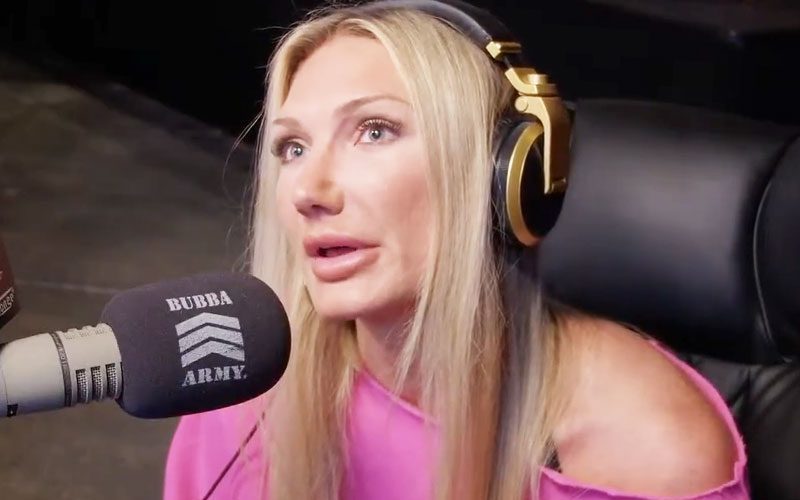
Perhaps the most glaring omission in the entire docuseries is the near-total absence of Brooke Hogan. For a significant portion of the 2000s, Brooke was the public face of the Hogan family brand, co-starring in a reality show that defined the family's transition from wrestling royalty to mainstream celebrities. Yet, in this new narrative, she is treated as a footnote. As Wrestling Inc reported, Brooke has been vocal about what she feels was her erasure from the project.
This isn't just about a daughter feeling left out of a family photo. Brooke was a central figure during some of the most turbulent years of Terry Bollea's life. To tell the story of Hulk Hogan without acknowledging the impact of Hogan Knows Best or the subsequent fallout of the family's public implosion is to ignore the very things that made him a human being to the general public. It suggests a mandate to keep the focus on the ring and the red-and-yellow merchandise, rather than the messy, three-dimensional reality of a father and his children.
The producers likely realized that including Brooke would mean engaging with the darker aspects of the mid-2000s, including the 2015 controversy that nearly ended Hogan's relationship with WWE entirely. Brooke was a primary catalyst in the events leading up to that scandal, and her presence in the documentary would have forced the narrative to confront things that Netflix and WWE clearly preferred to gloss over. It is a strategic silencing that serves the brand but fails the viewer who expected a "docuseries" to actually document a life.
The Technical Cost of Sanitized History
The decision to leave this footage on the shelf is a technical one as much as it is editorial. In the era of peak streaming, documentaries are often judged by their level of access and their willingness to challenge their subjects. By opting for a safe, approved version of Hogan's life, Netflix has missed an opportunity to create something with the depth of a 30 for 30 or a Ken Burns production. Instead, we got a project that feels like it was edited by a committee of lawyers and PR agents worried about the $5 billion deal between WWE and the streaming giant.
The absence of B-roll and extended interviews isn't just about saving space on a server. It's about controlling the narrative arc of a man who has spent forty years rewriting his own history. When Hogan tells a story about wrestling 400 days in a year or being the first choice for George Foreman's grill, the documentary team has a responsibility to provide the counter-evidence. By cutting the voices of people like Nash or family members like Brooke who could provide that balance, the film becomes an enabler of the very exaggerations it should be examining.
There is a technical debt that comes with this kind of storytelling. Future historians will look at this docuseries not as a source of truth, but as an artifact of a specific moment in 2026 when corporate interests required a clean, marketable version of Hulk Hogan. The real footage—the hours of Nash talking shop, the Brooke interviews, the unvarnished stories of the nWo's collapse—remains a ghost in the machine. It is a reminder that in the world of professional wrestling, the most interesting things always happen when the cameras aren't supposed to be rolling.
Why We Won't See the Director's Cut
The report that there is "no talk" of releasing more footage is the final nail in the coffin for those hoping for a more honest appraisal. WWE is currently in a phase of aggressive expansion, focusing on global events like the upcoming FIFA World Cup in 2026 and their own international PLE schedule. They need Hogan as a functional, beloved ambassador, not as a controversial figure whose past mistakes are being litigated in an eight-part series. The goal was to put the 2015 era behind them once and for all, and a gritty, honest documentary would have done the exact opposite.
Netflix, for its part, needs content that appeals to the broadest possible audience without alienating the partners they just spent billions to acquire. A documentary that dives deep into the racial slurs, the lawsuits, and the familial betrayals doesn't fit the "feel-good" nostalgia that drives high completion rates. They want the Hogan who slammed Andre the Giant, not the Terry Bollea who struggled to keep his family together under the white-hot glare of the paparazzi. The edit we received is the only edit that was ever going to be allowed to exist in this corporate climate.
The irony is that by trying to protect the Hogan brand, the producers have actually made him less interesting. The version of Hogan in the doc is a two-dimensional superhero who occasionally had some bad luck. The version in the cut footage—the one Nash and Brooke are hinting at—is a flawed, brilliant, manipulative, and deeply human figure who changed an entire industry through sheer force of will. That is the story worth telling, but it's clearly not the one that fits on a Netflix thumbnail in 2026.
The Final Verdict on a Missed Opportunity
As we move toward WWE Backlash in just four days, the conversation around the Hogan doc will likely fade, replaced by the immediate drama of the current roster. But for those who care about the history of this business, the project will remain a cautionary tale. It proves that you can have all the budget and access in the world, but if you don't have the courage to tell the truth, you're just making a very expensive home movie. Hogan deserved a better look at his life, and the audience deserved a more honest account of his impact.
The erasure of Brooke and the silencing of Nash's technical insights are not just minor editorial choices; they are fundamental failures of the documentary form. We are left with a series that feels like it was produced in a vacuum, scrubbed clean of the grit and grime that made the 1980s and 90s wrestling scenes so compelling. It is a sanitized, safe, and ultimately hollow tribute to a man whose real life was anything but. If this is the future of wrestling documentaries on streaming platforms, we are in for a very boring decade of history.
In the end, Hulk Hogan remains as he always was: a master of the mask. The Netflix doc is just the latest version of that mask, painted with the highest resolution possible but still hiding the face underneath. The fact that the most compelling parts of the story are currently sitting in a digital trash bin is the most "pro wrestling" outcome imaginable. Hogan gets the win, the corporate partners get their content, and the truth gets pinned in the middle of the ring for a count that never quite reaches three.
Drafting Greatness: Buy the Belt by Conrad Thompson
A deep dive into wrestling history from the legendary podcaster.
More Coverage

Drew McIntyre sidelined following brutal SmackDown encounter
2 hours agoWWE's New York gamble is a calculated risk ahead of WrestleMania 42
3 hours ago
WWE's Saturday Night's Main Event math doesn't add up
3 hours agoWWE's return to New York changes the math on stadium attendance
3 hours ago
Top 10: Top Moments from MSG
3 hours ago
SmackDown is drifting into mid-summer malaise
4 hours agoMore Analysis
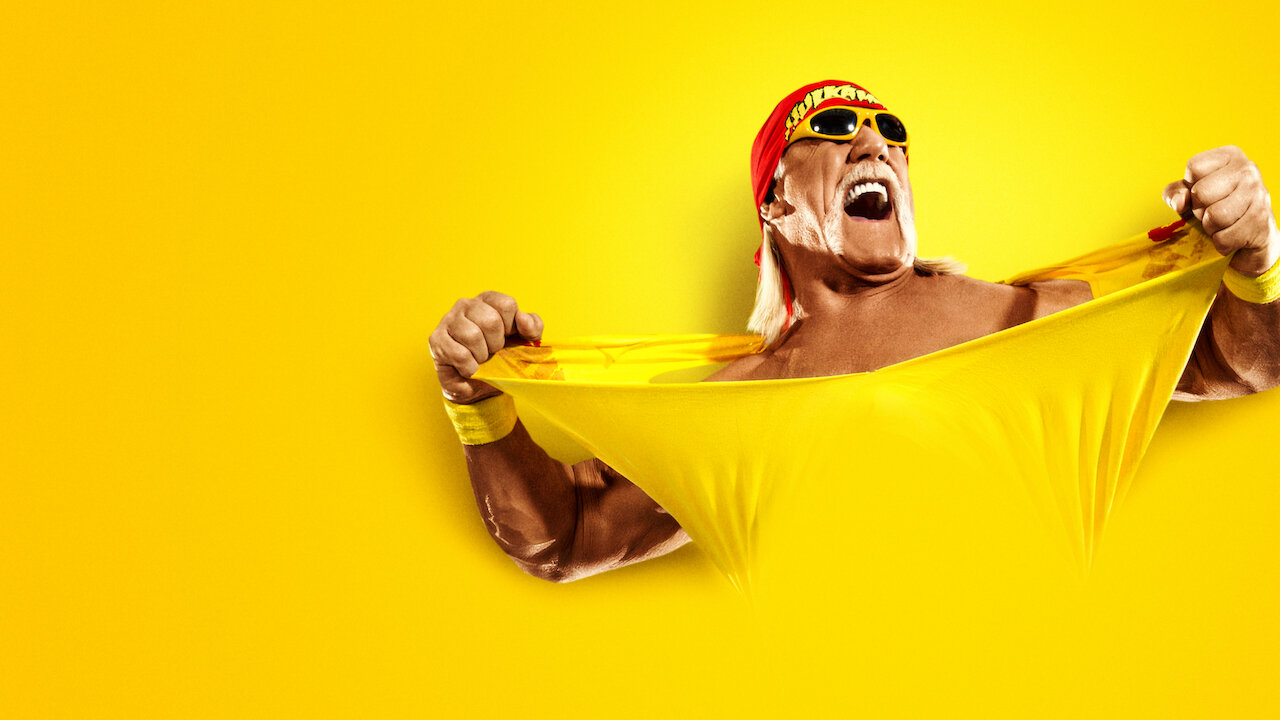
Netflix's Hulk Hogan doc proves that Terry Bollea still holds the pencil
2 months, 2 weeks ago
Hulk Hogan legacy controversy grows as Netflix documentary moves forward
3 months ago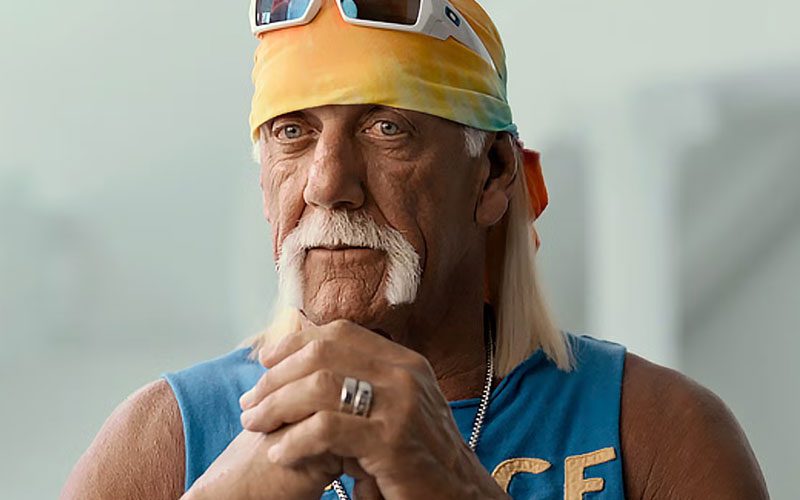
Netflix's Hulk Hogan documentary is a total work
2 months, 2 weeks ago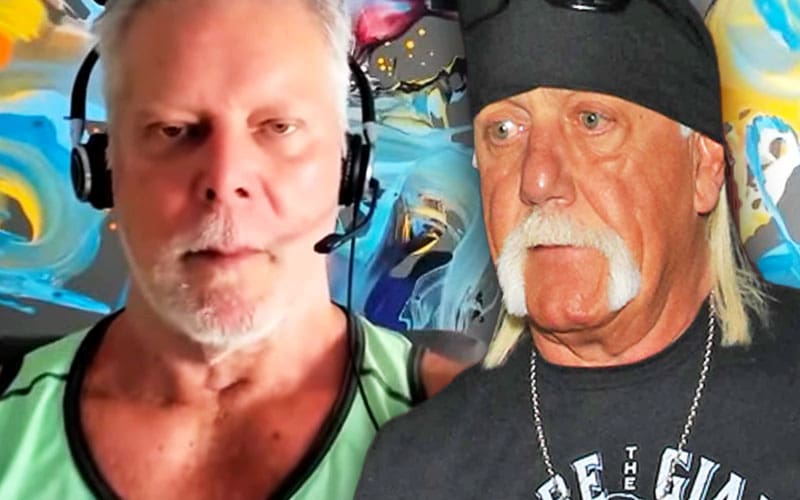
Kevin Nash got cut from the Hogan Netflix doc and the IWC is losing its mind
2 months, 2 weeks ago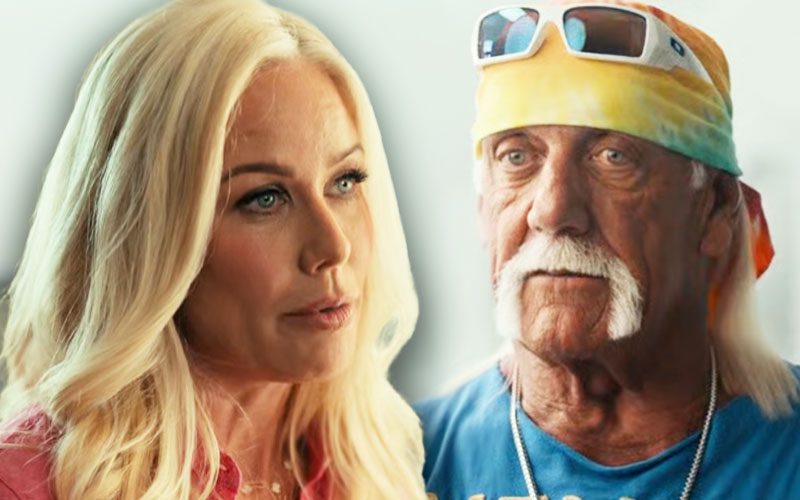
Netflix's Hulk Hogan documentary won't fix his complicated legacy
2 months, 3 weeks ago