Public rifts mark the post-mortem era of Hulk Hogan’s career
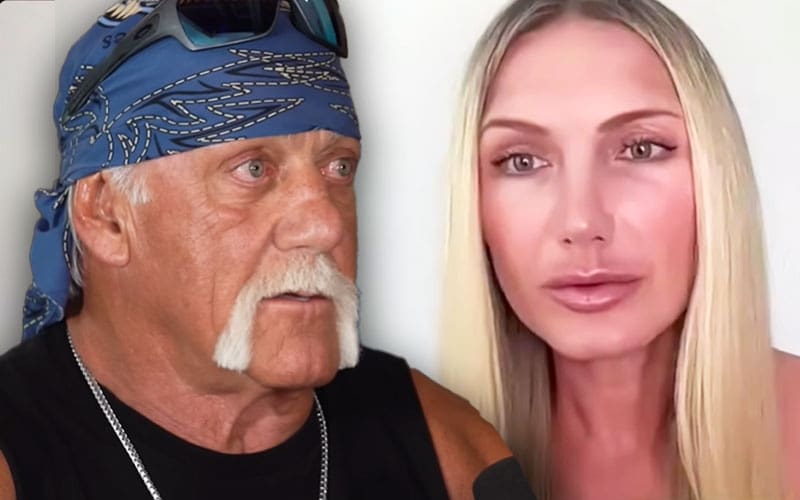
The aura of Hulk Hogan continues to shift in the public consciousness as details emerge regarding his daughter Brooke Hogan’s absence from upcoming media projects. WWE chose to move forward with a new monument for the professional wrestling icon, as reported by PWInsider, but the family dynamic remains fractured.
Brooke Hogan has explicitly confirmed she opted out of the upcoming Netflix documentary project centered on her father’s life. This decision highlights a growing divide within the Hogan family regarding how the late wrestler’s history is curated for future generations. For a promotion like WWE, the statue represents a sanitized historical narrative, while the private reality involves stalled conversations and missed opportunities for reconciliation.
The cost of silence and legal dead ends
Beyond the lack of participation in the documentary, Brooke Hogan has aired grievances regarding the handling of her father’s estate. She expressed regret over early decisions involving his will, admitting that she now finds herself locked out of significant decision-making processes. As she stated to WrestlingNews.co, the inability to get answers has created a permanent barrier in her ability to influence how her father’s legacy is presented to the public.
This is not the first time a wrestling legend’s family has publicly clashed with the corporate handling of a deceased star’s life, though the public nature of these statements is distinct. It reflects a shift in how heirs manage the intellectual property of their relatives. When WWE chooses to debut a statue while a family member is calling out the lack of transparency, it creates an uncomfortable contrast for shareholders and fans alike.
Strategic implications for the WWE brand
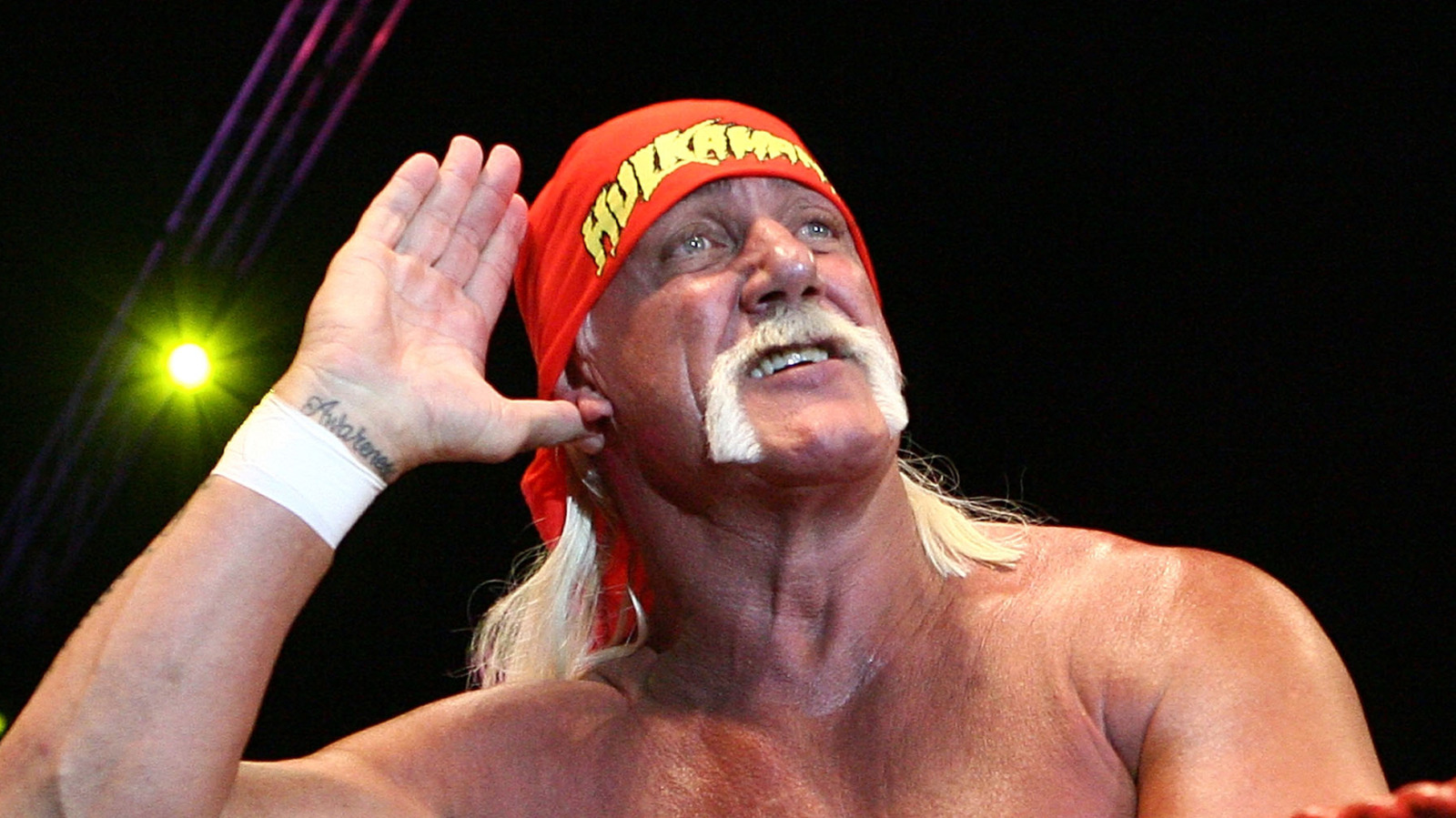
WWE is currently in its most profitable window, with WrestleMania 41 looming this weekend. The organization thrives on myth-making, and the Hulk Hogan statue is a physical manifestation of that strategy. However, the comments from Brooke Hogan serve as a recurring reminder that for every bronze monument, there is a complex and often messy reality behind the scenes.
The documentary, currently in development, likely faces a narrative challenge. Without input from a primary family member, the project risks feeling like a curated marketing piece rather than a rounded historical account. Fans and critics monitor these developments because they inform the broader culture of how wrestling companies choose to frame their history during sensitive transitions.
The discrepancy between the corporate statue reveal and the personal regret voiced by Brooke Hogan is jarring. It makes the promotion look tone-deaf at a moment when they should be celebrating their heritage. By ignoring the messy, human reality of their biggest stars, they leave themselves open to public critiques that distract from the product slated for the ring at Allegiant Stadium.
Historical context and fan reception
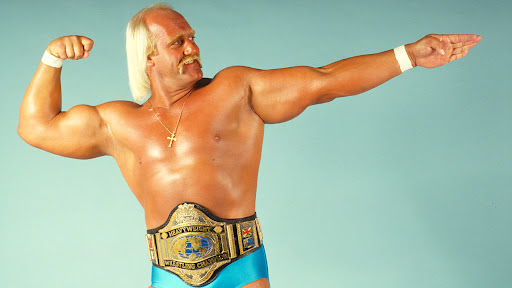
Historically, wrestling fan sentiment regarding Hogan is often bifurcated. You have one segment of the fan base that remembers the 1980s peak, and another more critical segment that focuses on controversies that emerged late in his career. The current tension within the family provides fuel for the latter group.
By excluding key family members from the storytelling process, Netflix and the estate are narrowing the perspective of the documentary. This follows a pattern where companies prioritize brand protection over exhaustive truth-seeking. If the documentary serves only to bolster the WWE official canon, it will fail to address the complexities that fans already debate on social media forums.
The statue itself will stand regardless of these public grievances, serving as a landmark for WrestleMania tourists this weekend. WWE will proceed with its shows on April 19 and 20, 2026, as planned. Meanwhile, the personal conflict surrounding the estate serves as a reminder that icons often leave behind more than just wrestling moves and championship belts; they leave behind tangled legal and emotional threads that no monument can fix.
Ultimately, WWE's strategy is to maintain the legend, but they cannot control the voice of those left behind. The decision by Brooke Hogan to skip the documentary project removes any chance of an intimate, behind-the-curtain perspective on the man behind the persona. This leaves the project as a surface-level tribute, a decision that will likely be scrutinized as soon as the film hits streaming platforms.