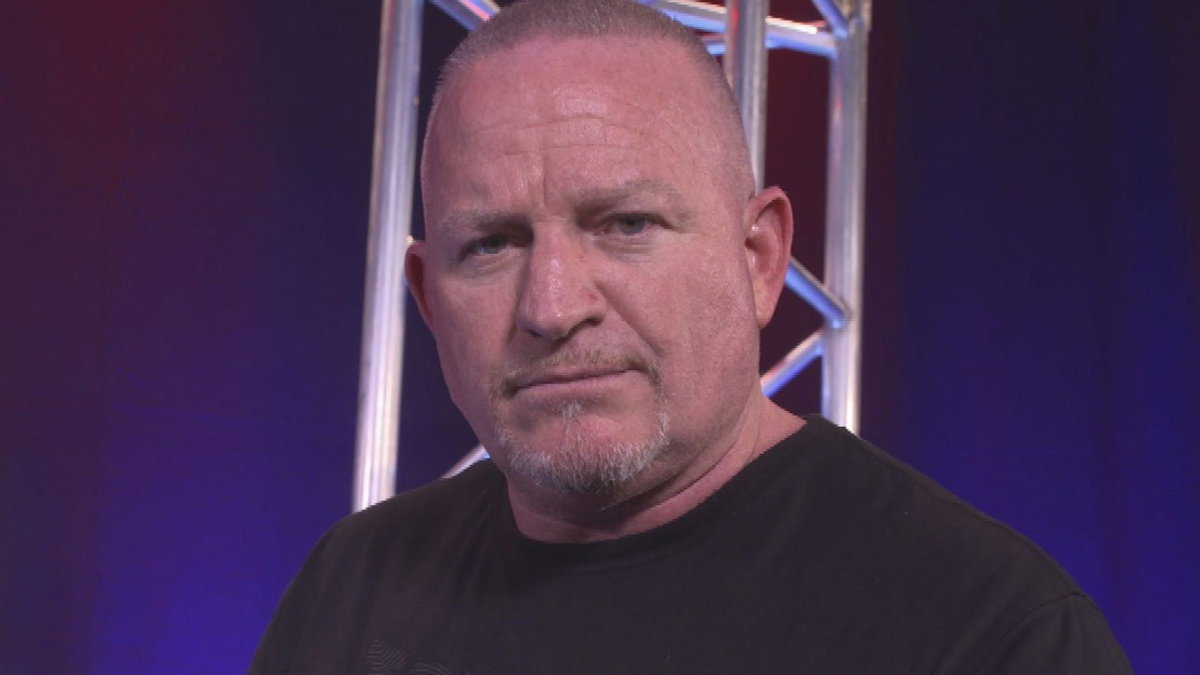
TAKA Michinoku’s concussion choice is a dangerous relic of a bygone era
The recklessness of the warrior code
When news broke that TAKA Michinoku was involved in a car accident in Japan, the industry response followed a grimly predictable script. He reportedly suffered a concussion during the crash, a brain injury that carries non-negotiable risks. Yet, within 24 hours, he was back inside the squared circle.
This is not toughness. This is a failure of internal protocol. We are living in a year where player safety in contact sports has reached its most sophisticated peak, yet the wrestling world still struggles to police its most stubborn impulses. Watching a veteran perform after a neurological trauma isn’t a sign of commitment—it is a glaring indictment of the culture that allows it to happen.
The evolution gap in professional wrestling
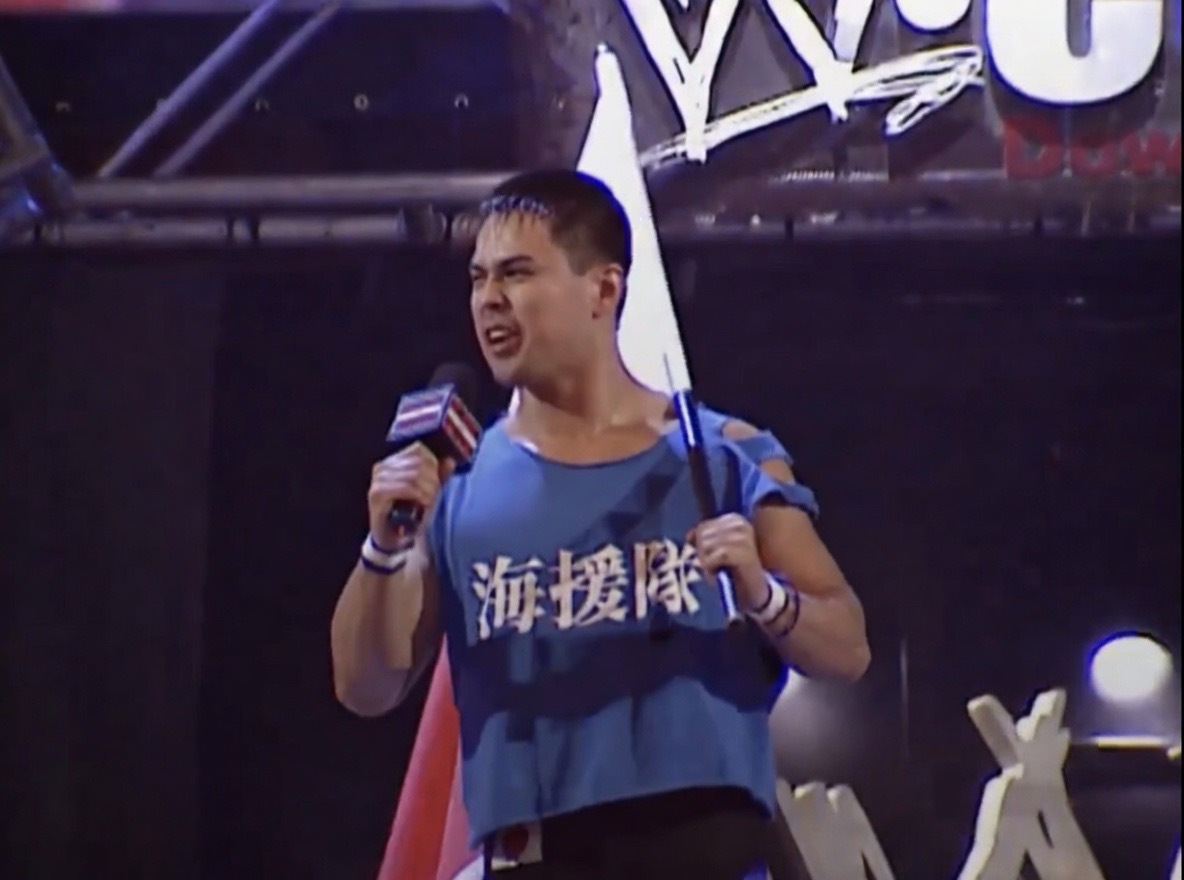
In 1998, a concussion might have been shrugged off as part of the job. Michinoku, having cemented his status as a technical pioneer in the Light Heavyweight division, arguably comes from that school of thought. But the physics of the ring haven’t changed, even if the medical understanding has.
A performer suffering from post-concussion symptoms is a liability to themselves and their opponent. A simple missed step or a delayed reaction during an Irish whip could escalate into a long-term debilitation. According to recent reports on the incident, the decision to proceed after a vehicular impact highlights a lack of oversight that modern promoters must address.
Why the industry must enforce the stop
In sports like football, concussion protocols are rigid; they require neurological clearance that doesn’t leave room for the “I’m fine to go” internal narrative. Wrestling remains an outlier in this regard. When a performer is left to police their own medical status, the result is often the sacrifice of long-term health for the sake of a single card.
We expect better medical standards from major promotions heading into high-profile events like WrestleMania 41. If the product wants to be viewed with the legitimacy of a major league sport, it cannot tolerate athletes working through brain injuries. Talent needs protection from their own competitive nature, and that requires a neutral party—a medical professional with absolute veto power—to step in before the bell rings.
The cultural barrier to safety
The “show must go on” mentality is deeply embedded in the identity of workers who cut their teeth on the road in the 90s. Michinoku’s choice to lace up his boots after a concussion is a reflection of that old-school defiance. However, romanticizing this behavior under the guise of work ethic is intellectual dishonesty.
If we want to see the product thrive without the baggage of preventable tragedies, the narrative needs to shift. A wrestler suffering a medical emergency needs to be sidelined, not celebrated for ignoring their body’s signals. It costs precisely $0 to pull someone from a card, yet the cost of failing to do so is consistently higher than any gate receipt.
The fans have changed as much as the sport. We no longer crave the sight of someone risking permanent brain damage to finish a spot-fest. We want technical excellence coupled with longevity. Until independent and global promotions alike adopt a zero-tolerance policy for concussed workers, incidents like this will continue to expose the fragility of the entire industry’s integrity.
WWE Championship Toy Title Belt
Hold the gold and live out your championship dreams right in your living room!
Frequently Asked Questions
What caused TAKA Michinoku's recent medical concerns?
Why is it considered dangerous for wrestlers to perform with concussions?
How does wrestling protocol differ from other major sports?
What change does the author suggest for wrestling safety?
What is the 'show must go on' mentality in wrestling?
More Coverage
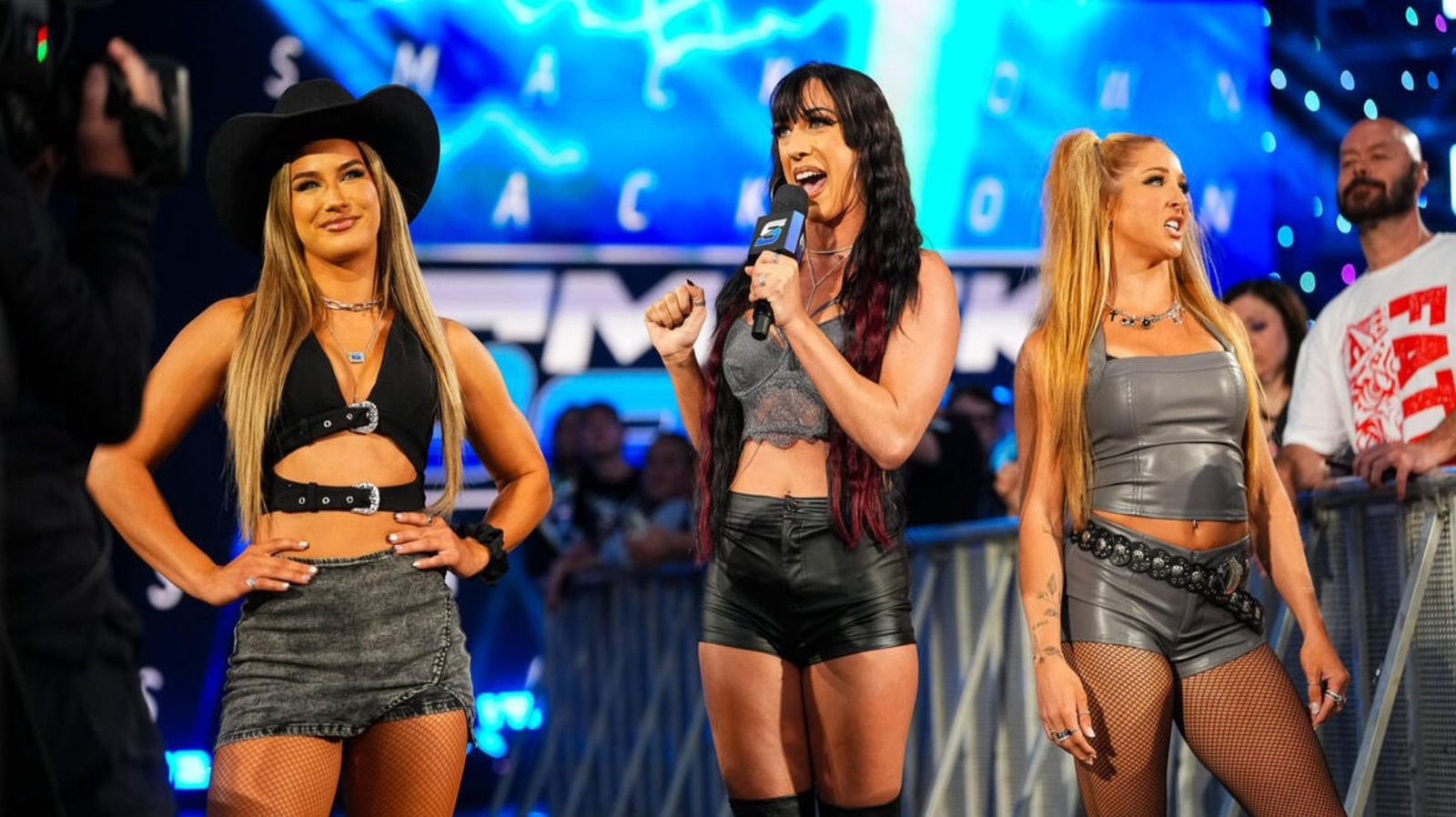
Fatal Influence are testing the durability of WWE's tag team division
23 minutes ago
Sami Zayn’s title reign remains the flashpoint of modern WWE booking
23 minutes ago
Why nostalgia-heavy podcasting is failing the current wrestling product
24 minutes ago
Cody Rhodes and CM Punk are drifting toward a collision course
25 minutes agoSummerSlam's new match has the internet split right down the middle
an hour ago
Nick Aldis is stepping back into the ring for SummerSlam
an hour agoMore Analysis
Marty Jannetty and the cruel reality of wrestling’s past
2 months ago
Taka Michinoku hospitalized after bloody car accident
3 months, 1 week ago
Thekla and the dangerous blur of reality in wrestling
2 months, 1 week ago
Jeff Hardy's TNA gimmick return is a major physical risk
2 months ago
TNA Sacrifice main event stoppage raises Steve Maclin concussion fears
3 months, 3 weeks ago