The Announcement and the Immediate Concern
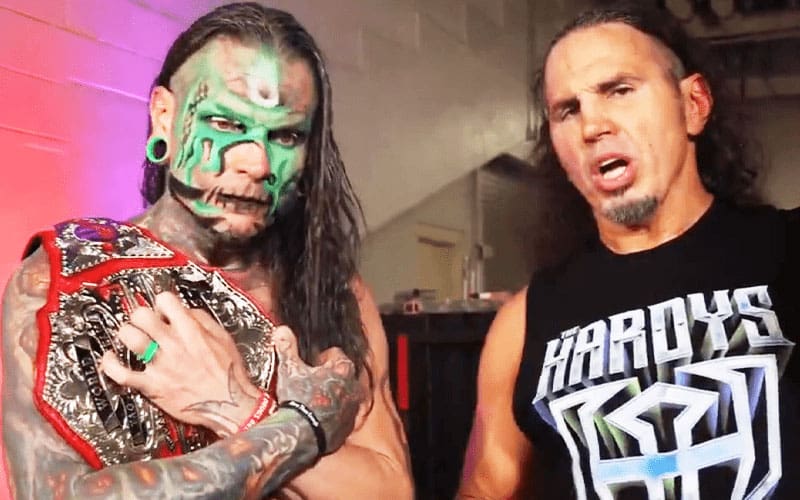
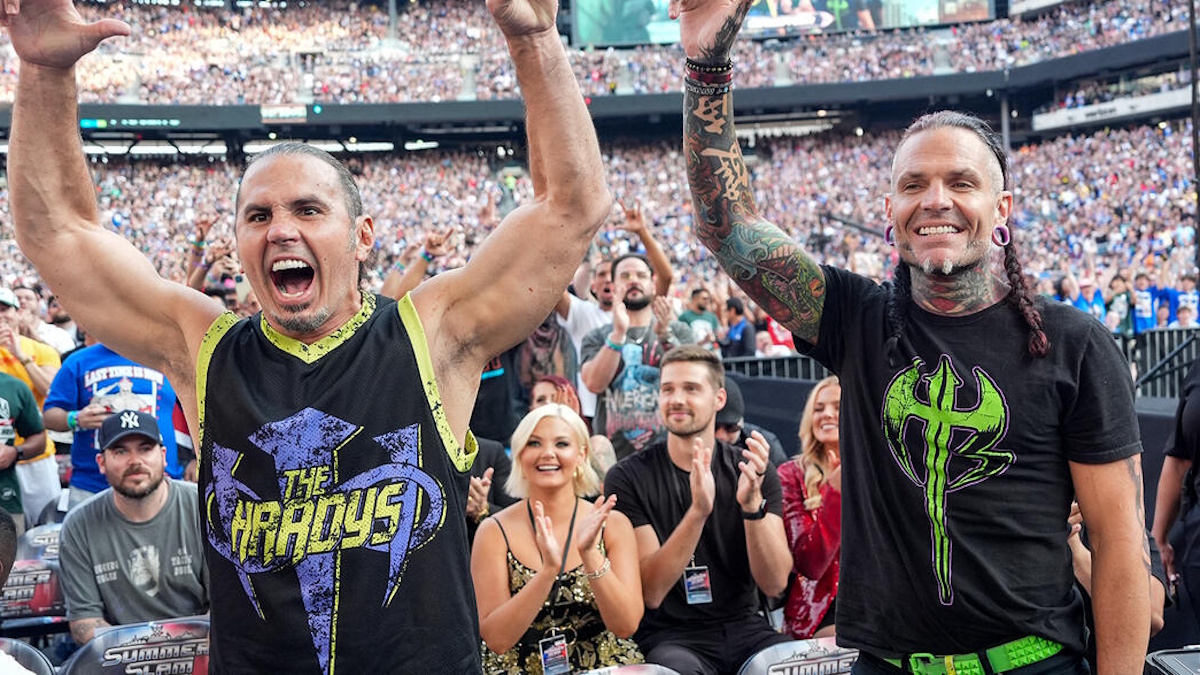
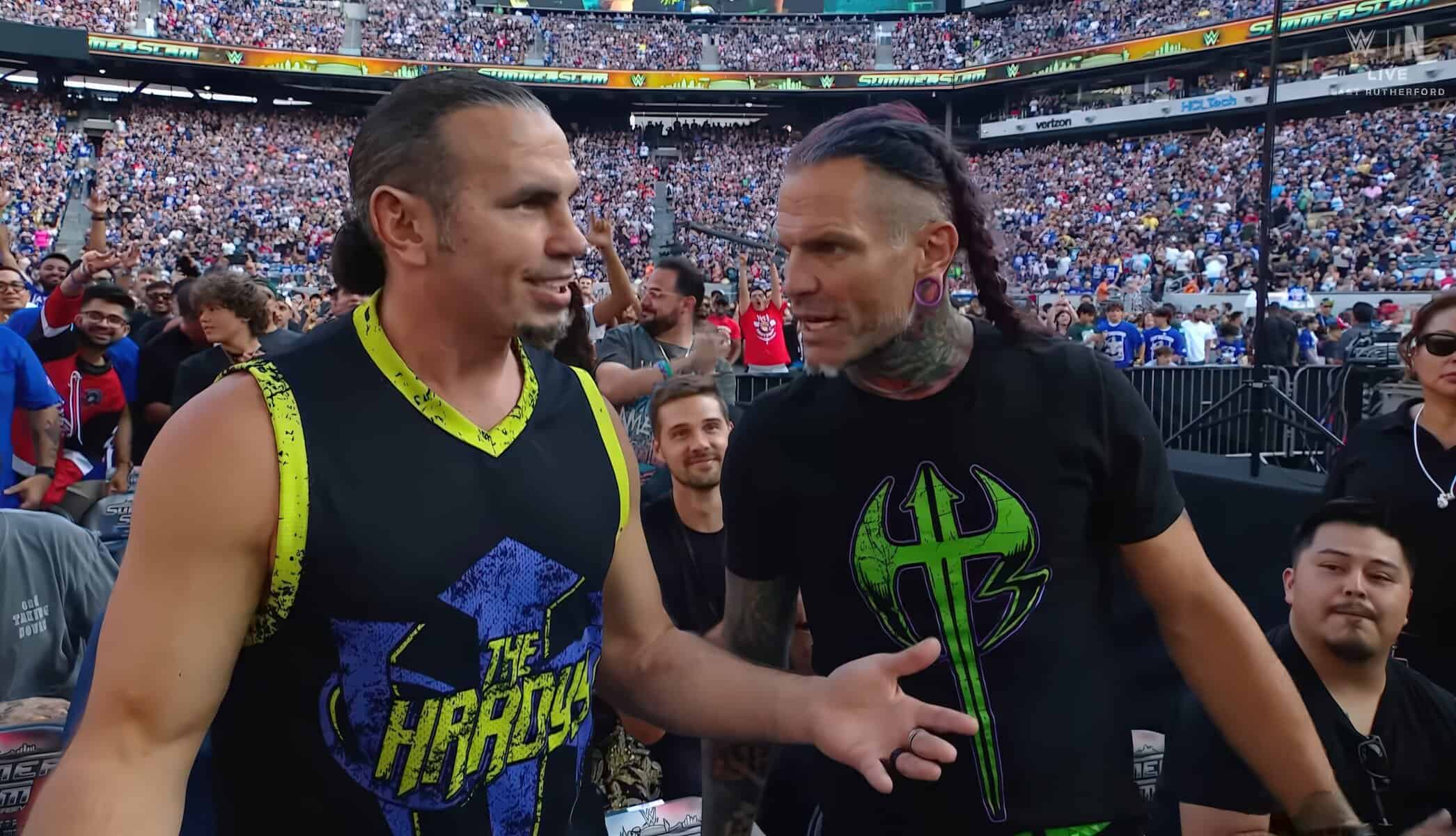
Jeff Hardy is officially preparing to resurrect an old gimmick for his current run in TNA Wrestling. Reports confirm the change is hitting television soon. Fans are already speculating whether we will see the chaotic energy of Willow or another chapter of the Broken Universe. But from a sports science and physical longevity standpoint, this news triggers immediate red flags.
Hardy is 48 years old. His medical chart reads like a textbook on accumulated athletic trauma. He has spent thirty years treating his skeletal system like a crash test dummy. When a veteran with his specific injury history announces a character shift, the first question shouldn't be about merchandise sales. It should be about biomechanics.
Different characters require different movement profiles. If this gimmick revival involves a return to the erratic, high-velocity style that made those alter egos famous, Hardy is taking a massive physiological risk. The human body does not rewind.
The Biomechanics of an Alter Ego
In professional wrestling, a gimmick is rarely just a change of clothes. It alters the athlete's entire kinetic chain. A character like Willow relies heavily on unpredictable bursts of speed, awkward landing angles, and high-impact offense. These are the exact movement patterns a wrestler nearing fifty needs to completely eliminate from their repertoire.
Take the Swanton Bomb. From a kinesiology perspective, the move is a nightmare for the cervical spine and the lower lumbar region. In his twenties, Hardy could absorb the shock through muscular elasticity and healthy spinal discs. Today, those discs are compressed. The shockwave of a top-rope landing travels straight through bone and degenerating cartilage.
If the returning gimmick demands those signature high-risk spots to get over with the TNA crowd, Hardy is setting himself up for failure. We have seen this cycle before. A nostalgic return creates a massive crowd reaction. The wrestler pushes past their physical limits to justify the reaction. A structural injury follows shortly after.
Accumulated Micro-Trauma and Joint Degeneration
To understand the danger here, we have to look at accumulated micro-trauma. Every ladder match, every table bump, and every concrete landing leaves a permanent tax on the body. You cannot rehab a lifetime of cartilage loss. You can only manage the pain and adapt the in-ring style.
Hardy's lower body mechanics have visibly changed over the last five years. His gait is stiffer. His explosion off the mat is delayed by fractions of a second. That delay is highly dangerous. In professional wrestling, a delayed jump means you don't reach the proper apex for a safe rotation. An incomplete rotation leads to awkward landings. Awkward landings tear ligaments.
If TNA booking asks him to work a 15-minute match at the pace of his 2014 Willow run, they are playing a dangerous game. Muscle memory might tell his brain he can hit a twisting dive to the floor. His knee joints will tell a very different story on impact.
The Reality of Chronic Pain Management
When an athlete with over three decades of high-impact miles decides to dust off an extreme alter ego, the immediate question involves pain management. Professional wrestling at the highest levels requires athletes to perform through intense discomfort. But there is a vast difference between routine soreness and the structural degradation that plagues a veteran like Hardy.
Hardy's history with lower back issues is well-documented. The lumbar spine is the shock absorber for the entire body. When those vertebrae are compressed repeatedly over thirty years, the surrounding muscles are forced into a permanent state of tension to stabilize the area. This chronic tension alters the way an athlete walks, runs, and lands. It is a cascading physical failure.
A gimmick that requires sudden, explosive movements forces the body to bypass these compromised shock absorbers. The kinetic energy has to go somewhere. Usually, it travels straight into the knees and the cervical spine. This is why a return to a chaotic character is so concerning. It demands a physical toll that chronic pain management simply cannot mask anymore. The adrenaline of a live crowd might hide the pain for ten minutes, but the physiological bill always comes due.
Historical Precedent of Veteran Nostalgia Runs
The industry has a long, documented history of older wrestlers breaking down when they try to recreate their prime. Mick Foley's later runs in TNA featured massive bumps that severely impacted his mobility later in life. The Undertaker's final few matches before his cinematic send-off exposed the harsh reality of aging in a contact sport.
Hardy fits squarely into this category. His recent stints in AEW were marred by visible physical decline and subsequent injuries. He looked severely compromised in multiple matches, struggling to execute basic transitions without noticeable discomfort. Transitioning back to TNA places unfair pressure on him to perform at an unsafe level.
A smart veteran pivot uses psychology to replace athleticism. Look at how older Japanese legends like Keiji Muto transitioned their styles. Muto replaced his moonsault with the Shining Wizard, a grounded strike that protected his destroyed knees. If Hardy's gimmick change is a calculated move to a slower, psychology-based character, it is a brilliant survival tactic. If it is an attempt to pop a rating with a nostalgic stunt show, it is highly negligent.
The Failure of Medical Oversight in Wrestling
This situation highlights a glaring flaw in how promotions handle aging talent. The focus is almost entirely on passing a basic physical to get cleared for TV. There is rarely a long-term kinesiological plan in place. TNA medical staff should be dictating the bump card for a veteran like Jeff Hardy, not the creative writers.
A responsible promotion would implement strict match-time limits. They would ban specific high-risk spots. They would ensure that his opponents are ring generals capable of protecting him through every single transition. Instead, the wrestling business traditionally lets the talent dictate their own risk. For someone like Hardy, whose entire career is built on disregarding risk, that lack of oversight is a recipe for absolute disaster.
We saw this exact lack of oversight during his AEW run. He was allowed to take a brutal bump onto the steel steps that essentially derailed his momentum and his health. The independent circuit is full of similar cautionary tales. TNA cannot afford to repeat that mistake. The visual of a battered legend struggling to finish a match helps absolutely no one.
Strategic Implications for TNA Wrestling
From a business perspective, TNA is attempting to use name value to boost viewership. It is a logical television move. The nostalgia pop for a classic Hardy gimmick will undoubtedly generate social media clips and short-term network interest.
But the long-term strategy is incredibly fragile. If the entire angle depends on Hardy performing at a high athletic level, the return on investment is minimal. One bad landing on a Tuesday taping, and the entire storyline is instantly scrapped. The company is left scrambling to fill television time, and they look wildly irresponsible for putting him in that position in the first place.
TNA has to protect Jeff Hardy from himself. The gimmick needs to do the heavy lifting, not his skeletal system. The promo packages, the lighting, the entrance music — these elements should consume 90 percent of the character's focus. The actual in-ring action must be severely restricted.
What to Watch for in the Coming Weeks
As this gimmick makes its return to TNA television, there are specific physical indicators to monitor. Watch his base when he takes a standard back body drop. A solid base indicates good lower body strength. A collapsing base signals severe fatigue or joint instability.
Pay attention to his head positioning during high-impact moves. A tucked chin is muscle memory, but a delayed tuck is a sign of neurological slowing. These fractional delays are the difference between walking to the back and leaving the arena on a stretcher.
We will also monitor his recovery time between high spots. If he requires extended periods of stalling or outside interference to catch his breath, it will confirm what the medical science already tells us. His body simply cannot sustain this specific workload anymore.
Jeff Hardy is a certified legend. He owes the wrestling business absolutely nothing. But the business owes him a safe, structured environment. Let's hope this new gimmick is a masterclass in smoke and mirrors, rather than another dangerous chapter in a career that has already asked way too much of one human body.