The Incident: Blood on the Road
Pro wrestling legend and former WWE Light Heavyweight Champion Taka Michinoku was involved in a serious car accident today, April 7, 2026. Reports indicate the crash left the 52 years old veteran bloodied and requiring immediate emergency transport. Ringside News confirmed that an ambulance was called to the scene to treat the Just 5 Guys member after he sustained visible head injuries.
Details on the cause of the crash remain sparse, but the physical aftermath for a performer of Taka's age is a major concern. At this stage of a career that has spanned three decades, the body does not bounce back from high-impact trauma like it did during the Attitude Era. While the immediate focus is on his stabilization, the wrestling world is already looking at the massive hole this leaves in both the New Japan Pro-Wrestling (NJPW) and Just Tap Out (JTO) rosters.
The Medical Reality for a Junior Heavyweight
For a wrestler like Taka, whose entire style is built on neck-bridge suplexes and the high-impact Michinoku Driver II, a car accident is a worst-case scenario. Whiplash and concussion symptoms are the primary enemies here. Even a minor case of cervical instability can end a career for someone who still takes bumps from younger, faster juniors. Head lacerations often look worse than they are due to the scalp's blood vessel density, but the internal rattling of a 50-plus-year-old brain is what doctors will be monitoring over the next 72 hours.
We have seen this before with veterans who refuse to slow down. The road is often more dangerous than the ring. Taka has spent the better part of the last few years serving as the tactical backbone of the Just 5 Guys stable in NJPW. He isn't just a mascot; he is a working wrestler who anchors multi-man tags and provides the technical veteran presence that keeps those matches coherent. If he has sustained significant spinal or neurological damage, NJPW loses more than just a name—they lose a coach in the ring.
Historical Context: A Legacy of Resilience
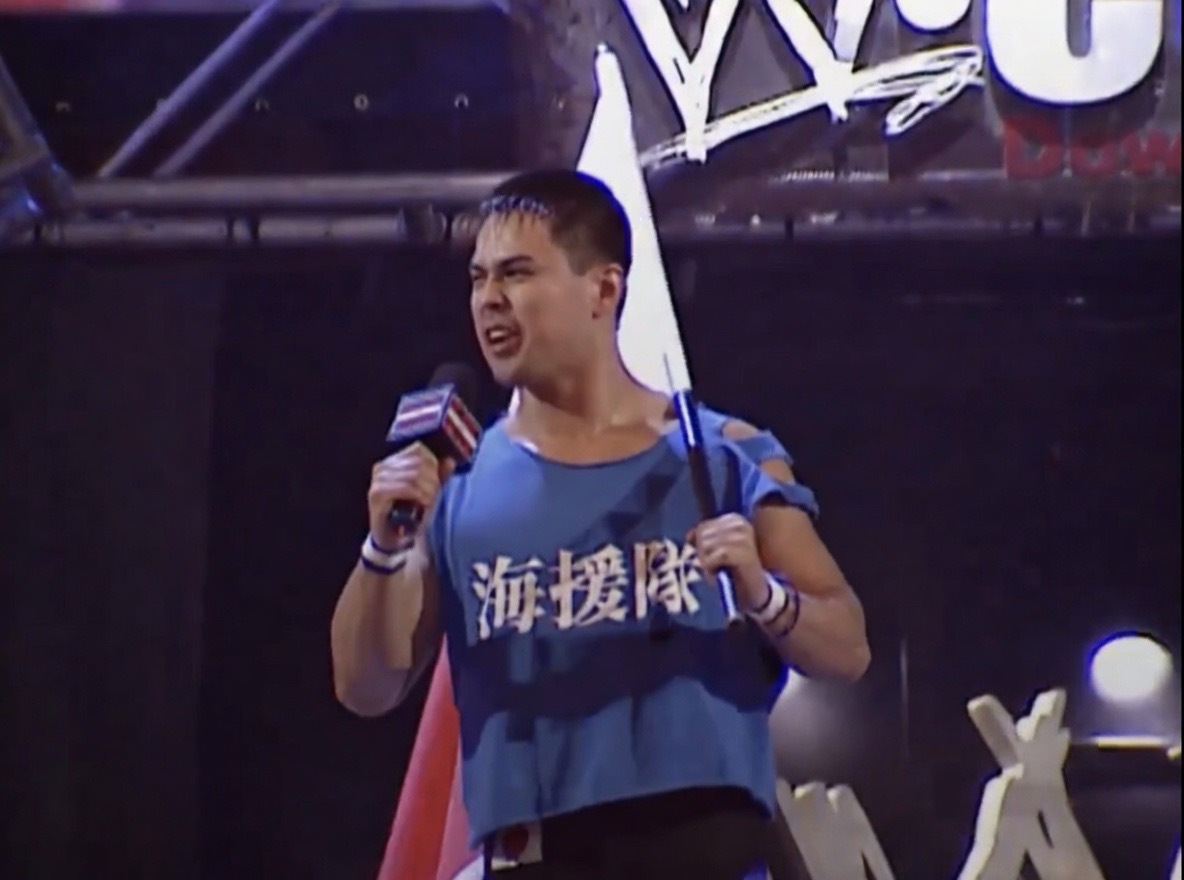
Taka Michinoku is no stranger to working through the grinds of the business. Fans remember his 1998 run as the inaugural WWE Light Heavyweight Champion, where he brought a hybrid style of Lucha Libre and Japanese Puroresu to a global audience. He survived the cutthroat environment of the early Kaientai days and eventually transitioned into a brilliant second act as a promoter and faction leader. His JTO promotion has become a vital feeder system for the Japanese scene, and his personal health is directly tied to the stability of that company.
The industry has a dark history with road accidents. From the 1986 crash that paralyzed Magnum T.A. to more recent scares involving independent talent, the travel schedule remains the most lethal part of the job. As F4WOnline noted in their daily update, Taka’s status is the lead story for a reason. He is a bridge between generations. Losing his presence in the locker room right as we head into the busy spring season would be a massive blow to the morale of the NJPW roster.
The Physical Burnout Factor
This accident comes at a time when the industry is finally talking about the physical toll of the road. AEW's MJF recently went on a tirade against Tony Khan regarding the "exhausting" length of pay-per-views and the constant grind required of top stars. While MJF is talking about 50-minute matches, the reality for a guy like Taka is much more blue-collar. It is about the six-hour drives between Prefectures, the lack of sleep, and the cumulative fatigue that makes accidents like this more likely.
There is a harsh reality that NJPW and other major promotions need to face: their reliance on aging legends to fill out tour dates is a dangerous game. Taka Michinoku should be in a position where he doesn't have to be on the road every single night. The fact that a veteran of his stature is still grinding to this extent, potentially leading to fatigue-related incidents, is a failure of the modern touring model. We currently have zero confirmed dates for his return, and honestly, a return shouldn't even be on the table until he undergoes a full neurological baseline reset.
Strategic Implications for NJPW and JTO
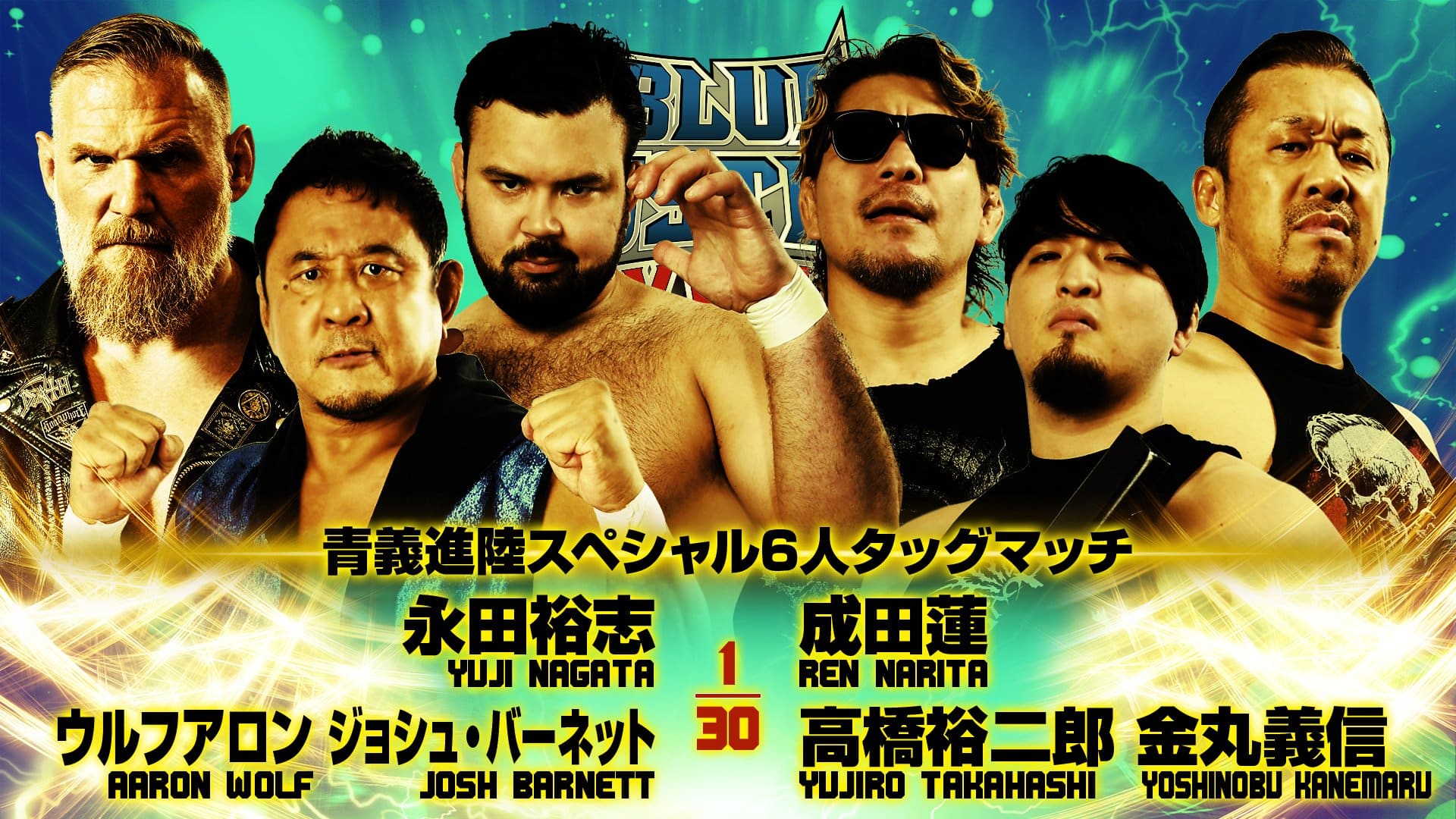
The immediate fallout will be felt by Just 5 Guys. The stable, consisting of SANADA, Taichi, DOUKI, and Yuya Uemura, relies on Taka to handle the promotional heavy lifting and the tactical setups in their matches. Without him, the group loses its most experienced voice. More importantly, his promotion, JTO, is now effectively leaderless. Taka isn't just the owner; he is the head trainer. If he is sidelined for six months or more, the development of their young roster will stall.
NJPW management will likely have to shuffle their spring tour cards immediately. You cannot simply swap Taka for a Young Lion and expect the same match quality. He brings a specific timing to his spots—like his rolling cradle and the cross-armbreaker—that younger talent haven't mastered. The "Just 5 Guys" name itself becomes a bit of a grim irony if they are forced to operate as "Just 4 Guys" for the foreseeable future. They need to find a way to keep the stable's momentum without its founding father.
The Road Forward
What happens next depends entirely on the CT scans. If Taka escaped with just "bloodied" surface wounds and no structural damage to his neck or brain, he might try to be back in the ring within a month. That would be a mistake. The wrestling world needs to stop celebrating the "warrior spirit" that leads men to wrestle three weeks after a car crash. He needs to sit out. He needs to heal. The Michinoku Driver can wait.
The negative observation here is clear: the industry continues to prioritize the show over the human being. Whether it is MJF complaining about the length of AEW shows or Taka Michinoku being hospitalized after a road accident, the common thread is a lack of rest. NJPW should use this as a catalyst to implement mandatory rest periods for their veterans. Taka has given 100% of his life to this sport; the sport doesn't need to take the rest of it on a highway in the middle of the night.
We will continue to monitor updates from NJPW and JTO officials. For now, the focus is on the man, not the performer. Taka Michinoku changed the way light heavyweights wrestled in the United States and redefined what a veteran leader looks like in Japan. He deserves a recovery that doesn't involve a countdown to his next match. The road has taken enough from this generation of wrestlers already.