The cost of high-stakes performance
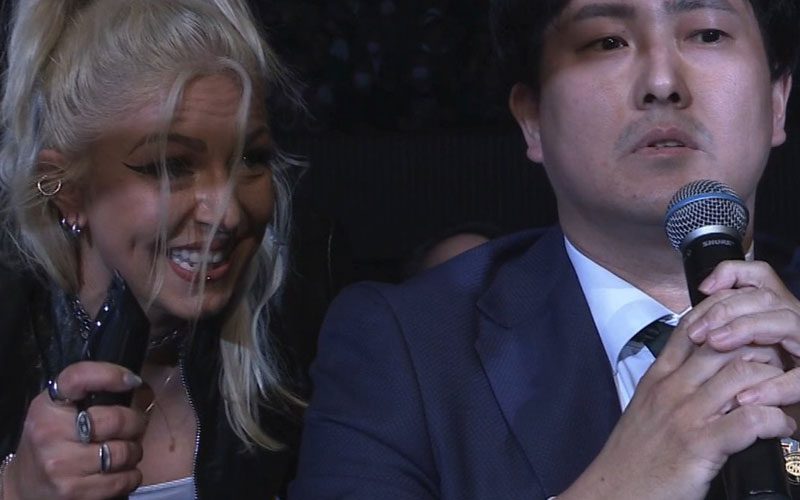
Professional wrestling relies on the audience suspending their disbelief. When a performer breaks an arm or leaves a promotion, we cheer or boo based on the narrative presented. However, the recent fallout from Thekla leaving STARDOM highlights a disturbing trend where that suspension of disbelief curdles into genuine harassment.
Reports surfaced earlier this week indicating that the performer received death threats following her high-profile exit angle. It is one thing to be a passionate fan of a promotion or a specific character. It is entirely another to weaponize personal vitriol against an athlete for the scripted beats of a career transition.
The Nintendo warning for Cody Rhodes
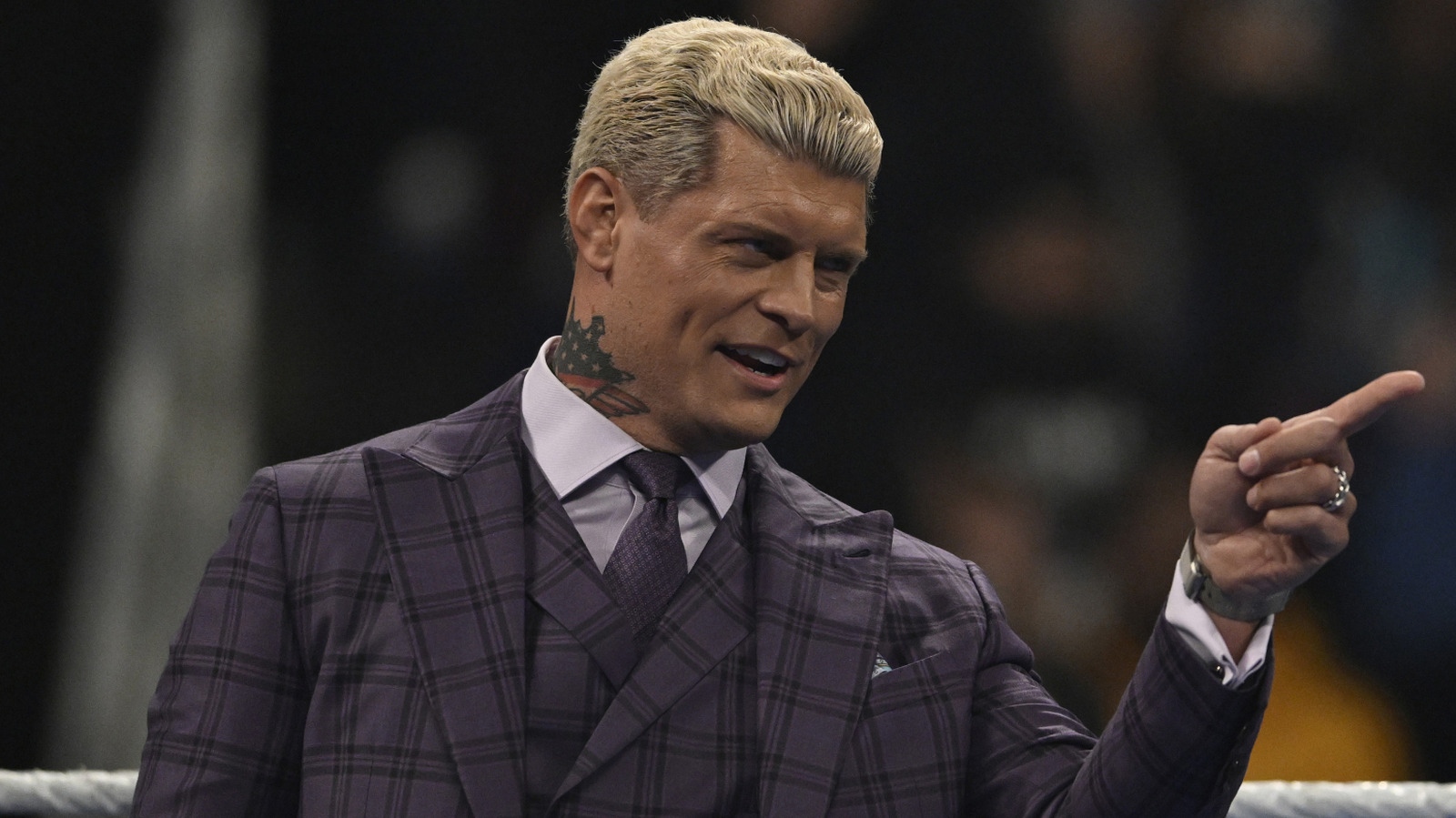
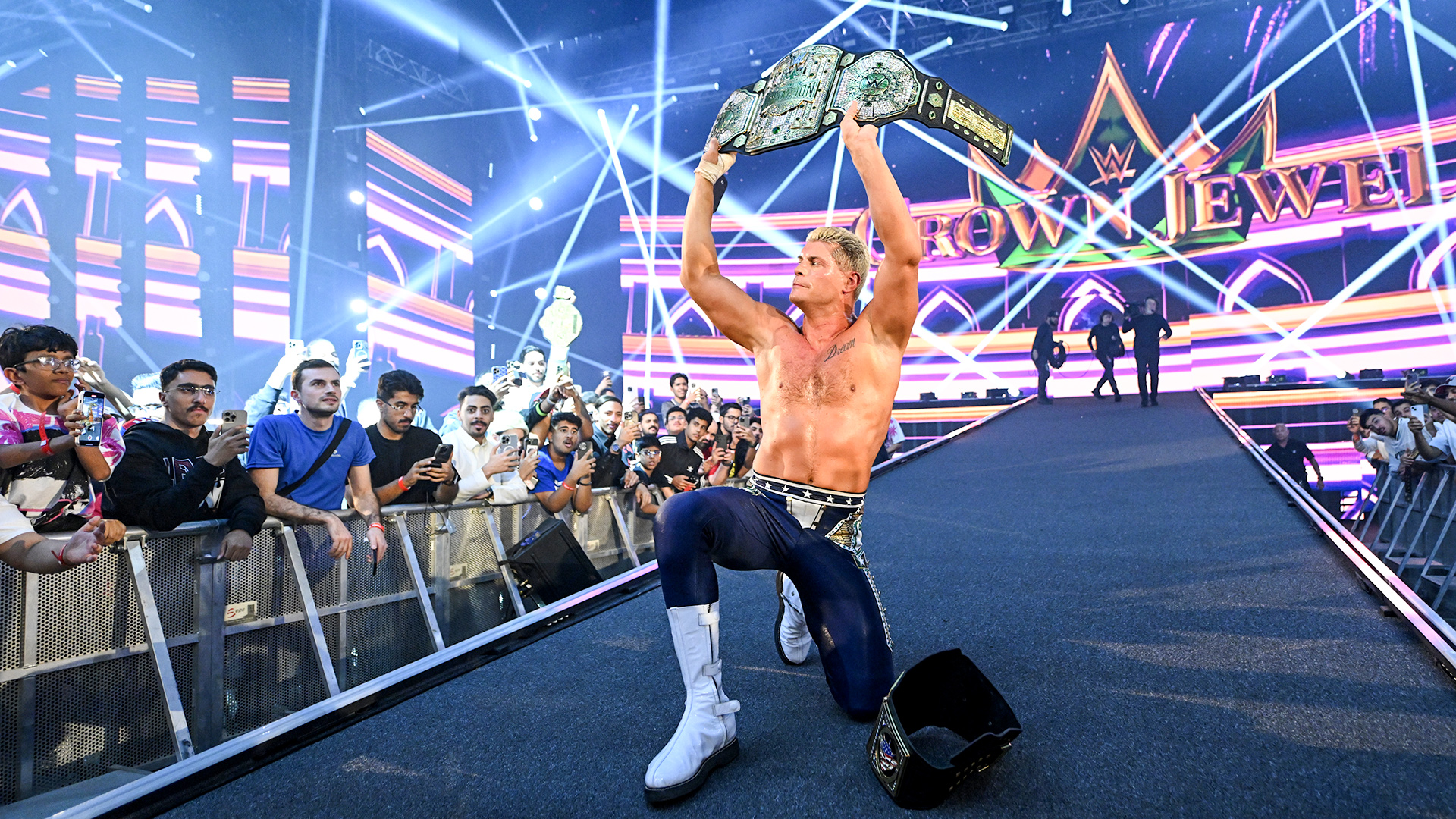
In a separate but telling intersection of professional wrestling and corporate reality, recent reports confirm that Cody Rhodes faced legal pushback from Nintendo. The conflict stemmed from his choice of ring gear, which drew too heavily from the Legend of Zelda franchise.
Rhodes has never been shy about his gaming roots. Yet, even a top-tier performer finds that intellectual property protections do not bend for presentation requirements. It serves as a reminder that the ring is not a vacuum, even when companies attempt to build their own mythologies.
Predicting the impact on creative freedom
These two stories represent the opposite ends of modern wrestling pressure. One is a legal hurdle regarding branding, which is predictable and manageable. The other is a social issue that threatens the psychological well-being of the talent.
We are increasingly seeing companies move toward rigid, homogenized presentations. When performers try to inject personality via niche influences or edgy departure angles, they run into massive friction. If the internal logic of a promotion leads to talent being targeted by fans, we are going to see a reduction in creative risks.
The analytical outlook
Booking an exit requires nuance. If a promotion leans too far into the heat of a departure, they risk inciting a segment of the base that lacks the maturity to distinguish between work and shoot. Thekla’s situation proves that companies need to be more surgical in how they frame real-world talent movement.
Moving forward, I suspect we will see a decline in 'surprise' leave-taking angles that mimic real-life conflict. The legal risks—like the $0 revenue gain from using unlicensed imagery—coupled with increased toxicity means safe, sanitized exits are the predictable future. I predict promoters will pivot back toward simple, character-driven departures that avoid any ambiguity regarding the performer’s real-world status.