The physical toll of the industry
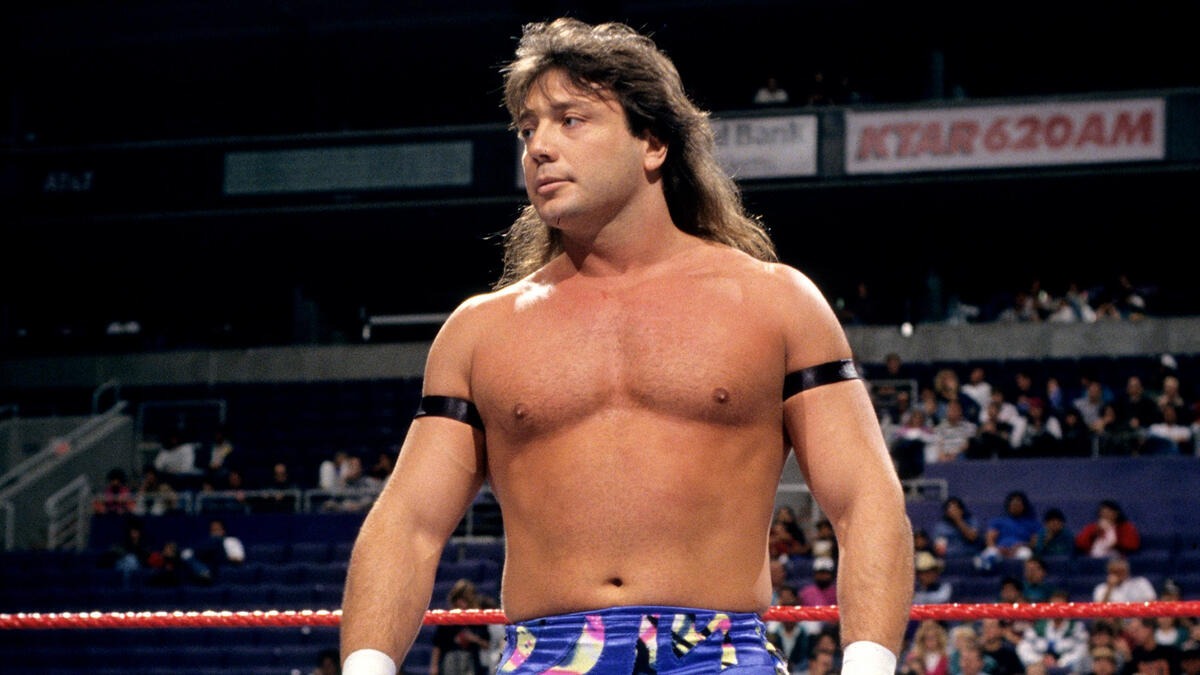
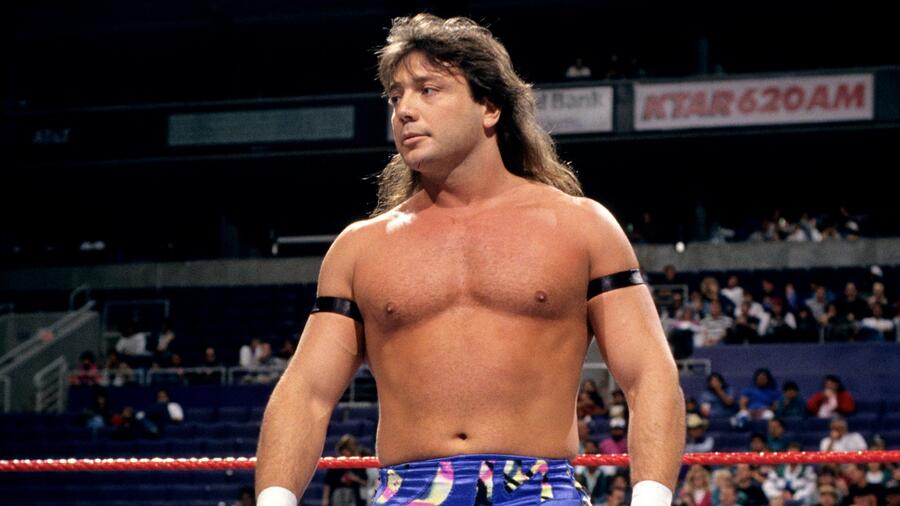
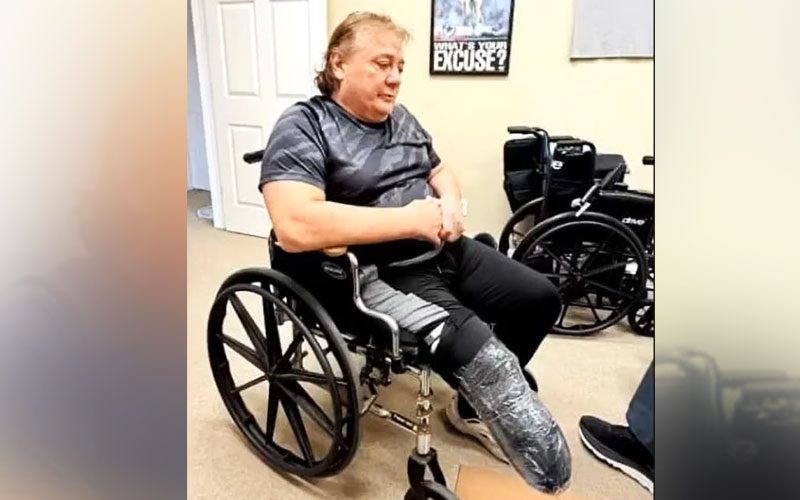
The news regarding Marty Jannetty reached the public this week via Eddie Mansfield, confirming that the former wrestler has undergone a foot amputation following a protracted battle with sepsis. It is a sobering update for anyone who followed his career in the WWF during the late 1980s and early 90s. Jannetty was always the engine behind the high-flying Rockers offense, a style that prioritized agility and impact over the era's standard power-based matches.
As Ringside News recently detailed, the procedure follows years of health struggles that forced him away from the ring. When we look back at the footage from their iconic tag team bouts against the Brain Busters or the Orient Express, the underlying athleticism is undeniable. However, we often gloss over the repetitive stress required to perform that style on a nightly basis, especially during the grueling touring schedules of the territory days.
The cost of legacy
Professional wrestling does not have an off-season, and that reality leaves a permanent mark on those who defined its most vibrant chapters. Watching Jannetty, one sees the standard-bearer for a specific generation of lighter, faster performers. His athleticism, specifically in the 1990 Royal Rumble, showcased a capacity to absorb kinetic energy that few wrestlers could manage safely at the time.
The criticism here lies not in the performance, but in the systems that allowed such physical decline to go unmonitored for decades. We treat athletes as disposable figures until a medical report like this surfaces. It serves as a reminder that the bumps taken in non-televised bouts in 1988 have an expiration date that hits long after the house lights dim. Wrestling history is often written in titles and main events, but the reality is frequently found in medical charts and mobility struggles.
Reflecting on the Rockers era
Jannetty’s impact on the industry, regardless of his personal challenges, remains solidified by the influence he had on the subsequent generation of performers. The tag team division of the late 80s would not have commanded the same interest without the contrast he and Shawn Michaels provided. Their work at WrestleMania VII—while eventually being cut from the final broadcast due to time constraints—remains a masterclass in pacing.
We are watching these legends endure the long-term arithmetic of their decisions in real time. It is a harsh sequence of events that forces us to reconcile our fandom with the human cost of the spectacle. There is no simple resolution to these stories, only the cold fact of the 50 percent decrease in mobility that such surgeries entail. The sport moves on, the shows continue, but the individuals who built the foundation often vanish into the shadows of their own history.
Current promoters could do well to take note of these narratives. The industry has made strides in concussion protocols, but the orthopedic shelf-life of a wrestler remains a precarious subject. We celebrate the high-flying maneuvers as if the floor beneath the mat were soft, but the impact is always 100 percent real. It is a difficult truth to confront while watching this weekend’s upcoming matches.