The Abrupt End to Sacrifice
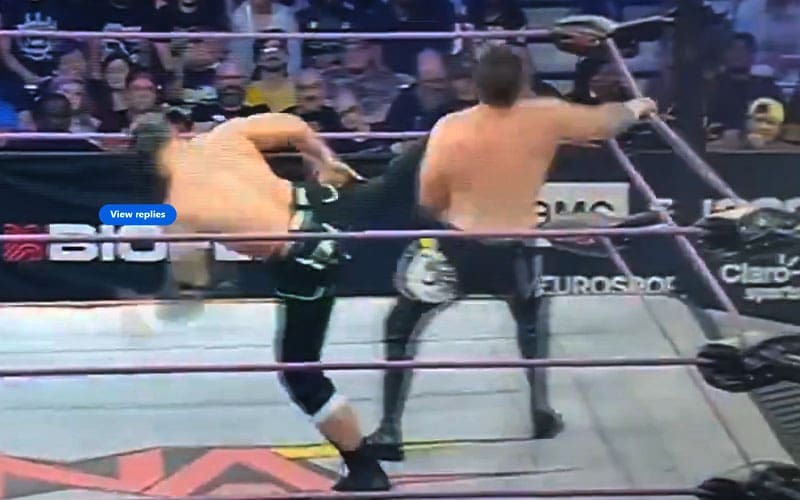
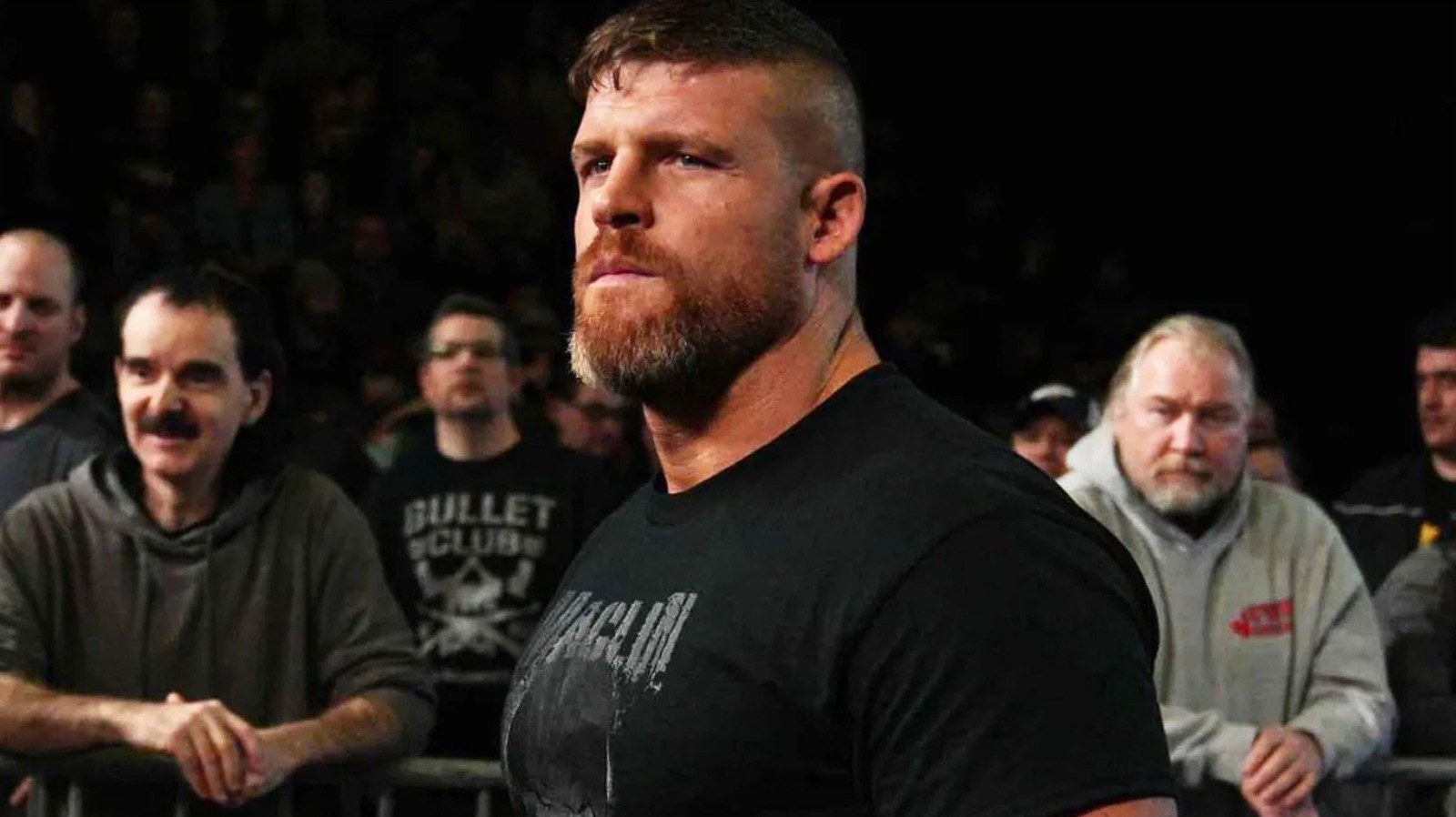
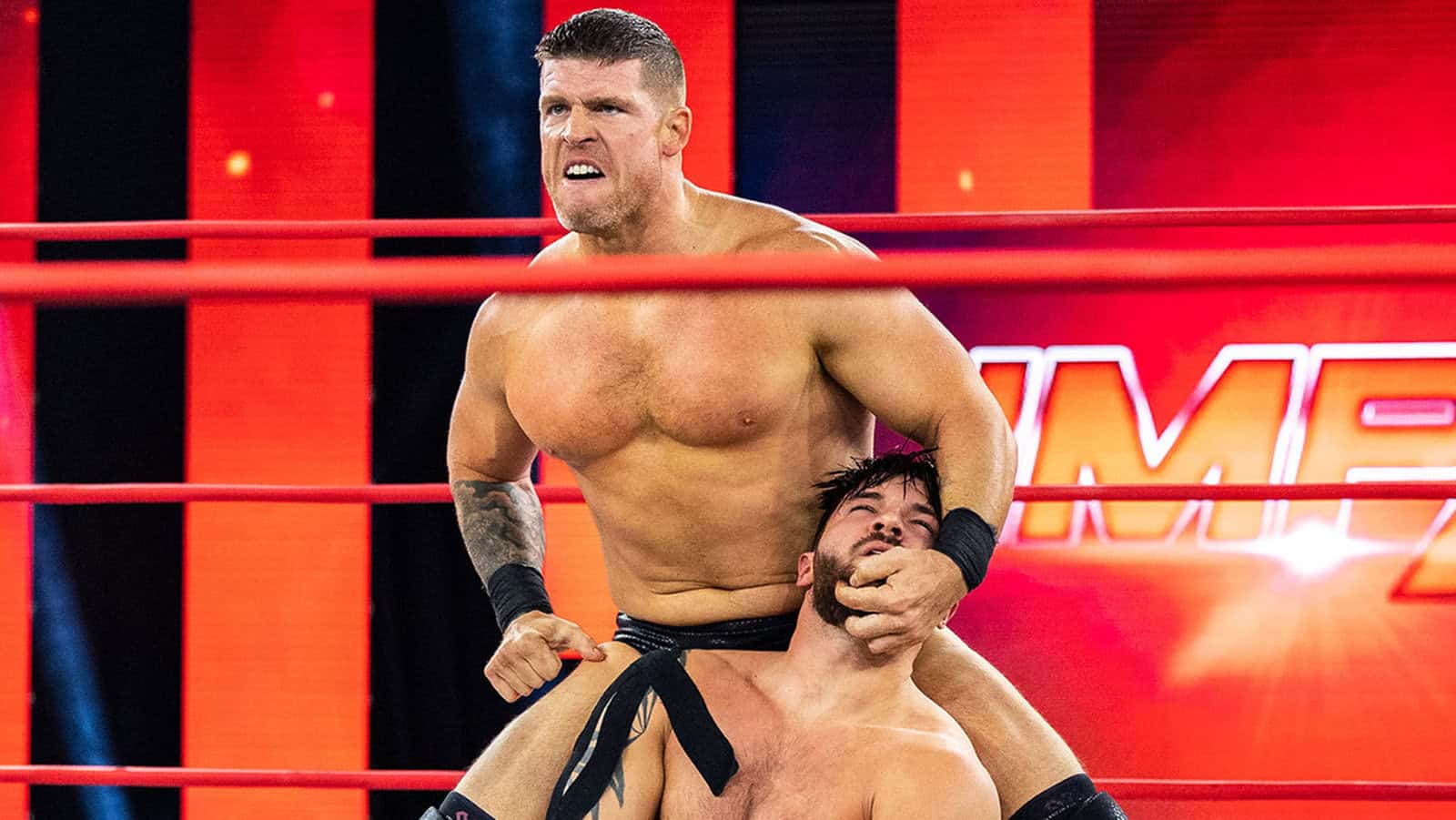
The main event of TNA Sacrifice didn't end with a dramatic near-fall. It didn't end with a signature finisher or a shocking heel turn. It ended with a terrifying dose of reality. Steve Maclin, widely regarded as one of the most reliable and intense competitors on the TNA roster, saw his night cut violently short.
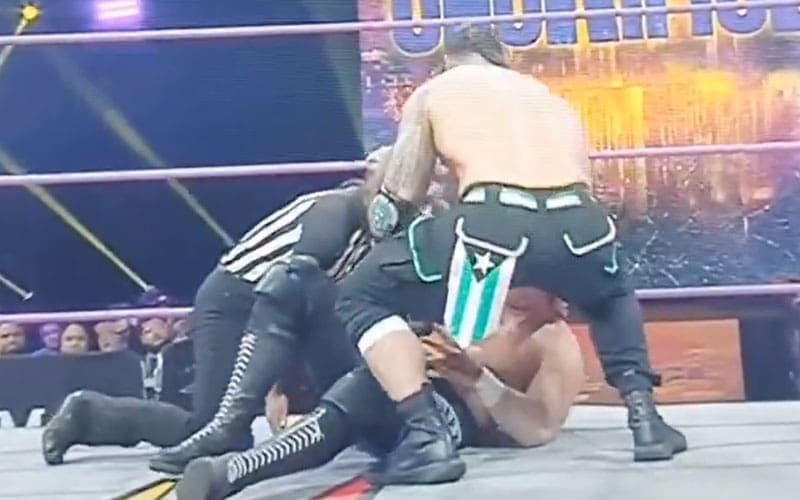
A referee stoppage in professional wrestling is always a jarring, uncomfortable sight. It shatters the carefully constructed illusion of the performance immediately. When the official violently crosses their arms into the "X" symbol to signal for legitimate medical assistance, the scripted violence abruptly halts. The very real, inherent danger of the sport takes center stage.
The backstage reports filtering out following the chaotic conclusion of the pay-per-view are undeniably grim. According to a developing report from Ringside News, the immediate concern surrounding Maclin is a significant head injury resulting in the stoppage. All signs currently point directly toward a severe concussion resulting from a harsh impact during the bout.
This is not a minor tweak. It is not a pulled hamstring or a sprained ankle that can be heavily taped up, allowing a talent to limp through the next set of television tapings. Head trauma dictates its own unforgiving schedule. The body can be pushed, but the brain simply cannot.
The Strict Reality of Concussion Protocol
TNA management and their medical staff now find themselves in a difficult, frustrating holding pattern. Maclin is a foundational piece of their upper card. Losing him, even for a truncated period, forces an immediate and sweeping creative rewrite. But the booking inevitably takes a back seat to the stark medical reality.
Concussions are notoriously, wildly unpredictable injuries. A wrestler might feel entirely normal the morning after a bad collision, only to spectacularly fail a routine baseline cognitive test later that afternoon. Alternatively, debilitating symptoms like extreme light sensitivity, persistent nausea, crushing headaches, and vertigo can randomly linger for weeks.
Let's specifically break down exactly what happens when a professional wrestler enters a modern medical concussion protocol. The first 48 hours following the impact are strictly dedicated to passive observation. Medical personnel are acutely looking for any worsening neurological signs that could indicate a more severe traumatic brain injury.
This is the acute rest phase. Maclin will be rigorously evaluated using standardized concussion assessment tools, likely a variation of the SCAT5 protocol. The medical team will meticulously test his short-term memory, his physical balance, and his general cognitive function against a pre-injury baseline established during his annual physicals.
If the initial working diagnosis of a severe concussion is clinically confirmed, the projected timeline for a return to the ring becomes entirely fluid. There is simply no set recovery date for brain trauma. Unlike a cleanly broken collarbone with a highly predictable healing window, a concussed brain heals strictly on its own unpredictable terms.
The medical protocol strictly requires an athlete to be completely symptom-free while resting before they are even permitted to begin light cardiovascular exertion. You cannot run, you cannot lift, and you certainly cannot take a flat back bump.
The Staged Return to Action
Once a wrestler finally achieves a symptom-free state at rest, they progress through a highly regimented, step-by-step exertion protocol. It begins with light cardio on a stationary bike. If that goes well, they move to heavy cardiovascular output. Next comes non-contact ring drills—running the ropes, rolling, basic movement.
Finally, they are cleared for full-contact bumps and taking actual strikes. If concussion symptoms return at literally any step of this ladder, the entire process halts immediately and resets back to square one. This grueling reality is exactly why projecting a firm return date for Maclin right now is currently impossible.
A short-term absence of one to three weeks is the absolute, optimistic best-case scenario. That short window implies a very mild concussion with rapid, uncomplicated symptom resolution. However, the alarming nature of the sudden stoppage at Sacrifice suggests a significantly more severe initial impact.
Fans and TNA management should realistically brace for a longer-term absence. A month or more away from active in-ring competition is a highly distinct, probable possibility.
Ripple Effects Across the TNA Roster
The creative and logistical fallout for TNA is undeniably massive. Steve Maclin is a proven workhorse for the brand. He consistently eats up important television time, routinely delivers reliable main-event caliber matches on pay-per-view, and currently acts as a central linchpin for several major intersecting storylines.
His sudden absence leaves a gaping, immediate hole at the very top of the card. The promotion has television tapings rapidly approaching, and months of carefully laid out creative scripts will now need to be drastically torn up and hastily rewritten. This emergency situation is exactly where a promotion's roster depth is brutally, publicly tested.
TNA's recent reliance on Maclin to carry the main event scene masks a glaring lack of depth at the very top of their card. Without him, their thin roster is brutally exposed. They desperately need someone to step into that main event spotlight immediately, but the reliable options are distinctly limited.
It presents a rare, golden opportunity for a hungry mid-card talent to receive a sudden, unexpected main event push, but it is an incredibly difficult, high-pressure situation to walk into cold. The entire dynamic of the TNA upper card abruptly shifts. Long-term feuds that were meticulously planned for the upcoming spring schedule will be unceremoniously shelved.
The Necessary Evolution of Wrestling Medicine
We must specifically acknowledge and praise the referee's decisive role in handling this terrifying incident. Ten or fifteen years ago, a wrestler in Maclin's compromised position might have been actively encouraged, or even intensely pressured by management, to somehow "power through" and finish the match as planned.
The toxic, historical culture of the wrestling business was firmly built on ignoring pain. "Working hurt" was incorrectly viewed as a necessary badge of honor. That archaic, dangerous mentality directly cost careers and, tragically, ended lives prematurely.
The immediate stoppage at Sacrifice serves as a stark, encouraging reminder of just how far the wrestling industry has thankfully evolved regarding head trauma. The referee accurately recognized the immediate danger, confidently stepped in, and aggressively shut the match down.
That specific action takes immense courage in a high-pressure, live main event setting with thousands watching. It correctly prioritizes the performer's long-term neurological health over the immediate, fleeting gratification of the live crowd. It was the only correct, responsible decision to make in that moment.
Historically, badly managed concussions have permanently derailed massive career pushes. Look at the devastating ripple effects of severe head trauma on careers across the wrestling business over the last two decades. When a top star suddenly goes down with a serious head injury, the entire creative trajectory of a national promotion can instantly change.
TNA is now facing that exact, daunting scenario. They simply have to protect their massive financial investment in Maclin by aggressively protecting Maclin from himself. Professional wrestlers are inherently, obsessively wired to compete. They desperately want to get right back in the ring, regardless of the risk.
The medical staff's primary job is to protect the stubborn athlete from that relentless drive. TNA management absolutely cannot afford to rush this recovery process. A secondary head impact occurring before the initial concussion has fully healed can directly lead to catastrophic, potentially fatal neurological consequences.
The medical team will be, and absolutely must be, hyper-conservative with his clearance. The incredibly physical, aggressive style Maclin consistently employs only exacerbates the medical concern. He does not work a slow, safe, methodical pace. He is explosive.
He hits incredibly hard and routinely takes massive, high-impact bumps. Returning to that specific, demanding style of in-ring performance requires absolute, unwavering certainty from doctors that his brain has completely and totally healed. Clearing him for anything less is pure medical negligence.
For now, the TNA locker room anxiously waits. The fanbase waits. The creative team waits. The next few days will be absolutely vital in establishing a firm baseline for Maclin's long road to recovery. If the frightening symptoms shockingly subside quickly, we might see him on television in a strictly non-wrestling, talking capacity sooner rather than later.
If the symptoms linger, as is sadly common, TNA will be forcibly moving forward without one of its most valuable, reliable assets for the foreseeable, immediate future. The brain always demands respect, and Steve Maclin's immediate future is now entirely dictated by medical science, not a booking sheet.
Read Next