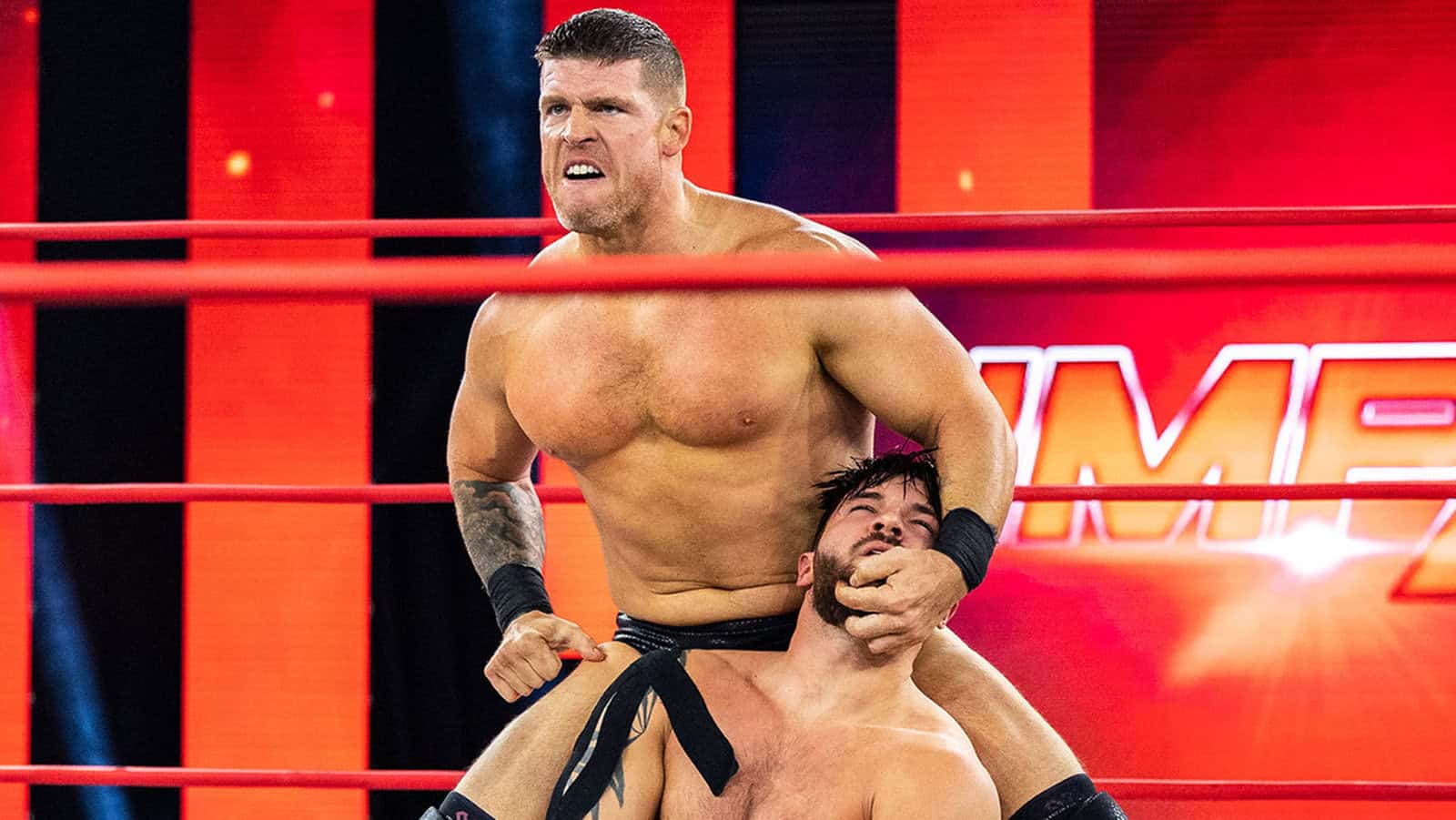
The physical and mental toll of the Sacrifice main event
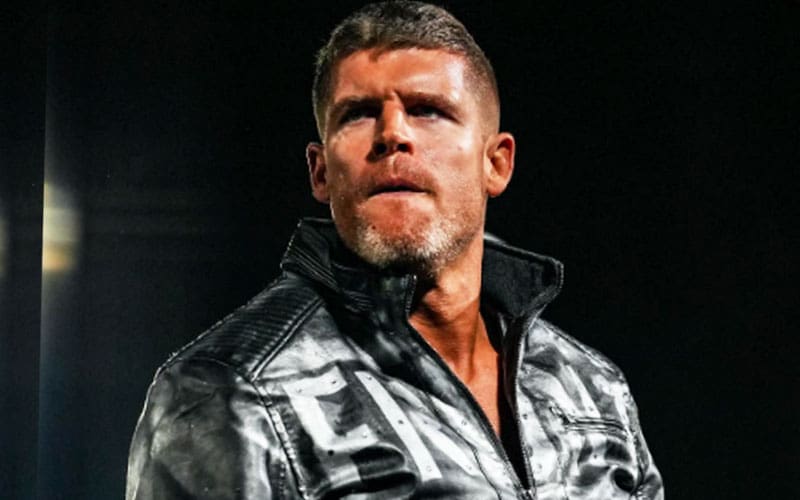
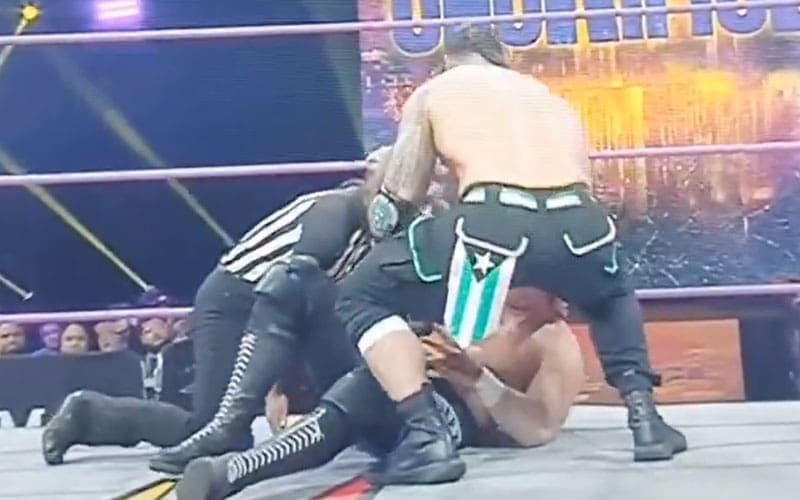
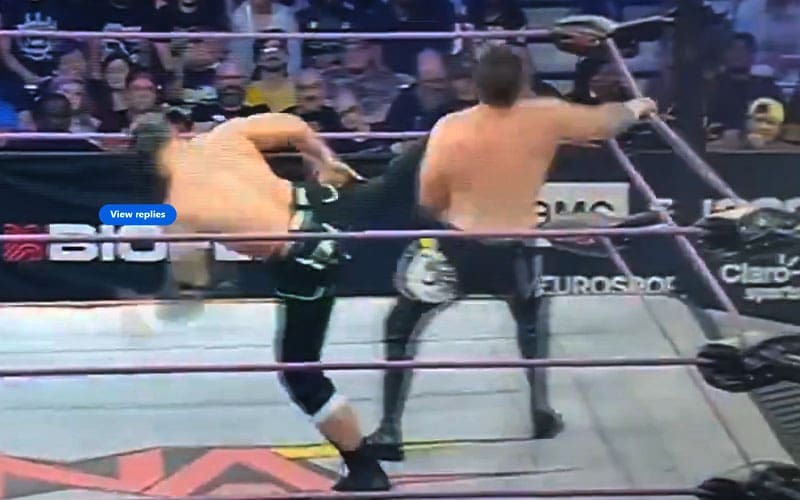
Professional wrestling is often sold to us as a controlled environment, yet the events at TNA Sacrifice reminded the locker room that the ring remains a hazardous workspace. Steve Maclin recently opened up about his experience at the event, describing it as one of the most frightening stints of his professional tenure. Watching the tape back, you see exactly why—the pacing was frantic, the impact sequences lacked the usual level of protection, and the margins for error were razor-thin.
Maclin has never been a worker who looks for the easy way out. His style revolves around high-impact suplexes and stiff strikes that demand a high physical output from both participants. However, the intensity at Sacrifice pushed beyond competitive fire into territory that caused genuine concern for those watching from the floor. When a performer of his standing marks a match as a moment of genuine fear, it forces a revaluation of the risk-reward ratio inherent in top-tier title bouts.
Tactical analysis of Maclin’s current ring psychology
Despite the trauma of that night, Maclin remains a compelling figure. His tactical approach is built on a foundation of discipline, usually dictating the distance between himself and his opponent to prevent counter-offenses. He utilizes the double-arm DDT as a primary equalizer, often setting it up after a sequence of clubbing blows to the neck and upper back. This repetition wears down the opponent's base, effectively negating any high-flying agility they might otherwise employ in the final minutes.
Critics often point to his tendency to become overly aggressive when his initial game plan fails. If his opponent manages to escape a deep lock or counter a move in the mid-section of a match, Maclin has been known to abandon structure in favor of wild brawling. While this creates a chaotic, high-energy spectacle, it also leaves him exposed to opportunistic finishing moves. In a landscape where finishers can be protected fiercely, this lack of composure is a structural flaw that keeps him from cementing his spot at the top of the card.
What the future holds for TNA's heavy hitters
We are just ten days out from his candid reflections on the incident, and the question remains whether this scare will influence his future booking preferences. Maclin is currently caught in a cycle of proving his toughness at the expensive cost of his physical longevity. He needs to evolve his match construction to favor safer, more technical transitions if he intends to remain a main event level threat through the remainder of the year.
My prediction for his next major outing is that we see a more measured, methodical Maclin. He will likely tighten his execution, focusing on joint manipulation rather than high-risk power spots. While he will remain a volatile presence, his ability to control the pace of a 20-minute bout will be the deciding factor in whether he trends upward. Expect a win, but don’t count on him playing it safe; if there is an opening for a brutal strike, he will take it, regardless of the consequences to his own well-being.