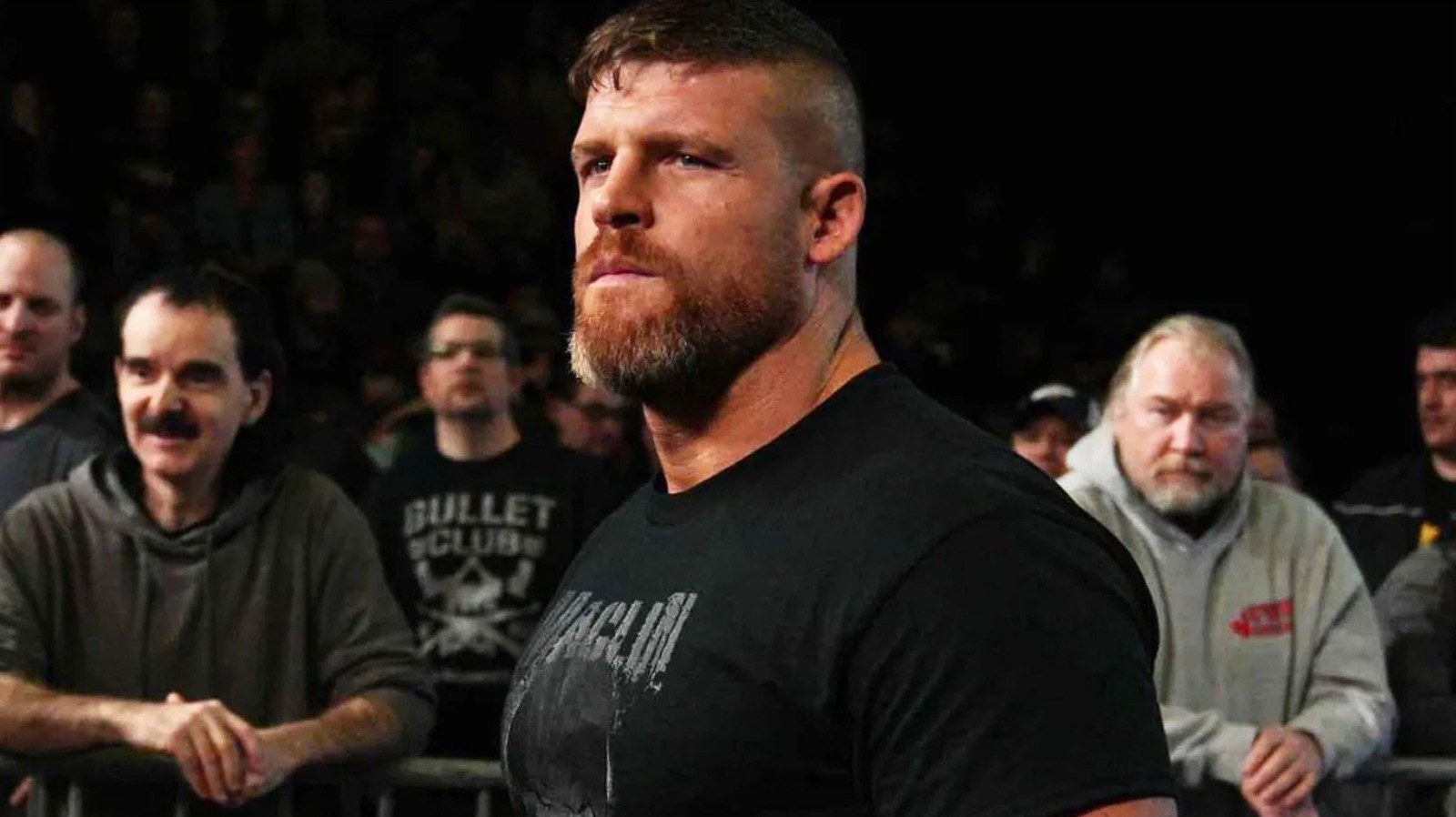
The main event collapse at Sacrifice
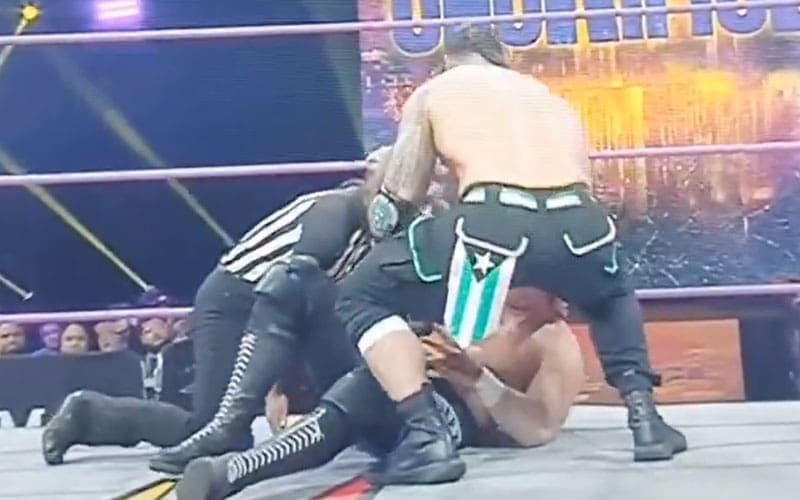
TNA officials were forced to pull the plug on the Sacrifice main event this past weekend when Steve Maclin showed clear signs of a concussion. The match, intended to serve as a high-stakes spotlight, ended abruptly. Medical personnel rushed the ring immediately upon observing non-responsive behavior and disorientation from the veteran performer.
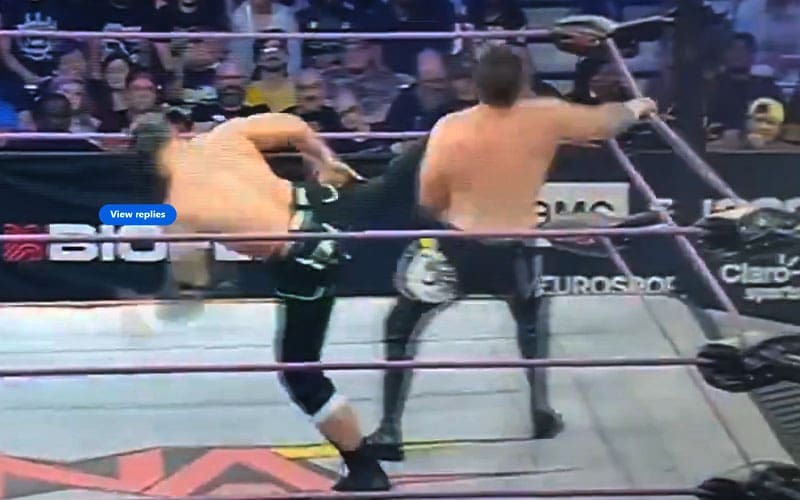
Reports verify that Maclin suffered the injury mid-match after a miscalculated landing during a high-impact sequence. Despite his attempt to push through, the official officiating the bout made the determination to stop the contest to protect the athlete. It is a necessary move that highlights the shifting standards regarding in-ring safety across the industry.
Timeline and recovery path
Maclin is currently subject to the standard promotion concussion protocol. There is no definitive return date fixed, as neurological recovery remains unpredictable by design. TNA's internal medical team will monitor his cognitive function daily before clearing him for any physical exertion.
Fans expecting to see Maclin perform leading up to next month face a reality check. He will certainly miss upcoming television tapings while he remains in the mandatory rest phase. This represents a significant blow to the booking team, who had Maclin positioned as a top-card fixture for the spring season.
Strategic damage to the card
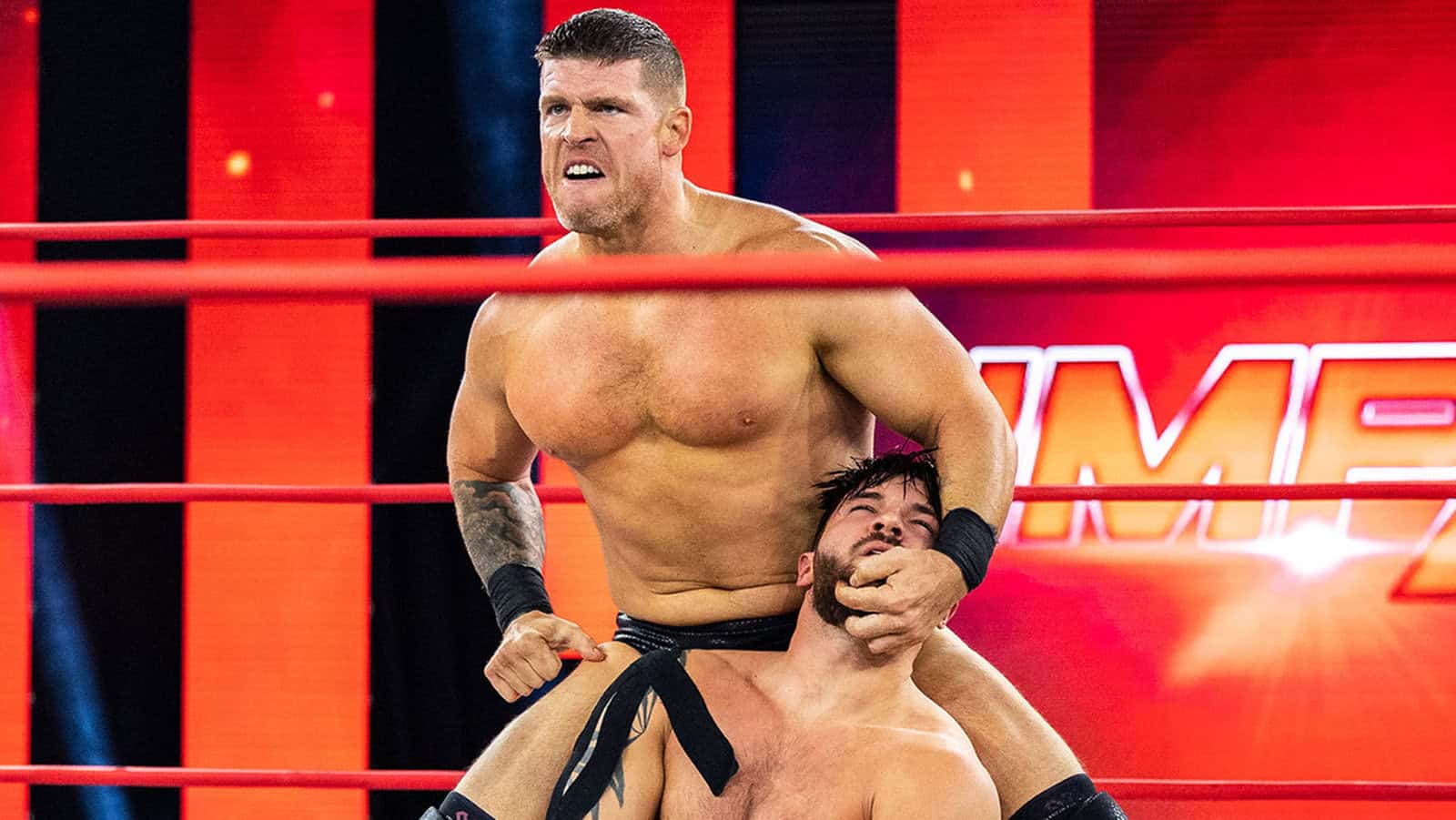
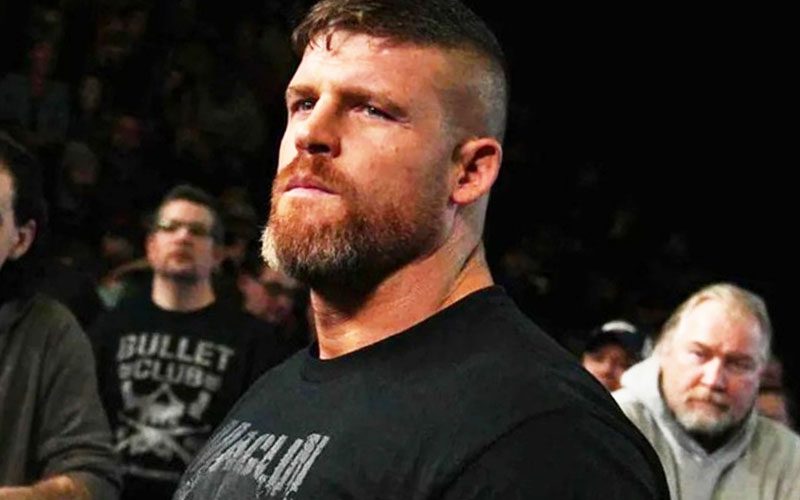
Losing a performer of Maclin's caliber mid-match creates a massive void in TNA's creative direction. He was supposed to be the anchor for the post-Sacrifice storylines. Without him, the company now faces a scramble to rebook segments that were designed specifically to leverage his current momentum.
Management now faces a tricky decision regarding the vacant spot in the hierarchy. Do they elevate a mid-card talent prematurely or push the existing champions into a filler feud? History shows that rushed creative pivots rarely stick, often leading to audience apathy until the featured star returns to the scene.
The wider industry optics
This incident reinforces the ongoing conversation about ring safety in professional wrestling. Independent and mid-level promotions have historically struggled with consistency regarding on-site medical response. TNA’s swift decision to kill the match at the 14-minute mark should be recognized as a standard-setting choice.
Recent outcomes for other stars dealing with similar head injuries, like those seen in higher-budget organizations, suggest a return timeline of four to six weeks if symptoms stay manageable. Anyone predicting a swifter comeback ignores the reality of traumatic brain injuries in a contact-heavy performance art. Maclin’s longevity depends entirely on how the company manages this recovery period.
The safety of our performers is paramount, and the match was stopped the moment symptoms of a concussion became apparent to the referee.
Critics point out that the promotion's reliance on high-risk spots in main events creates an environment where these injuries are statistically inevitable. If the booking team does not adjust the match styles for wrestlers carrying heavy loads, these medical pauses will happen again. Booking chaos is a secondary concern to the athlete's welfare, but it is a concern nonetheless for the fans expecting a consistent product.
As reported by Wrestling Inc, the immediate cessation of the match prevented further damage. This is the correct outcome. The sport cannot afford to repeat the lapses in judgment observed in previous eras of the business. Fans must now wait for the medical staff to announce the next steps in Maclin's reintegration to the active roster.