Main Event Ruled a No Contest
The main event of TNA Sacrifice didn't end with a pinfall, a submission, or a dramatic swerve. It ended with an abrupt, uncomfortable silence.
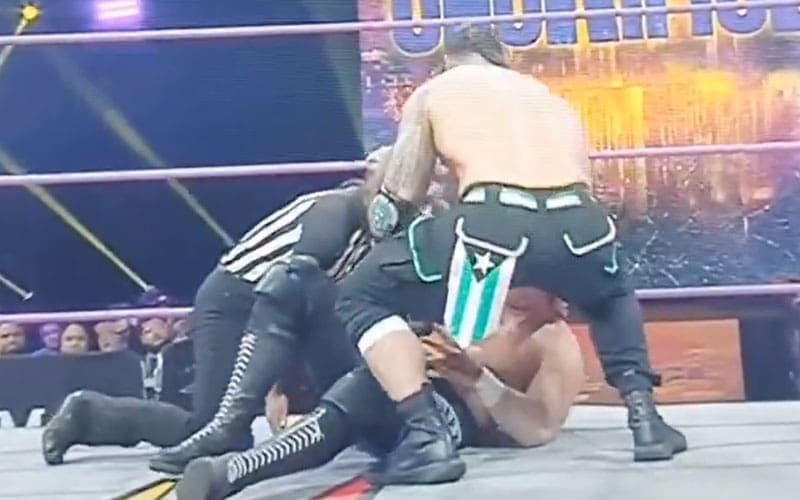
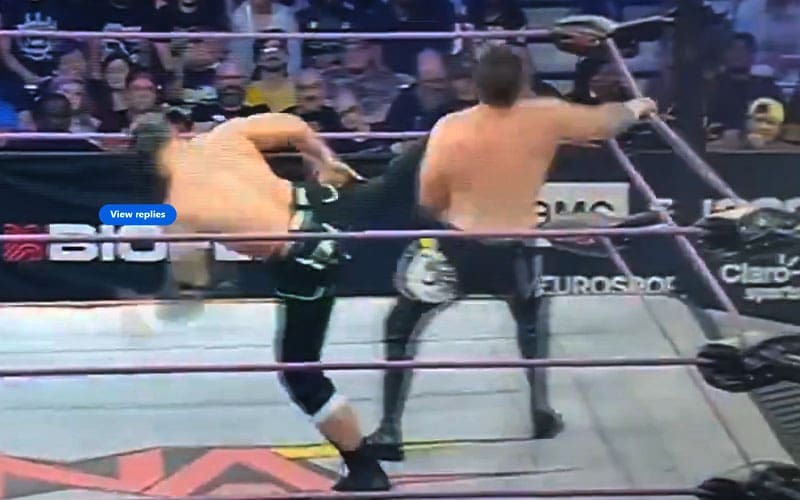
Steve Maclin is currently sidelined and undergoing thorough medical evaluation following a terrifying mid-match stoppage. The former TNA World Champion was taken out during the physical climax of the pay-per-view, prompting an immediate halt to the action.
The bout was officially ruled a No Contest. But the real story is playing out backstage in the medical trainer's room. According to the initial reports leaking out of the building, the immediate situation is grim.
"Steve Maclin’s night at TNA Sacrifice took a scary turn, and now a backstage update is raising concern..." — Ringside News
That initial update from a Ringside News report confirmed the worst fears of fans watching the live broadcast. Maclin's status is now officially a major concussion concern.
Maclin is a notoriously bruising, aggressive worker. His offense is snug, and his bumping is violent. That grounded, hard-hitting style brings inherent risks inside the ropes. On Sunday night, that calculated risk materialized into a worst-case scenario in front of a live crowd.
Referee Alice Lane Draws High Praise
The stoppage itself is becoming a major talking point across the industry, and for good reason. In years past, a wrestler in Maclin's position would have been urged to tough it out.
They would have been expected to drag themselves through the remaining minutes. The goal used to be reaching a sloppy, potentially unsafe finish just to satisfy the television format. That didn't happen at Sacrifice.
TNA Referee Alice Lane saw something she immediately recognized as dangerous. She shut the match down on the spot.
Lane threw up the dreaded "X" symbol with her arms, signaling a legitimate medical emergency to the back. Her decision to wave off the main event is already drawing high-profile praise from the leading authority on head trauma in combat sports.
Chris Nowinski, the co-founder of the Concussion Legacy Foundation and a former WWE talent, publicly commended the officiating. Nowinski noted that Lane did exactly what a referee is trained to do in that high-pressure situation.
She protected the athlete when the athlete was physically incapable of protecting himself. When Nowinski speaks out on head trauma protocols, the wrestling industry listens.
His public endorsement of Lane's quick thinking highlights a massive cultural shift in professional wrestling. The dark days of "shaking off" a concussive blow are largely over, provided the officials in the ring are paying strict attention.
The Grueling Concussion Protocol
So, where does this leave Steve Maclin?
The timeline for a concussion return is notoriously unpredictable. There is no standard recovery window like there is for a torn pectoral or a broken ankle. Brain trauma doesn't run on a television booking schedule.
If it is diagnosed as a mild concussion, Maclin could conceivably clear the return-to-play protocol in a matter of weeks. If the trauma is more severe, he could easily be shelved for months.
The mechanics of an in-ring concussion are brutal. It is rarely just the initial impact that causes the damage. It is the sudden deceleration of the brain inside the skull, often followed by a secondary impact against the mat. When a 240-pound athlete lands awkwardly, the whiplash effect can shut the nervous system down instantly. That is exactly what medical personnel are looking to diagnose and treat right now.
Recent history in the sport provides grim context. Bryan Danielson has missed significant chunks of time due to orbital and concussion-related issues. Adam Cole has spoken at length in interviews about the terrifying, month-after-month recovery process he endured after a severe head injury in AEW.
Maclin will now have to pass rigorous baseline neurological testing. He will need to remain completely symptom-free through a tiered progression of resting, light cardiovascular exercise, and eventually, heavy in-ring exertion.
If headaches, dizziness, or nausea return at any stage, the clock resets to zero. Only when he clears every hurdle will TNA's medical staff clear him for physical contact.
TNA's Glaring Roster Depth Issue
This indefinite timeline throws a massive wrench into TNA Wrestling's immediate creative plans. Maclin isn't just another guy on the roster sheet. He is a foundational piece of their main event scene and a reliable television anchor.
Since his departure from WWE several years ago, Maclin has completely rebuilt his industry value. He transformed himself from a forgotten undercard tag team act into a legitimate, main-event heavyweight.
Maclin has spent the last three years proving he belongs at the top of the card. He outworked his critics and forced TNA management to build the brand around his rugged aesthetic. Losing him right as the company tries to build momentum heading into the summer months is a devastating logistical setback.
He carries long promotional segments. He anchors major pay-per-views. He is trusted to work safely with the company's top stars.
TNA relies heavily on his consistency to carry the top of the card. With Maclin sidelined for the foreseeable future, the promotion faces a glaring and immediate depth issue.
This is the harsh reality of TNA's current roster construction. They possess excellent top-tier talent, but the roster is remarkably top-heavy. When a workhorse like Maclin goes down unexpectedly, the drop-off to the next available heel challenger is dangerously steep.
Who steps up to fill the void on Thursday nights? Moose is already occupied with his own high-profile feuds. Nic Nemeth is positioned elsewhere on the card and generally works as a babyface. The matchmakers in the back are essentially looking at a blank whiteboard for their top-line feuds.
The creative team will have to scramble aggressively to fill the television time that Maclin was slated to dominate heading into their next set of tapings.
We will likely see TNA forced to pivot to a makeshift program. This might mean elevating a mid-card talent before they are truly ready for the main event spotlight. It might mean rushing a returning star into a prominent spot just to put a recognizable face on the promotional posters.
Neither option is ideal. Rushing talent rarely produces compelling television. But when your pay-per-view main event ends in a sudden medical stoppage, ideal booking goes out the window. TNA has to survive the next set of television tapings with a massive hole in their script.
Looking Ahead
However, the primary focus right now isn't on the creative fallout or the television ratings. The sole priority is Steve Maclin's neurological health.
Concussions are strictly accumulative. Every subsequent head injury a wrestler suffers is easier to sustain and significantly harder to recover from. While the full extent of Maclin's previous concussion history isn't entirely public, any traumatic brain injury sustained on a canvas mat is a red alert for a performer's long-term quality of life.
TNA management will be holding their breath waiting for the final medical test results. A long-term absence extending past a month would be a brutal blow to their spring programming schedule and their upcoming live events.
For now, the wrestling world simply has to wait. The Sacrifice main event ended in a No Contest. The medical evaluation is ongoing behind closed doors. The backstage concern is very real and entirely justified.
The only genuinely positive takeaway from the conclusion of TNA Sacrifice is the quality of the officiating. Referee Alice Lane recognized the imminent danger, ignored the pressure of a live pay-per-view broadcast, and acted decisively.
She likely saved Maclin from further, potentially catastrophic harm by refusing to let the match continue.
That zero-tolerance approach to head injuries is the standard every single wrestling promotion should demand from its officials. TNA got that crucial part right on Sunday night. Now, they just have to figure out how to navigate the messy reality of the fallout.