The Drill Sergeant trade-off
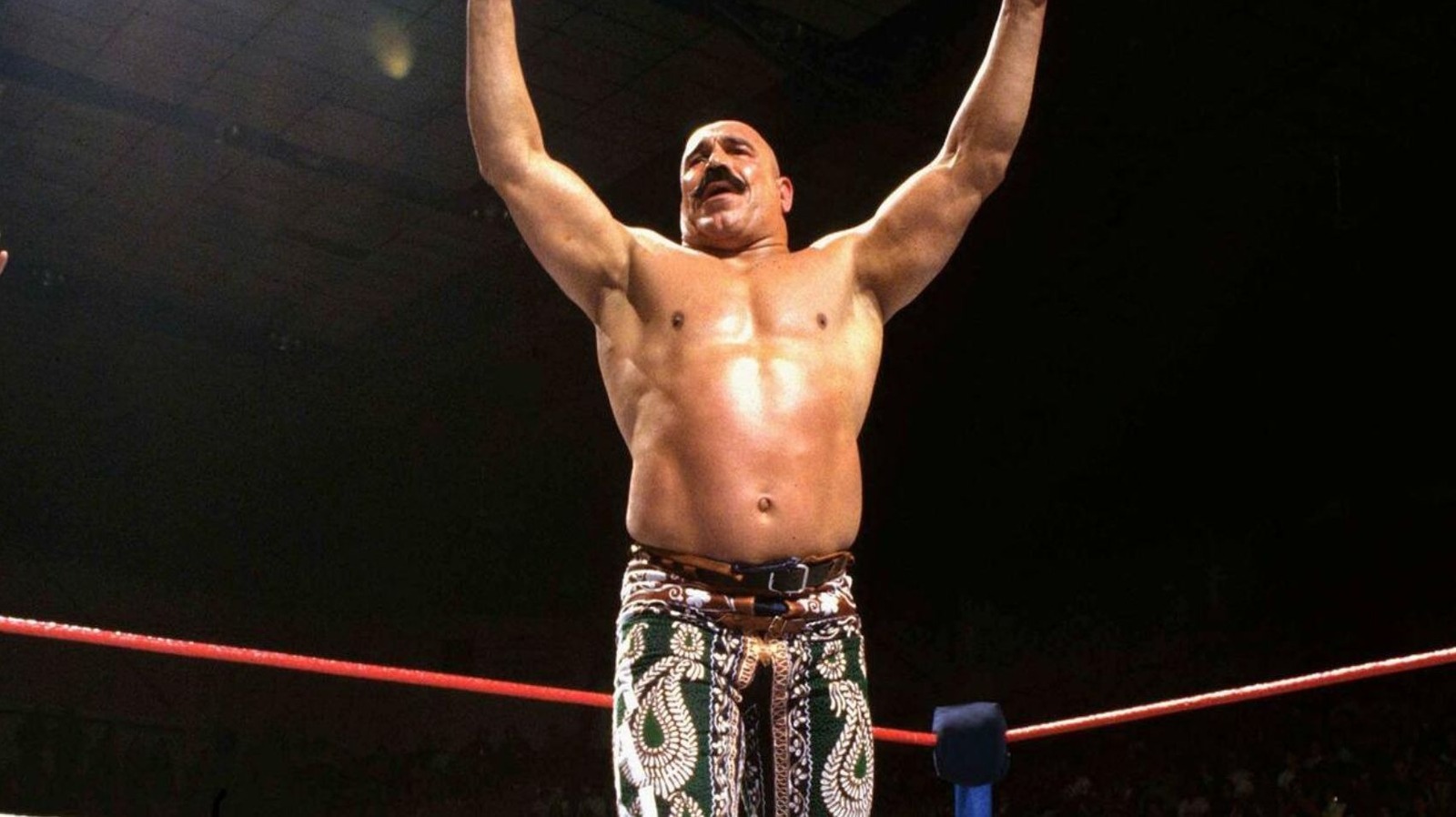
Hollywood has long harbored a fascination with wrestling legends, and the latest iteration involves a potential film project focused on Sgt. Slaughter. A casting call recently surfaced seeking an actor to portray a “sadistic military figure” in a project heavily linked to the Hall of Famer’s persona.
This move feels like a desperate attempt to monetize a legacy that peaked in the mid-1980s. While nostalgia sells, the transition from the squared circle to the silver screen rarely captures the nuance of a character who was built on hyper-specific, regional charisma. Watching a performer attempt to replicate that level of raw aggression outside of a wrestling ring often feels hollow.
The shadow of the gimmick
The core danger here lies in how the script handles the “sadistic military figure” trope. Wrestling history is littered with failed biopics and projects that lean too heavily on kayfabe-inspired archetypes. If the production ignores the genuine, grueling travel schedule and the physical taxes paid in small-town armories, it will fail to connect with anyone who truly values the history of the business.
There is also the matter of the casting approach itself. According to recent reports regarding the casting call, the search is leaning toward finding a lookalike rather than a nuanced actor. Relying on superficial aesthetics over character depth is a classic shortcut that usually yields a predictable, lackluster final cut.
The credibility gap
Let’s be honest: wrestling biopics suffer from a lack of grit. They tend to sanitize the substance abuse, the volatile locker room politics, and the sheer absurdity of being a full-time heel during the territory days. If this movie focuses on the cartoonish caricature of the Slaughter character at the expense of the man behind the camo, it will serve little purpose beyond being a glossy, hollow product.
I am skeptical this project reaches anything beyond a niche audience. If the script sacrifices the gritty reality of the 1980s wrestling circuit for cinematic spectacle, it risks becoming irrelevant—a relic of a bygone era presented with 2026 digital polish. We deserve a real deep dive into the industry mechanics, not another glamorized retread of a Hall of Fame career.
My prediction? Unless the director leans into the dark, competitive insanity of the era, the film will likely bomb in post-production and end up as a direct-to-streaming afterthought. It’s an ambitious swing, but unless the production team moves away from the “sadistic” tropes and into the actual history of the character, the box office returns will be less than 5 million dollars on the opening weekend.