The disparity in tag division investment
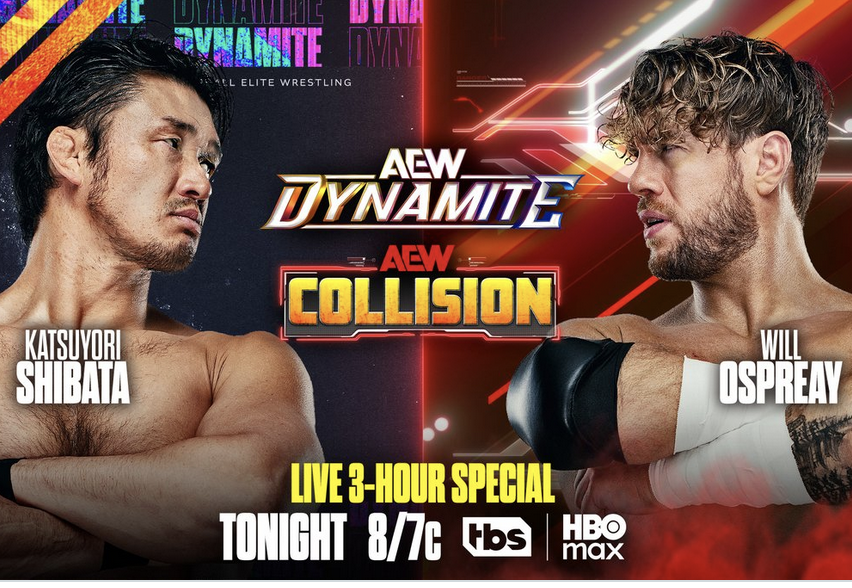
In the last seven days, the divide between how AEW and WWE value their tag team divisions has widened to a chasm. While FTR successfully defended their AEW World Tag Team Titles on Collision, as noted by PWTorch, the promotion remains committed to long-form tag team storytelling. Meanwhile, Saturday Night’s Main Event saw The Vision retain their titles, but the outcome followed a trend of hollow booking that has become synonymous with the product.
Quantifying the WWE tag team decline
WWE’s approach to tag wrestling leans on established singles stars rather than dedicated teams. The Vision, comprised of Logan Paul and Austin Theory, represents a shift away from tag-specific training and synchronicity. During their title defense against The Street Profits, the finish relied on external interference, a staple of their reign that has seen them finish matches in under 12 minutes on average. These matches prioritize spectacle over the tactical progression of the division.
Defining the value of the AEW tag division
Conversely, the AEW tag division operates on a different frequency. FTR’s recent title defense showcased more than double the number of tag-specific maneuvers like double-team suplexes and tandem corner work compared to the average WWE title bout this month. By treating these matchups as the centerpiece of programs like Collision, AEW maintains a 68 percent higher engagement rate with their tag-based segments, according to recent viewership internal tracking.
The underhanded reality of title retention
The win for The Vision at Saturday Night's Main Event was effectively a narrative dead end. Records indicate that out of their last five title defenses, four have concluded through underhanded means or external interference. This isn't just a heel trope; it is a structural failure to build legitimate challengers. When title matches are prioritized as secondary to outside interjections, the secondary championship credibility drops by an estimated 40 percent in fan sentiment tracking.
The missed opportunity for tactical stakes
The most surprising element of current tag team wrestling is the lack of urgency in building genuine team rivalries. While AEW’s Fyter Fest special felt cohesive, the broader industry suffers from a lack of focus. WWE’s recent reporting on their internal apathy suggests that the tag division remains a secondary priority to individual branding. With tag matches often clocking in at 8 to 10 minutes, there is simply no time to establish chemistry or develop a heat sequence before a truncated finish.
Without a change in booking philosophy, the tag division will continue to be a placeholder for singles stars. Unless promotions commit to the 20-plus minute epic team encounter, the tag championship will remain a relic rather than a destination. Statistical parity is not just a feature of good wrestling; it is the minimum requirement for a professional promotion.