The structural decline of tag team wrestling
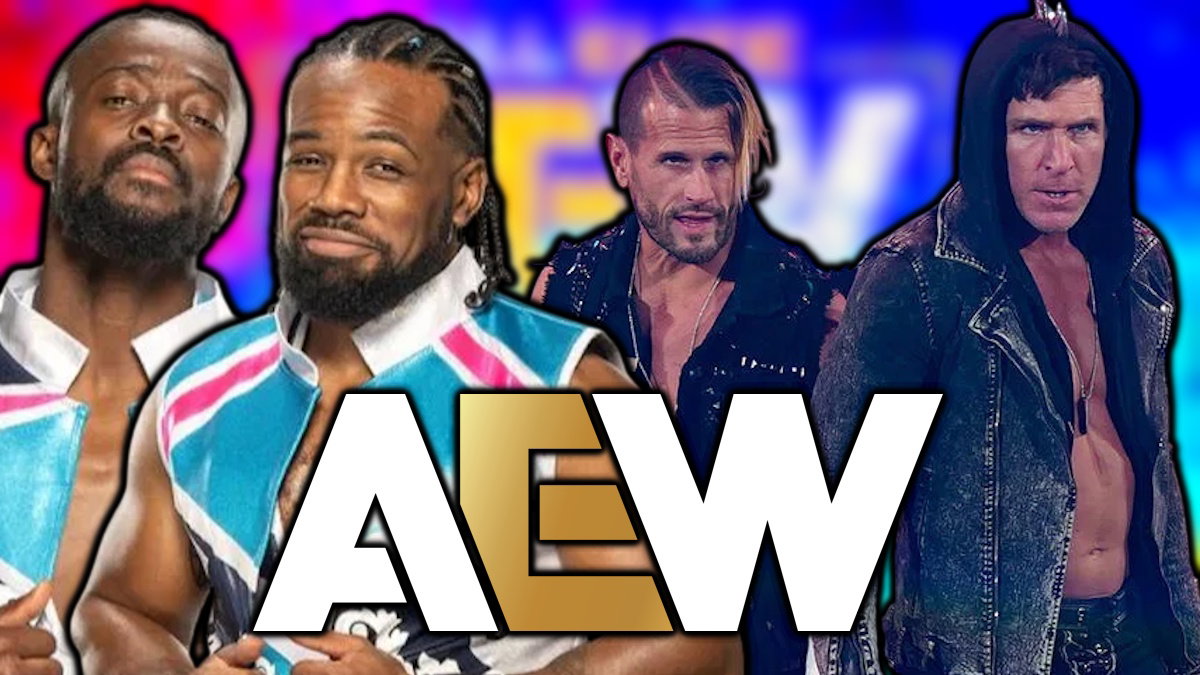
The tactical divide between how AEW and WWE manage their tag team divisions has solidified into a permanent chasm. In the last seven days, we have seen two wildly different approaches yield equally frustrating results. While FTR successfully defended their AEW World Tag Team Titles on Collision, recent reporting on AEW Collision highlights a promotion struggling to balance its high-octane workhorses with coherent storytelling.
WWE, conversely, is treating its tag championships as mere accessories to the primary singles titles. As the company prepares for its European summer tour beginning May 28 in Liverpool, the logistical focus is entirely on the main event picture. Tag teams are currently being squeezed into the mid-card void, serving as fodder for stable building rather than tactical units with their own narrative trajectory.
The human cost of brand tribalism
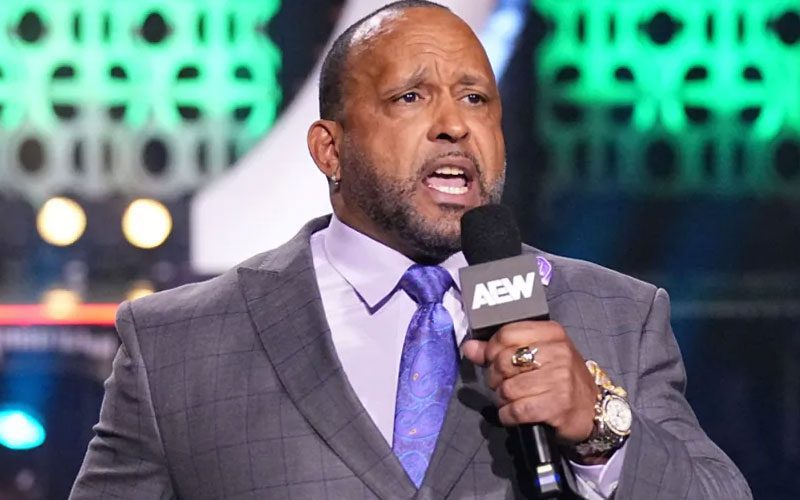
Market fatigue is setting in alongside the booking inconsistencies. MVP recently pointed out the exhaustion surrounding the AEW versus WWE war, noting that the binary hostility among fans is obscuring the actual product quality. When the audience stops analyzing technical execution and starts measuring success through the lens of company loyalty, the matches suffer.
We see this in the shrinking attention span for non-title tag bouts. When teams are thrown together without a clear reason, the pacing suffers and the psychology vanishes. FTR remains the gold standard for methodical, tag-focused storytelling, yet even they struggle to move the needle when the rest of the division feels ephemeral and disconnected.
The logistical pressure on Cody Rhodes
The upcoming European tour places immense strain on current champions. WWE is moving its entire operation across the ocean for a sprint that starts at the M&S Bank Arena, leaving little room for error. If the creative team cannot provide a compelling reason to tune in, the fatigue of the tour will show in the crowd reactions.
Cody Rhodes currently faces the most scrutiny as he heads to Liverpool. His title run is starting to show cracks, not due to his in-ring ability, but due to the lack of fresh, credible challengers who haven't already been cycled through the main event machinery. Scaling a promotion during a summer tour requires more than just high-profile names; it requires a rotation of talent that feels physically dangerous to the top of the card.
Predicting the shifting momentum
Expect the Liverpool opener on May 28 to be a litmus test for the roster's depth. If the tag matches continue to feel like fillers between main events, the criticism will only increase. Tactical variety is lacking, and the reliance on standard tropes—interference at the 15-minute mark or the double-countout finish—is reaching a breaking point.
My prediction for the tour? We see a pivot. WWE will be forced to elevate at least one tag team to a high-profile feud within the next three weeks to alleviate the burden on the singles champions. If they fail to do so before the tour hits its climax, they risk losing the audience's attention during the summer months when momentum is harder to regain.