WWE’s Monday Night Raw is stuck in a holding pattern
The monotony of the current mid-card trajectory
The latest announcement regarding the upcoming edition of Monday Night Raw reinforces a persistent issue within the company's creative direction. We are seeing a reliance on predictable pairings rather than building toward tangible, long-term narrative payoffs. When the official lineup for Raw drops, seasoned viewers are increasingly met with a sense of déjà vu. The focus remains locked on safe, repeatable television segments that prioritize filling three hours over advancing high-stakes story arcs.
The analytical failure of the filler match
From a tactical standpoint, the booking of Raw currently suffers from a lack of logical progression in match stipulations. We witness recurring encounters where the finish serves no purpose for the broader championship picture. There is little technical variety in the pacing of these segments. For example, a 15-minute opening contest often resolves via a roll-up or a standard interference spot, which resets the win-loss momentum for both parties involved. This effectively nullifies the stakes that are theoretically established in the pre-match promos.
Consider the lack of continuity in how secondary titles are treated. Without specific challengers rising through a verifiable tiered system, the mid-card becomes a rotating door of talent who trade wins without consequence. When you look at the stats of these performers, the parity is actually an indictment of the creative process. If everyone is 50-50, nobody gains the necessary heat to transition into the main event scene.
Missing the mark on character development
The reliance on the same rotating cast of names for promotional spots prevents newer talent from finding their footing. We see characters undergo personality shifts on a bi-weekly basis without any causal justification. A wrestler might switch from a technical babyface to a brawling heel after a single missed interference, ignoring the weeks of effort spent establishing the initial direction. This inconsistency is a direct friction point for the audience.
We also need to address the structural reliance on non-wrestling segments that bloat the runtime. Spending 20 minutes in a talking segment is only effective if it drives a match toward a definitive conclusion. Too often, these segments merely lead to another tag team match where the only objective is to kill time until the end of the hour. It is a formulaic trap that avoids the urgency of true sport-based storytelling.
Where the booking misses the opportunity
There is a real opportunity to elevate the product by implementing a more rigorous approach to performance analysis within the segments. Tracking moves that actually lead to sustained momentum would transform how fans watch a match. Instead of a series of big spots, the narrative should rely on limb work or targeted dismantling of an opponent's finisher. The current product rarely emphasizes this level of detail, choosing instead to favor high-octane sequences that look impressive but lack coherent narrative structure.
As we approach the summer months, the pressure to maintain consistent quality is peaking. If the upcoming Raw episodes do not pivot toward high-consequence encounters, the stagnation will only worsen. Fans are looking for a reason to invest their three hours, not just a series of events that reset by the time the following week arrives.
WWE Undisputed Championship Mini Replica Title
A 12-inch heavy metal replica of the current top prize in WWE.
Frequently Asked Questions
What is the main criticism of current Monday Night Raw booking?
Why do repetitive match finishes negatively impact WWE storylines?
How does 50-50 booking affect the WWE roster?
What issues exist with character development on Raw?
How could WWE improve its current in-ring storytelling?
More Coverage

Drew McIntyre sidelined following brutal SmackDown encounter
2 hours agoWWE's New York gamble is a calculated risk ahead of WrestleMania 42
3 hours ago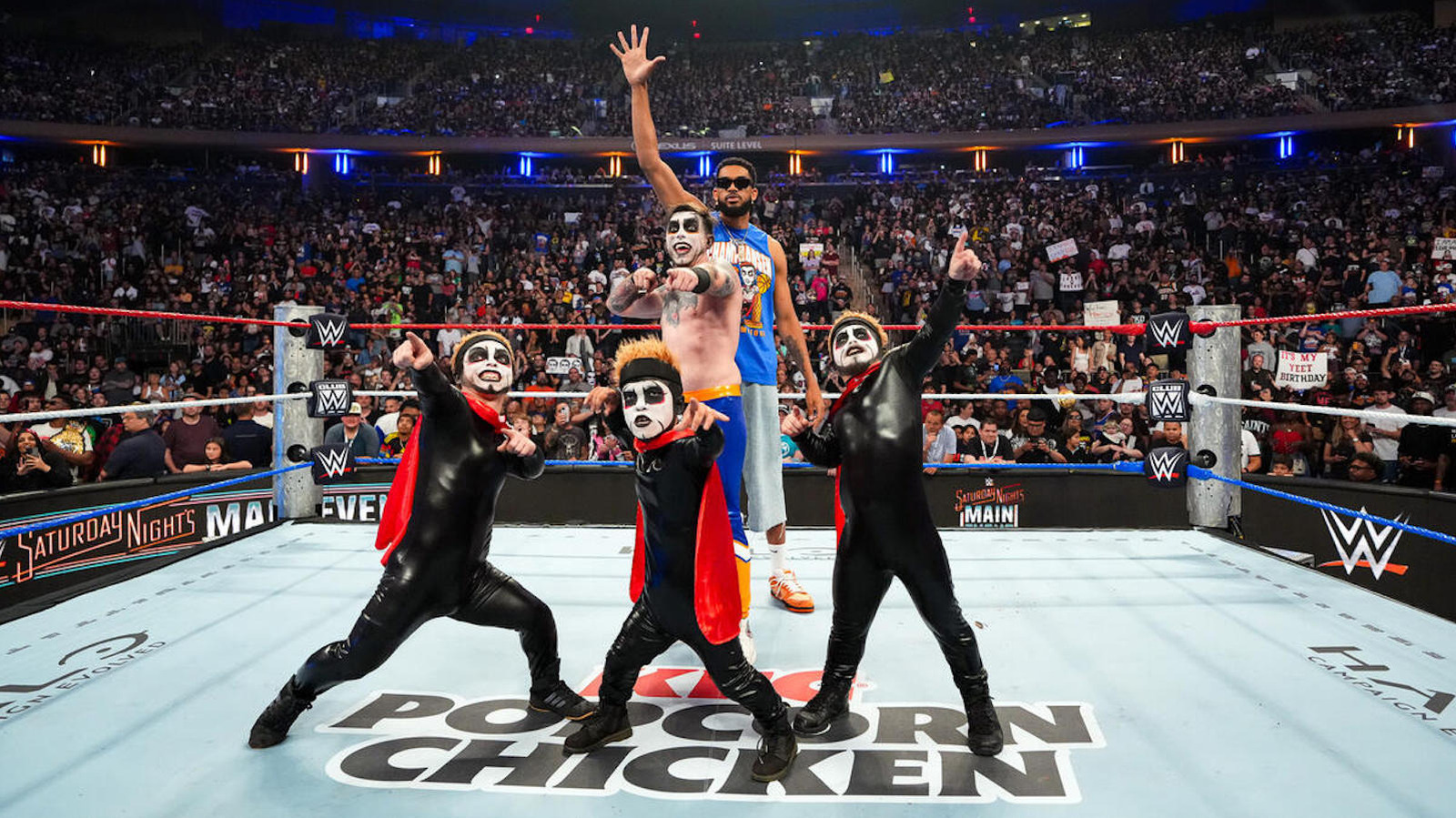
WWE's Saturday Night's Main Event math doesn't add up
3 hours agoWWE's return to New York changes the math on stadium attendance
3 hours ago
Top 10: Top Moments from MSG
3 hours ago
SmackDown is drifting into mid-summer malaise
4 hours agoMore Analysis
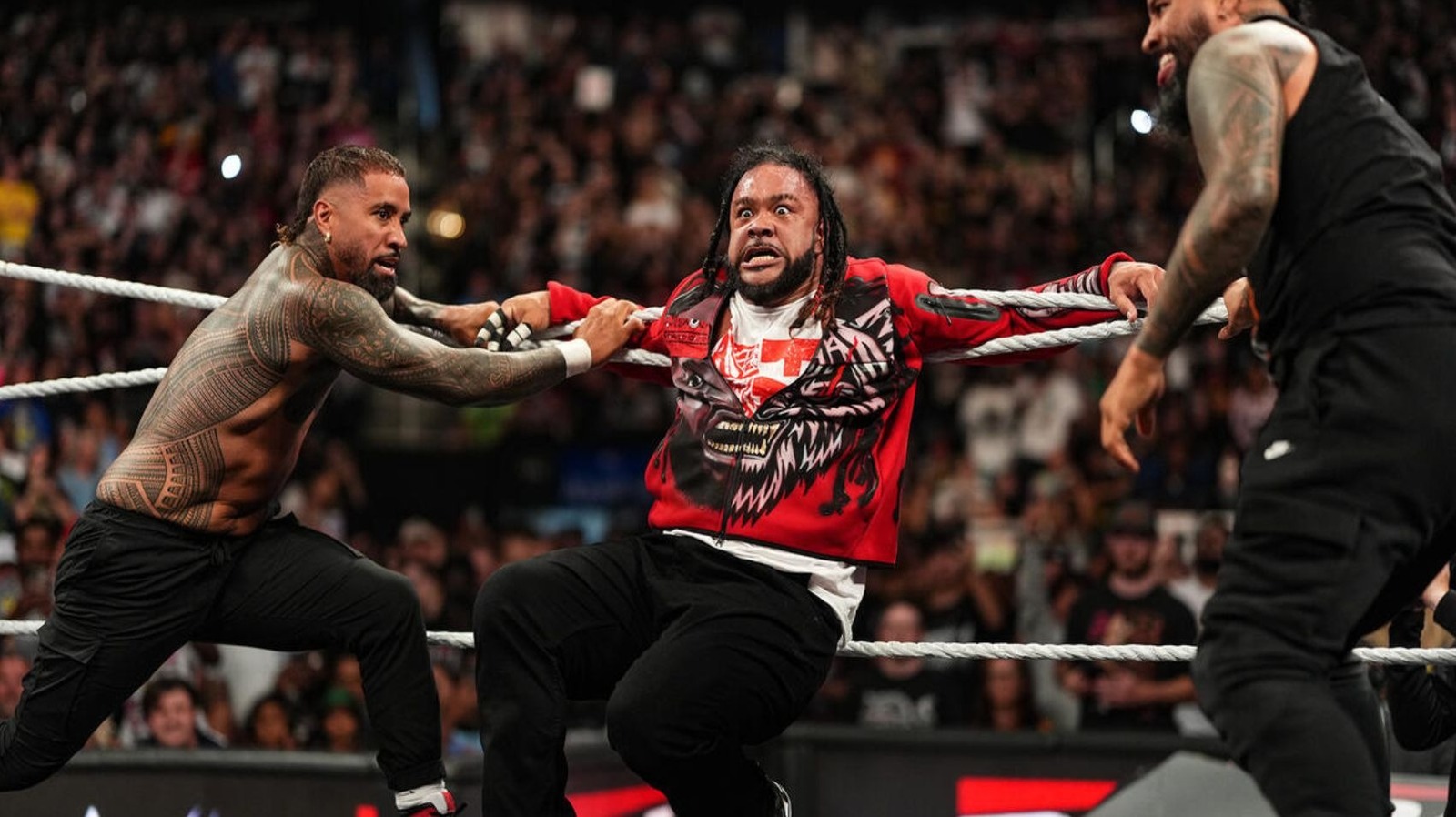
WWE's Raw momentum is stalling at the worst possible time
1 month, 3 weeks agoRaw is becoming a graveyard for tag team momentum
1 month, 3 weeks agoWWE RAW is trapped in a midsummer identity crisis
5 days, 2 hours agoRaw is back to basics and fans should be terrified
2 months, 3 weeks agoWWE's latest Raw report proves they are bored with their own booking
5 days, 10 hours ago