The disconnect between creative vision and corporate reality
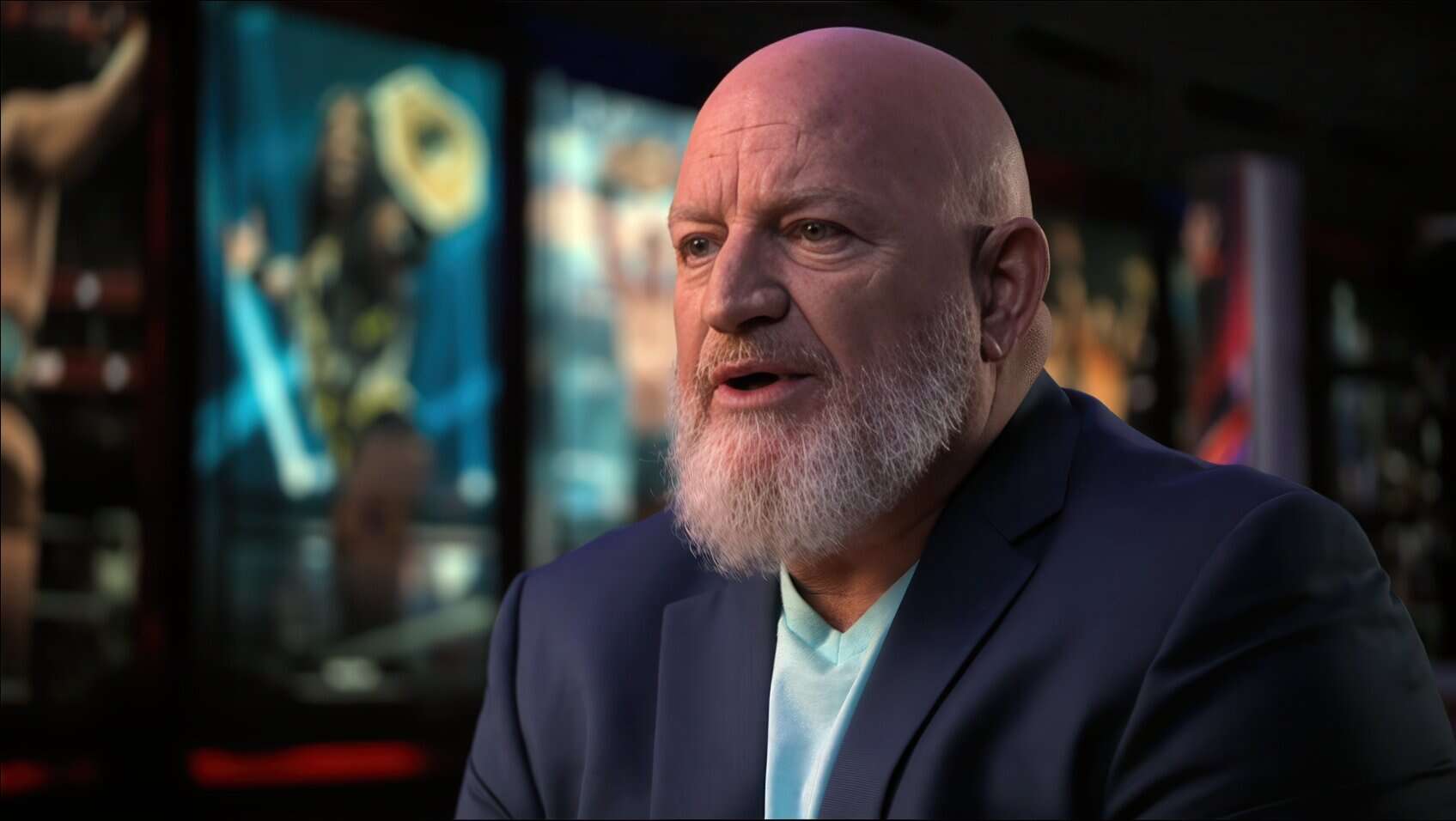
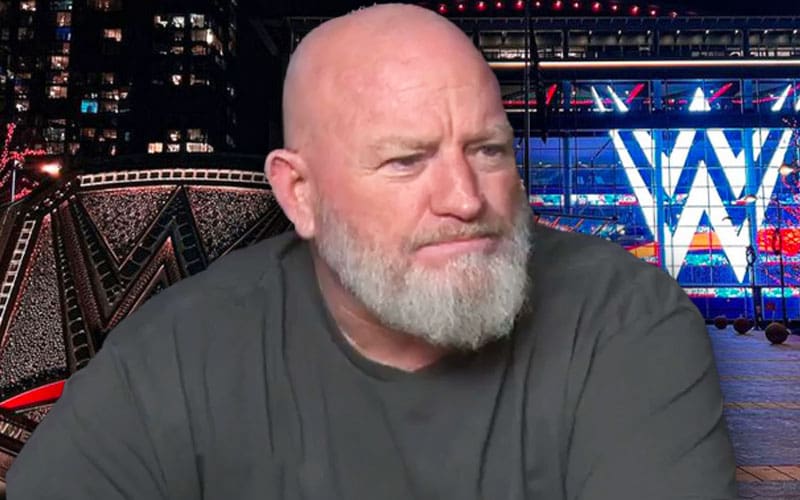
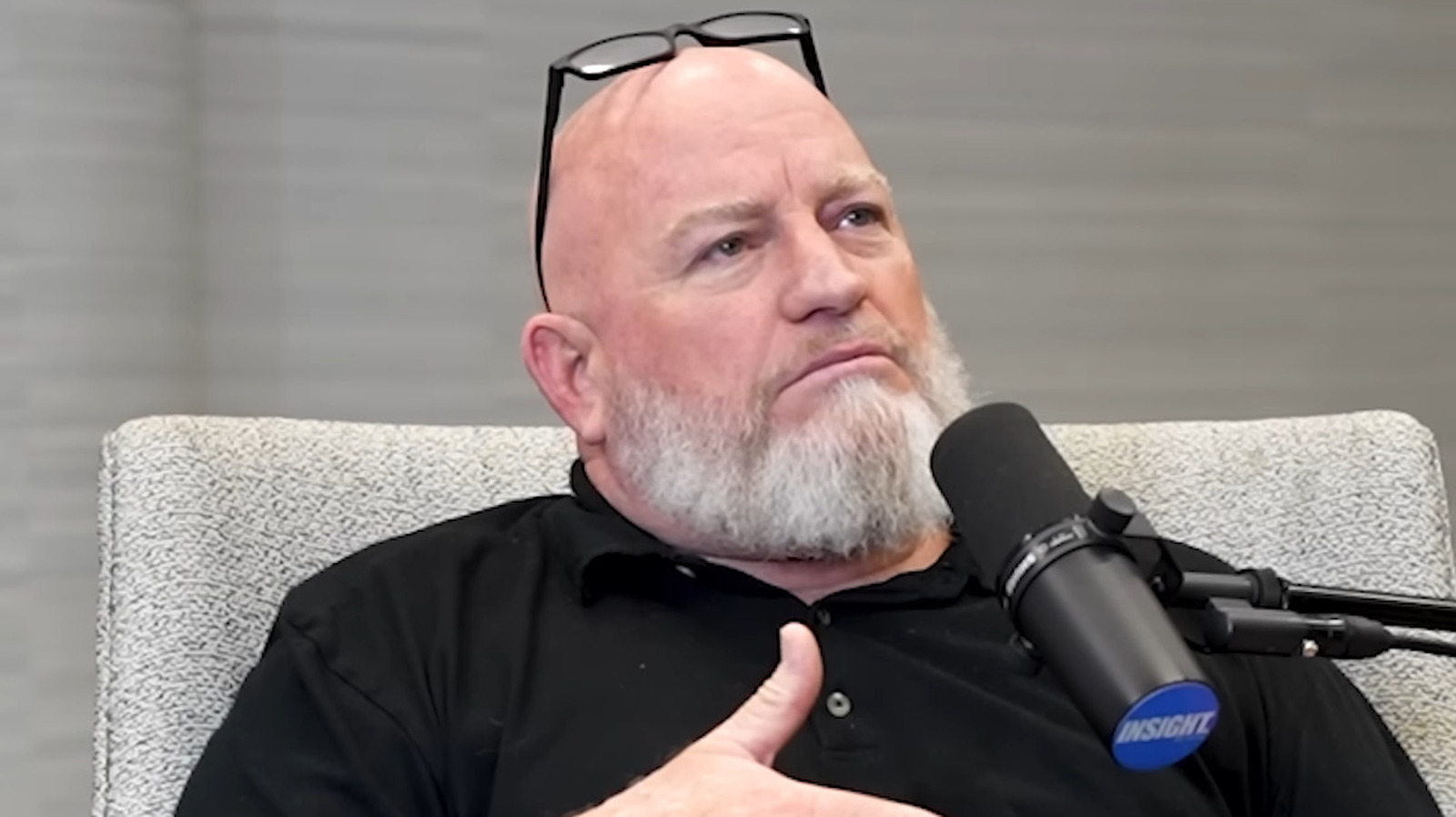
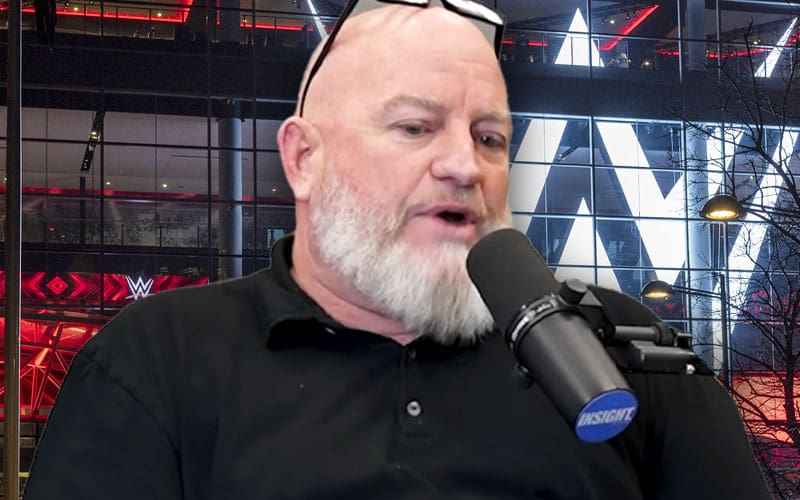
The recent revelations from Road Dogg regarding his exit from WWE are not just another entry in the long ledger of backstage departures. They point to an underlying erosion of the creative spark that once defined the organization. When a Hall of Famer openly admits he stopped having fun, it is a red flag for the entire operation.
His assessment is damning. He characterized his final stretch with the company as a money grab, a stark shift from the days when the product felt driven by passion rather than quarterly fiscal targets. That transformation has filtered down through the writing team and into the ring.
Statistical evidence of a stalling engine
Look at the content patterns over the last quarter. We see increasing reliance on scripted promos and repetitive multi-man tag team matches. These choices often prioritize efficiency over engagement, leading to a noticeable drop in crowd interaction during segment transitions.
The scheduling has become a grind, and the lack of a clear long-term narrative trajectory is obvious. When veterans feel their input is no longer hitting the mark because the decision-making process has shifted, you get the stagnation we see on screen today. The talent is there, but the tactical execution feels uninspired.
Why the 'money grab' label matters
Road Dogg’s claim that he simply felt he wasn't needed anymore isn't just personal bitterness. It speaks to a bloating of the creative staff, where too many voices lead to a diluted final product. This results in characters who gain momentum for two weeks, only to disappear into the mid-card doldrums for 30 days or more while the main event circle remains locked in a loop.
You can see the cracks in the match pacing. Matches that should be sprints to establish dominance start with 4 minutes of rest holds. It forces athletes to work twice as hard to regain control of a bored audience. This is a booking failure, not a talent one.
The cost of losing institutional memory
When you detach from the people who built the foundation of the style, you lose the subtle cues that make a match work. The nuance of a well-timed heel turn or a logical transition from a high-impact spot is vanishing. We are left with a polished exterior but an hollowed-out competitive identity.
The product currently feels like a series of disconnected advertisements for pay-per-view events rather than a coherent story. If the creative lead feels like a cog in a machine that only cares about the bottom line, it is inevitable that the viewer will feel the same detachment.
Final judgment
I predict that unless there is a radical shift toward empowering creative leads again, audience engagement metrics will continue to dip by 8 percent over the next two quarters. The current structure is not built for longevity; it is built for a short-term cash injection that will leave the roster burnt out and the fans cynical by the year's end.