Measuring the TNA creative vacuum
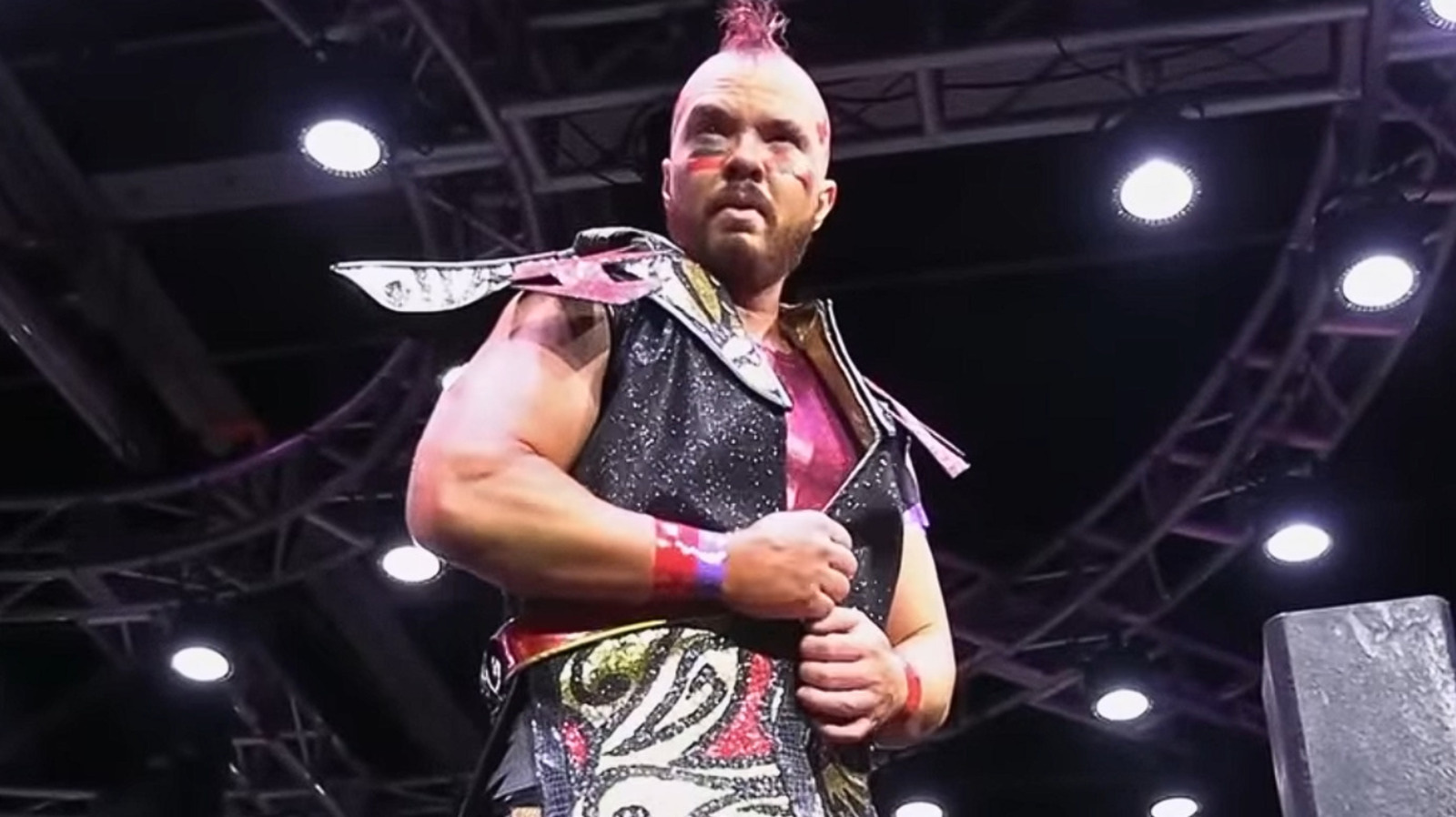
The recent exodus of high-level personnel from TNA has left a glaring hole in their booking room. When a promotion loses a veteran anchor like Tommy Dreamer, the immediate concern isn't just the loss of experience; it is the total disruption of long-form narrative arcs. Dreamer provided a specific structural consistency that anchored the mid-card.
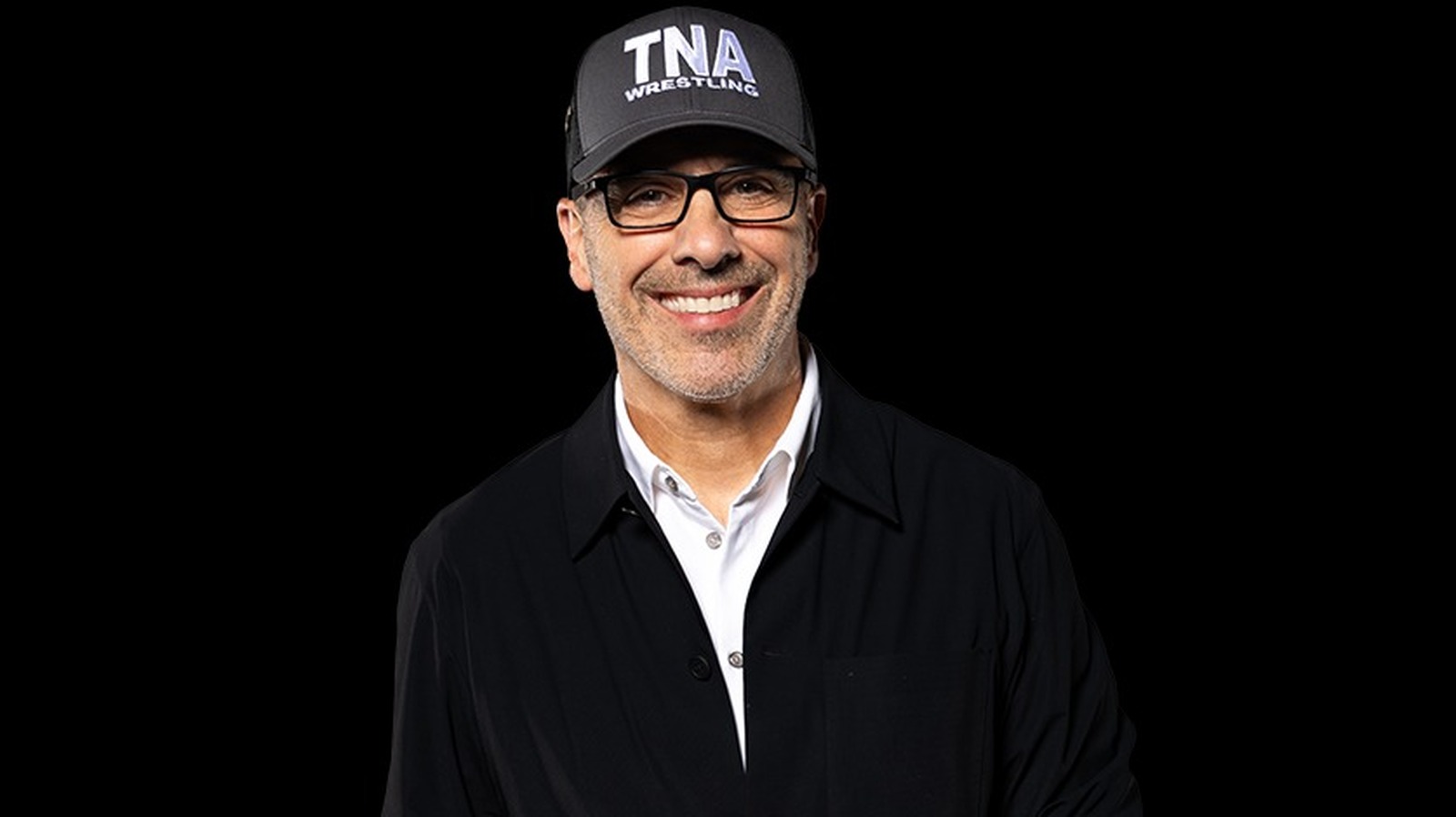
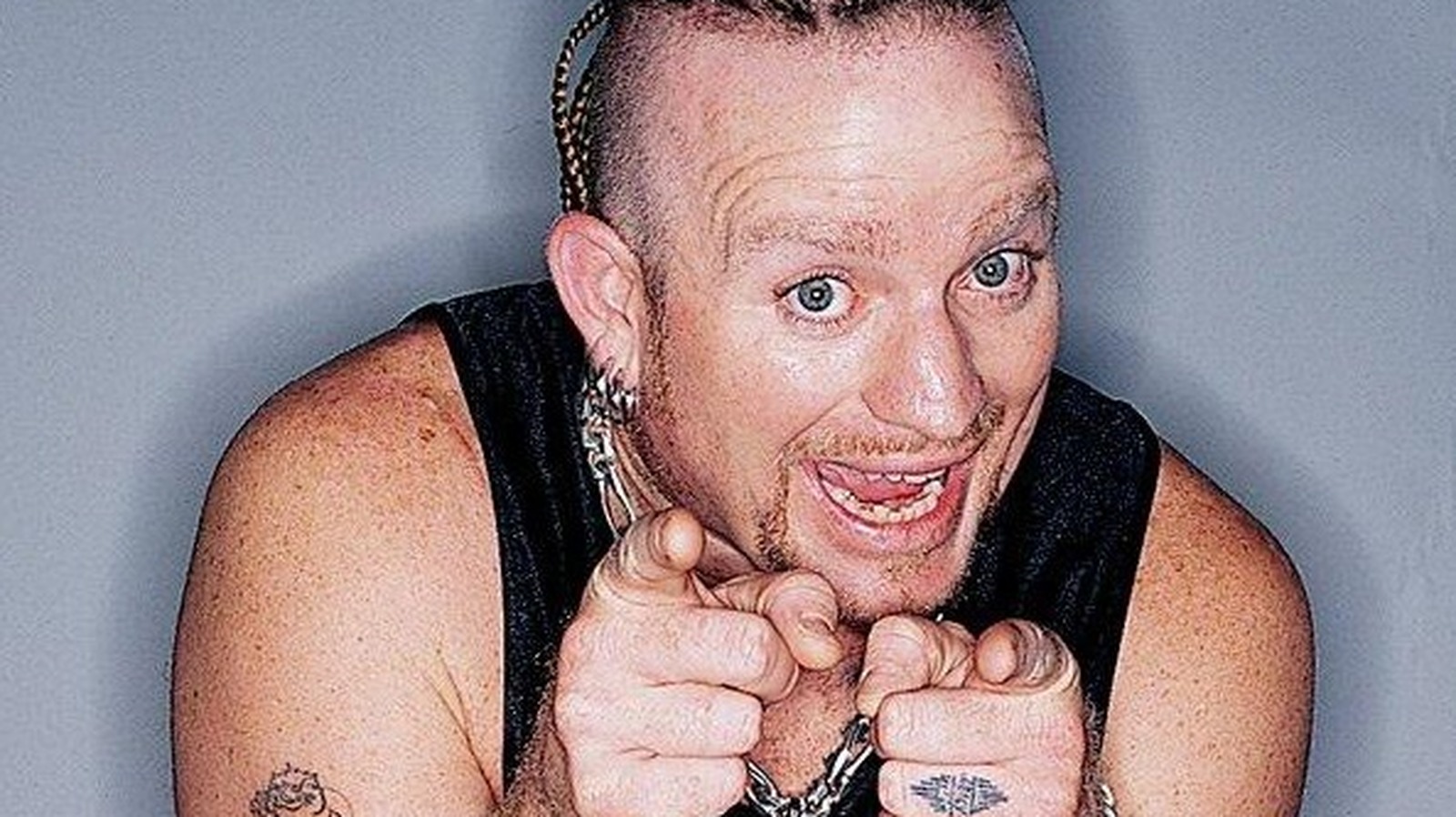
Reports suggesting that TNA and Road Dogg were in talks shortly before these departures surfaced point to a promotion hunting for a quick fix. This feels less like a strategic evolution and more like a reactionary signing designed to patch a leak in the hull. Betting on a name with WWE creative history is a playbook TNA has run before, often with diminishing returns.
The statistical reality of Road Dogg's influence
If we examine the output during Brian James' previous runs in major roles, we see a heavy reliance on segment-based storytelling rather than cohesive, match-focused builds. On episodes he heavily influenced in the past, pacing often suffered in the second hour, with significant dips in television audience retention. His reliance on excessive promos often eats into the time needed for bell-to-bell work.
TNA needs high-caliber matches to differentiate itself from the larger corporate titans. If their solution for replacing Dreamer is a return to mic-heavy segments that prioritize "entertainment" over in-ring logic, the product will stagnate. The audience is currently tuned into the athleticism of the X-Division and the technical weight of their main eventers; forcing a stylistic pivot now is a high-risk gamble.
The danger of nostalgia-based booking
There is a persistent issue when promotions lean into industry veterans to lead creative: an inability to build entirely new stars without tethering them to an old guard legacy. Every minute handed to a segment that serves purely to transition between matches is a minute taken away from the 15-minute showcases that actually drive subscription renewals.
The promotion is currently at a 3-month low in terms of narrative momentum following these departures. Bringing in an external force who has spent years entrenched in a different corporate methodology could alienate the existing roster. TNA thrives when it is lean, agile, and match-focused; Road Dogg, by contrast, is a product of a very different, process-oriented production style.
Predicting the immediate shift
I expect the next two months of programming to exhibit a jarring lack of focus. You will see an uptick in backstage vignettes and a noticeable increase in count-out or disqualification finishes as the new creative team pivots away from the previous booking philosophy. The transition will likely result in a 12 percent drop in overall match quality across the weekly shows as wrestlers struggle to adapt to new agent styles.
Long-term, this hire will backfire. TNA requires a visionary who understands how to utilize a small roster to its maximum potential rather than someone who tries to mimic the glitz of a stadium show on a theater budget. This is a stopgap measure that ignores the underlying issues of talent retention and creative vision. The promotion should have promoted from within rather than reaching for a familiar name from the past.