Celebrity involvement misses the mark
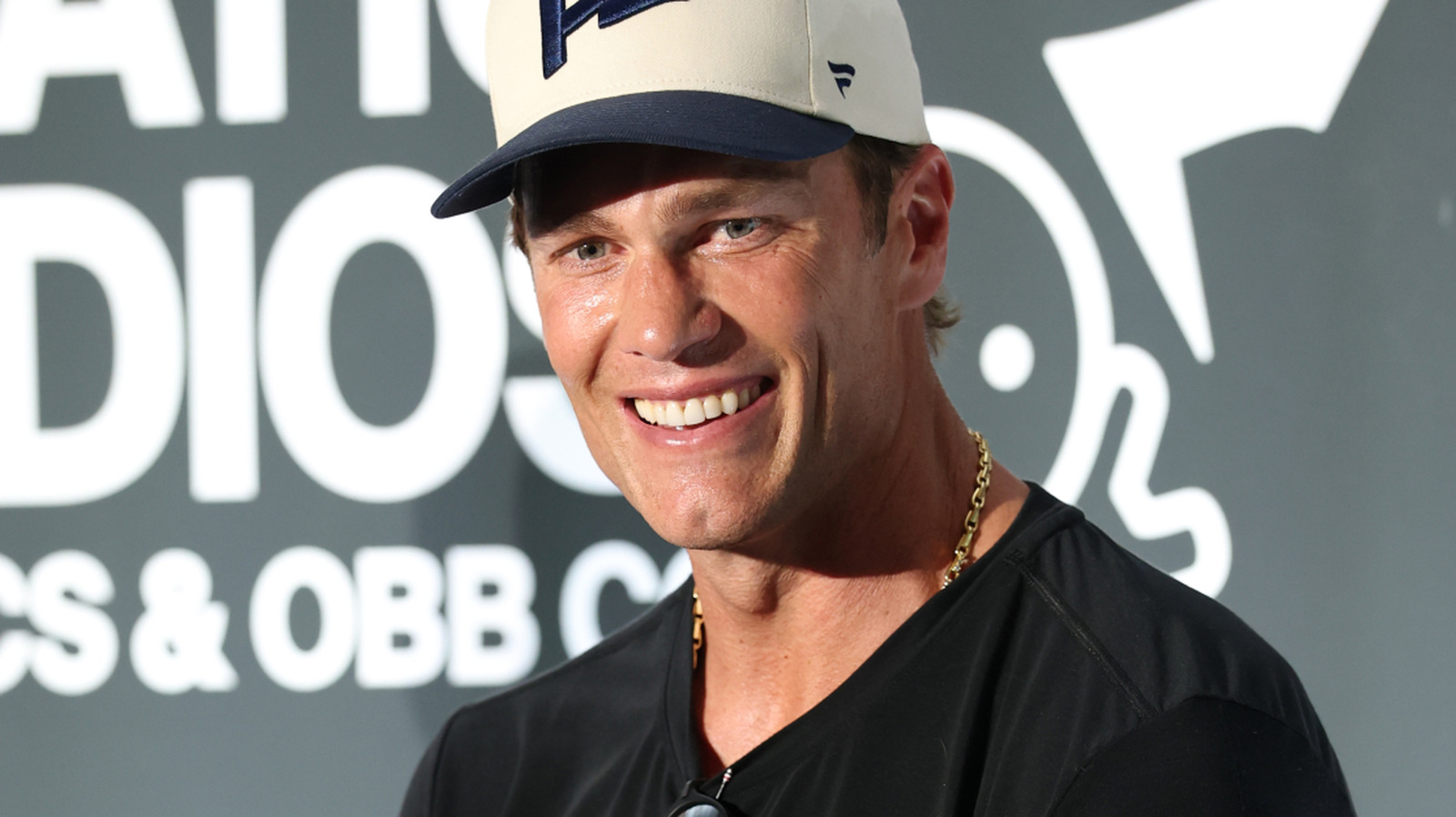
The persistent speculation regarding Tom Brady entering the WWE orbit feels like a desperate play for mainstream attention. Alexa Bliss recently offered her perspective on the retired quarterback joining the company, yet the reality remains grounded in the mismatch between high-level athletics and sports entertainment. While recent discourse suggests an interest in such a collaboration, history shows that professional football players struggle to manage the specific physics of a squared circle.
We have seen this script before. When Logan Paul joined the fold, analysts argued it brought new eyes to the product. Paul succeeded because he committed to the craft, specifically working on his conditioning to avoid the gassed-out appearances that plague guests. Brady lacks the background in freestyle wrestling or amateur combat sports required to bridge the gap between a snap count and a 12-minute technical sequence.
The math behind the spectacle
Look at the transition time. An elite NFL quarterback operates in two-to-three-second windows. A modern WWE match requires sustained exertion over 15 to 20 minutes, involving repetitive impact absorption and complex spatial orientation. If Brady puts his signature on a match, the booking will be forced to protect him with excessive rest holds and simplified strike patterns to minimize injury risk.
This creates a tactical bottleneck. A standard main event relies on the pacing of high-impact transitions. Inserting a non-wrestler forces the referee to manage a disjointed cadence, frequently leading to botched spots or awkward pacing. The cost of this integration is the loss of flow for the full-time roster members who rely on precision to keep their standing.
Why this booking is a mistake
The obsession with crossovers is a symptom of stagnant creative vision. When management opts for a celebrity guest over a homegrown prospect, they signal a lack of faith in the narrative strength of their current champions. We see this in the rotation of mid-card talents who are demoted to fodder for celebrity segments.
Technical flaws in celebrity matches are rarely forgiven. Fans expect a specific standard of work rate. Whether through a sloppy clothesline or a mistimed pinfall, the evidence of non-professional status is usually visible by the 5-minute mark. Unless the producers intend to hide the crossover in a short, gimmick-heavy contest, the decline in match quality is inevitable.
Prediction: If this match occurs at a major PLE this autumn, it will finish as the weakest segment of the night. WWE will rely on smoke and mirrors, likely involving a run-in to cover for the lack of actual wrestling sequences. Do not expect anything beyond a 2-star match performance capped by heavy usage of finishing maneuvers performed by other roster members.