Professional wrestling loses a journeyman
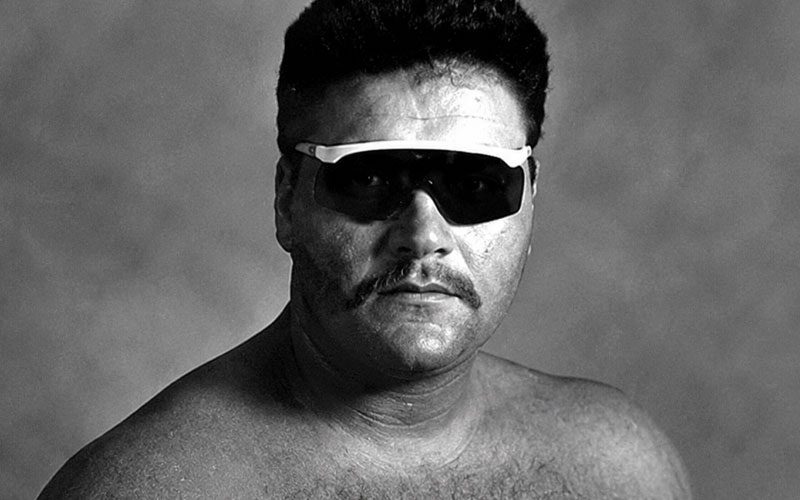
The wrestling industry is mourning the loss of Paul Bykow, known to fans during the 1990s as The Equalizer. Bykow, a dedicated veteran of the independent circuit and the ECW locker room, has passed away. His death marks the loss of a performer who helped bridge the gap between regional professional wrestling and the extreme expansion of the Philadelphia promotion.
Bykow served as a foundational piece of the ECW mid-card during the promotion's transition from Eastern Championship Wrestling to the iconic Extreme Championship Wrestling banner. He worked a style firmly rooted in the old school, utilizing a technical base that allowed him to work effectively with some of the biggest names in the business during their developmental phases.
The Equalizer in the ECW fold
While ECW is often remembered for its high-flying luchadores and violent hardcore brawls, competitors like Bykow provided the essential tactical work needed to keep shows running. He was a utility player, a professional who understood the psychology required to ground a match before the chairs and tables started flying. His ability to work as a credible foil for rising stars was his signature.
Bykow spent significant time in New Jersey and Pennsylvania promotions, making his mark by bumping reliably and selling for the stars of Tomorrow. He was an example of the kind of work-rate talent that sustained independent television and house shows for decades without needing a top-tier push to command respect from his peers.
Industry reaction and legacy
The sentiment from the locker room regarding his passing highlights a performer who prioritized the craft over the ego. Professional wrestling is a businessbuilt on the backs of thousands of talents who never achieved mainstream superstardom but held the tent poles up during the lean years. Bykow stood out for his reliability.
As PWInsider reported, his influence extended through his work in the regional scene, where he taught younger wrestlers the value of fundamental technical transitions. It is a sobering reminder of the physical cost that pro wrestling demands from those who commit their bodies to the canvas, even those who do not end up on the marquee.
Critics might point to the stagnant nature of the mid-90s ECW undercard as a failure of creative booking, but Bykow was rarely the culprit in stalled storylines. He did his job, took the pins, and ensured that the main events built on his efforts landed with the intended impact for the live crowd. His consistency provided a baseline that kept the company moving through unstable financial times.
Defining the journeyman archetype
The career of Paul Bykow is a blueprint for the journeyman wrestler. He did not seek the spotlight, but rather worked to improve the quality of the product he was involved with regardless of his spot on the card. This is a common story in an industry that moves fast and leaves many behind.
There is a lesson here for the younger generation of talent currently trying to find their footing in a post-territory landscape. You cannot maintain a high-level promotion on stars alone. You need workers who understand ring space, timing, and how to put a heel over without making the product look like a chore to watch.
Most remember his specific approach to the ring—a no-nonsense style that relied on heavy strikes and clean executions. While he never commanded the massive paychecks of modern talent, he commanded something arguably more important: the respect of the men who shared the ring with him.
Final analysis of his career shows a trajectory that mirrored his era. He was a wrestler’s wrestler, someone whose contributions can be measured in the improved performances of those he faced. The industry is poorer today for having lost one of its most dedicated practitioners. His legacy rests in the countless matches where he stepped through the ropes and worked to make his opponent look like the star of the night.
As funeral arrangements become public, expect a wave of sympathy from the veterans who weathered the storm of the 1990s alongside him. It is a closing of an era that few outside the hardcore fan base truly understand, yet one that defined the trajectory of television wrestling for years to come.