Measuring the decline beyond the screen
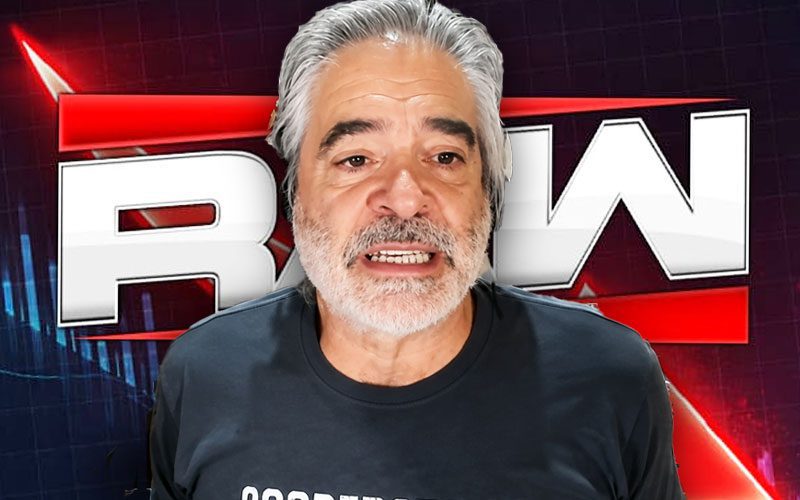
The murmurs from industry veterans about WWE's creative direction have graduated into clear, vocal dissent. When figures like Vince Russo and Jonathan Coachman converge on the same critique, it suggests the internal feedback loops within the company are malfunctioning. The central issue is neither production value nor talent depth, but a missing mechanism for accountability when week-over-week ratings fluctuate downward.
Television metrics remain the primary barometer for the product's health in the eyes of shareholders. Every segment following the 9:00 PM hour, traditionally the peak for cable viewership, serves as a referendum on the current booking philosophy. If the audience drifts away during the transition between the second and third hours, the scriptwriting team is rarely forced to recalibrate their approach. This lack of consequence creates a feedback loop where stale tropes persist simply because they occupy space in a three-hour block.
The disconnect between staff and audience
As Ringside News noted this week, the frustration stems from a system that lacks an audit trail. In professional sports, a coach fails because the data shows a 22% drop in efficiency during high-leverage situations. In wrestling creative, poor segments are often treated as anomalies rather than systemic evidence of poor plot construction or lack of character stakes.
The creative personnel operate in a vacuum where success is measured by the execution of a singular vision rather than the reception of that vision. When a heel turn fails to elicit a reaction, or a babyface championship reign feels stagnant, the response should be an immediate shift in gear. Instead, the current booking often sticks to the pre-scripted path for weeks, forcing viewers to wait for a pay-per-view payoff that rarely hits the desired emotional beats.
Predicting the shifts at the top
I expect the creative brass to face a mirror before the end of the fiscal year. The current stagnation in show pacing—specifically the overuse of scripted interference to bridge commercial gaps—suggests a lazy reliance on old formulas that do not respect the modern viewer’s attention span. There is no urgency in the storytelling.
My prediction for the coming months is a significant tightening of the writing staff. The reliance on bloated segments that do not advance a narrative is a liability. Unless there is a pivot toward streamlined, high-stakes storytelling where every minute of screen time is justified by a tangible consequence, the ratings decline will continue to outpace the company’s ability to market its way out of the slump. Expect a shake-up by the turn of the summer, or expect the decline in viewership to become the defining story of the year.