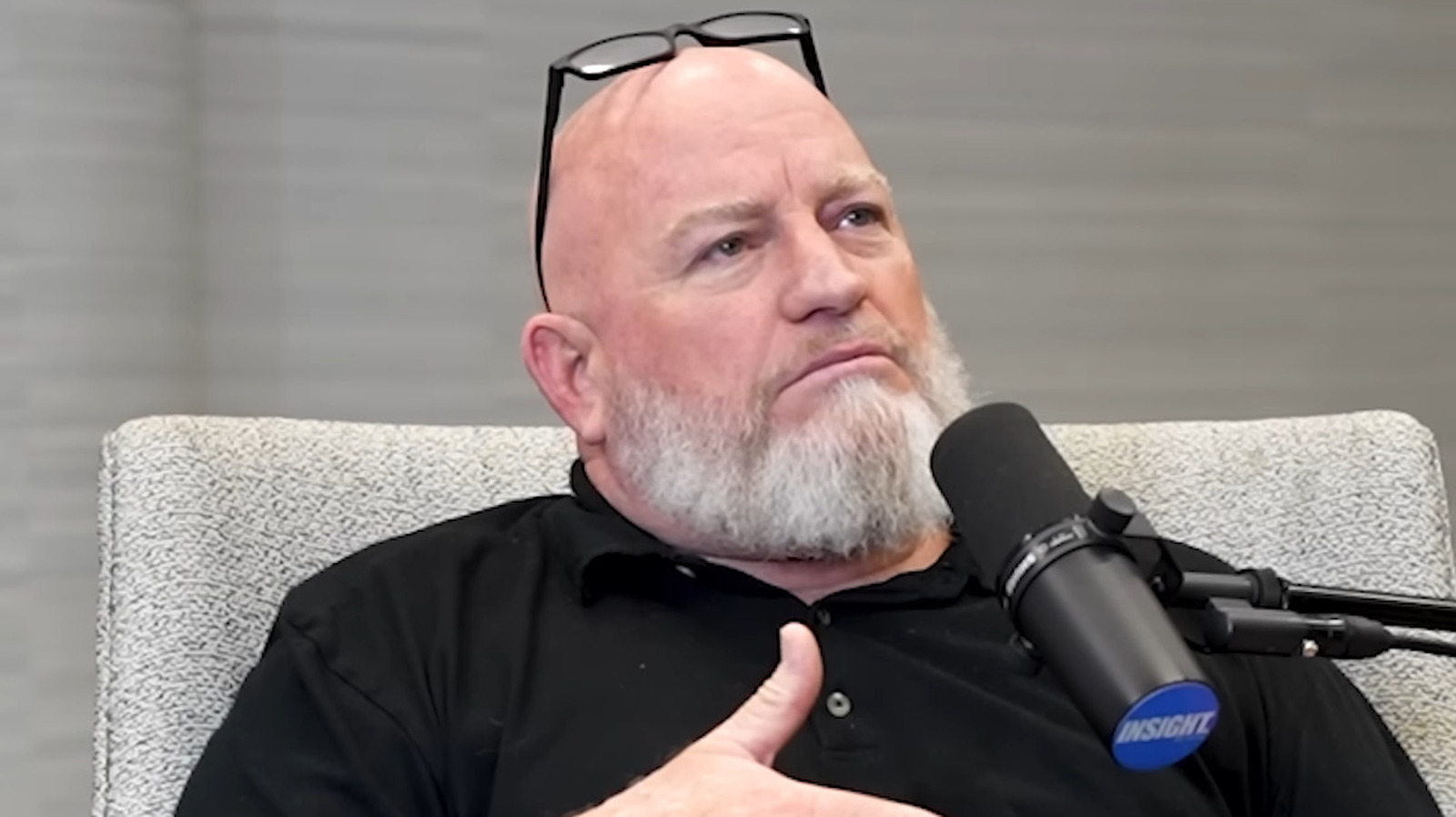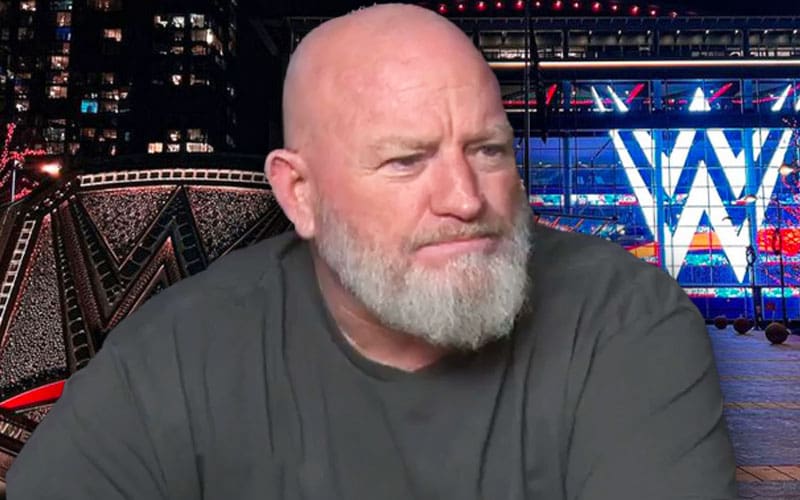
The end of the DX executive era
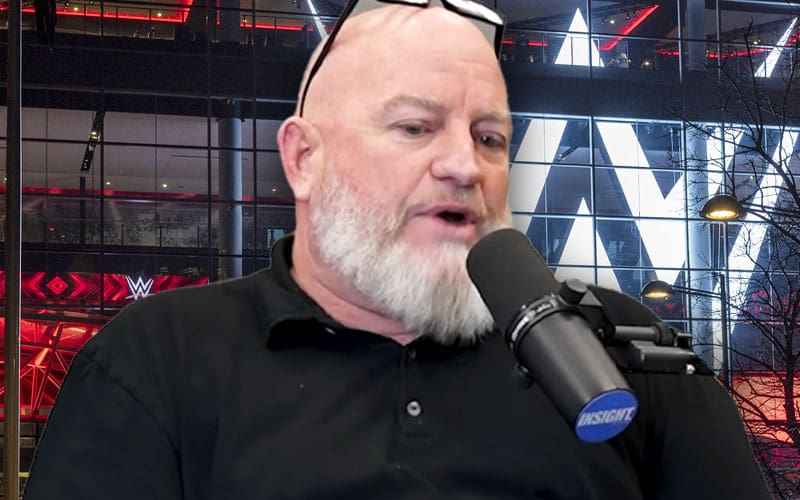
Brian James, known to wrestling fans as Road Dogg, didn't leave WWE because of a massive creative blowout or a shouting match with the front office. He walked out because the writing was on the wall, and frankly, he could read the fine print better than most in Stamford.
The departure signifies a shift in how WWE manages its internal operations. You don't have to look hard to see how Ringside News has covered the internal tension surrounding his exit. It wasn't about a lack of talent or passion. It was about the corporate machine moving in a direction where his specific skill set—honed in the Attitude Era trenches—just didn't fit the new metrics anymore.
Creative burnout meets corporate tightening
James spent years trying to bridge the gap between old-school psychology and modern production needs. That is a thankless job. You are fighting twice as hard to keep the soul of the business alive while middle management asks for more spreadsheets and fewer chair shots.
The reality is that WWE has been aggressively pruning the tree for years. When the brass decides to pivot, the folks who remember the way things were done in 1998 often find themselves looking for a new hobby. James saw the reorganization coming down the pipe and decided to jump before the floor dropped out entirely.
The move that failed to generate heat
Let’s be honest: not every exit is a tragedy. Sometimes the tank is just empty. From an analytical perspective, the later years of his booking influence were met with mixed results. While he mastered the art of the promo back in his prime, translating that into modern, script-heavy television proved to be a different beast.
He wasn't the only one caught in the shuffle. WWE management has been streamlining its creative process with a clinical, almost robotic efficiency that makes the old wild-west booking rooms look like a circus. It might save money on the balance sheet, but it creates a bland product.
Why we should care about the back-office exodus
Pro wrestling is built on institutional knowledge. When you push out the guys who spent decades on the road under Triple H or Shawn Michaels, you lose the subtle nuances of storytelling that actually sell tickets. You end up with technically proficient wrestlers who have the charisma of a toaster.
If the plan for WrestleMania 41 is any indication, the higher-ups are betting everything on spectacle over substance. That is a dangerous game. You can have all the high-budget video packages in the world, but if the crowd doesn't have an emotional hook, you’re just wasting electricity.
The timing of this departure is interesting. With the company moving toward a post-Vince future, they are trying to strip away anything that smells like the old regime. It is a corporate makeover, and it is happening right under our noses. Whether this leads to a better product remains a coin flip, but the backstage morale must be absolute carnage right now.
Ultimately, James made the smart call for his own mental well-being. Keeping a foot in a room that is actively trying to move past you is a recipe for disaster. Sometimes the best maneuver in the ring is stepping aside so you don't get nailed by a ladder that someone else left in the middle of the floor.