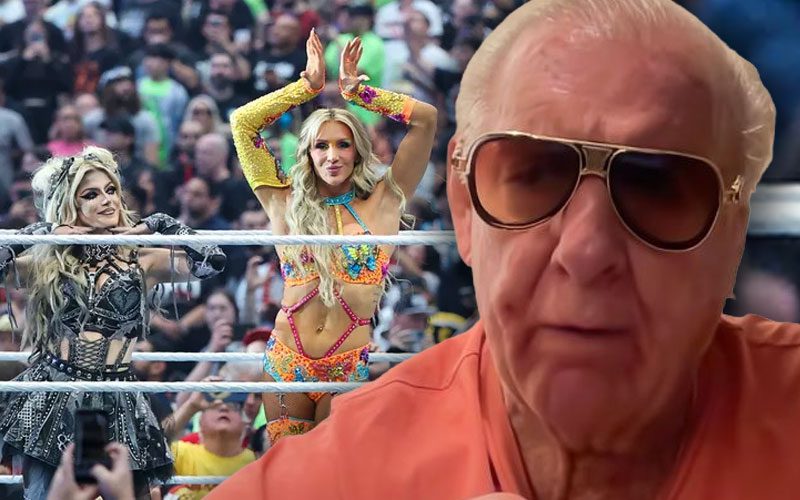
The cost of chasing a legacy trademark
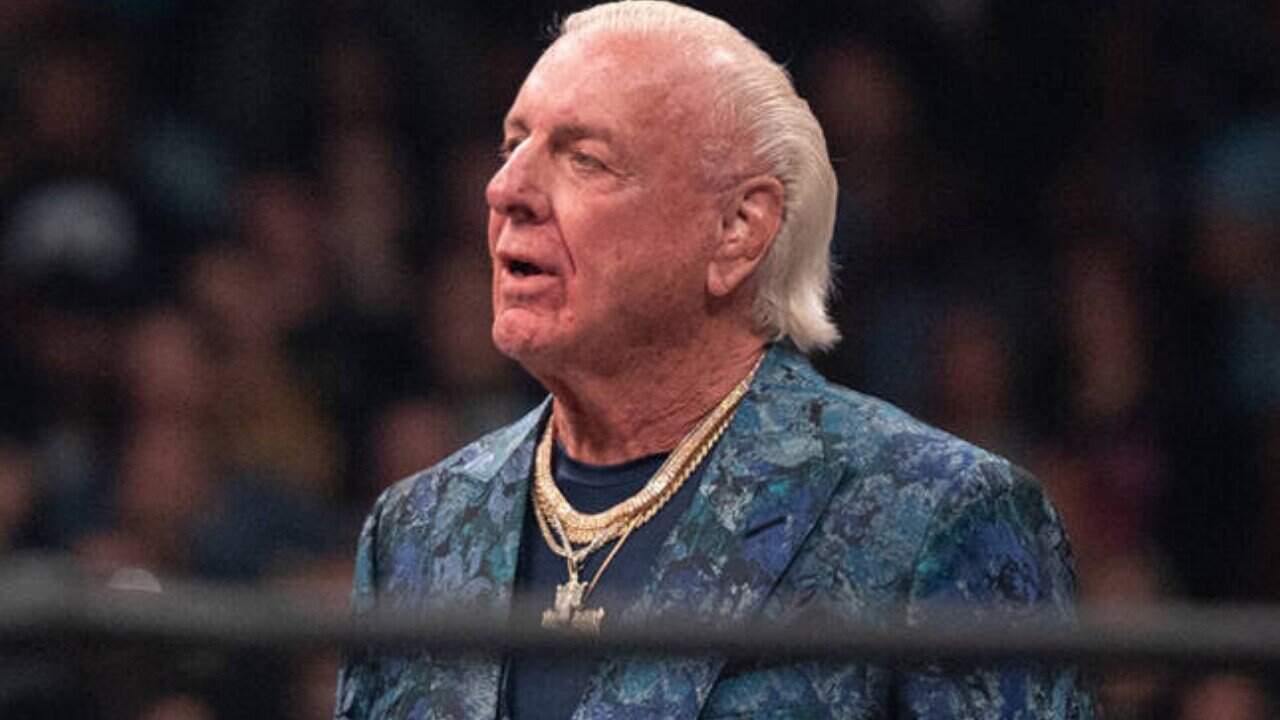
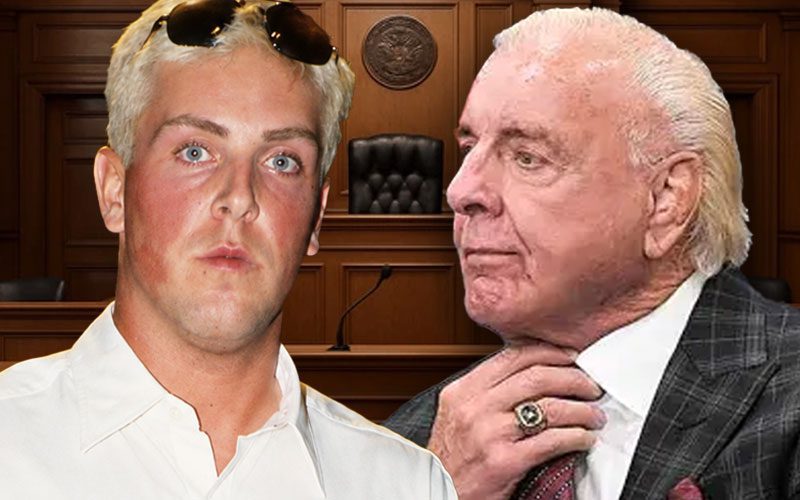
The friction surrounding Ric Flair's ownership of his professional nickname reached a cooling-off point this week. Between May 25 and May 29, 2026, the industry watched a public negotiation play out in real-time. Flair oscillated between aggressive legal posturing and a sudden, quiet retraction.
As PWInsider reported, the resolution arrived in the form of a public apology. This is not just a personal matter; it is a case study in how retired legends struggle to manage the equity of their own names against the corporate machinery that helped build them.
Why this matters for the broader industry
In the modern era, the line between personal identity and business asset is often blurred. Flair attempted to reclaim territory that had been ceded years ago through contractual obligations. The attempt failed, but the optics were jarring.
Watching a legend of that caliber walk back legal threats suggests that even the biggest stars operate under strict institutional guardrails. The 5-day window of volatility highlighted how digital-age disputes can destabilize a brand that has spent decades gaining institutional trust. It creates a vacuum of authority when the person synonymous with the product spends their week fighting against the people still managing it.
The strategic reality check
There is a glaring lack of coordination in these legacy brand maneuvers. While the apology closes the legal chapter, it leaves fans wondering about the long-term sustainability of old-guard wrestlers maintaining relevance. The industry is moving toward a more centralized model where individual talent is effectively an extension of a firm.
Attempting to assert autonomy after the ink has dried on a decades-old contract usually leads to the exact outcome Flair experienced. You don't rewrite the terms of your past employment once you’ve left the building. My prediction? We will see fewer attempts at reclamation from the veteran class over the next 18 months. The risks simply outweigh the rewards, especially when the legal costs start eating into the bottom line of a 6 figure retirement income. Flair folded because the arithmetic didn't work. It was a calculated retreat disguised as a mea culpa.