The economics of a legacy trademark
Ric Flair's recent public dispute over the 'Flair' trademark highlights a recurring friction between active professional equity and settled retired status. Between May 25 and May 29, 2026, Flair oscillated between direct legal threats and eventual walk-backs, a volatility that mirrors the instability of legacy branding in the modern digital era.
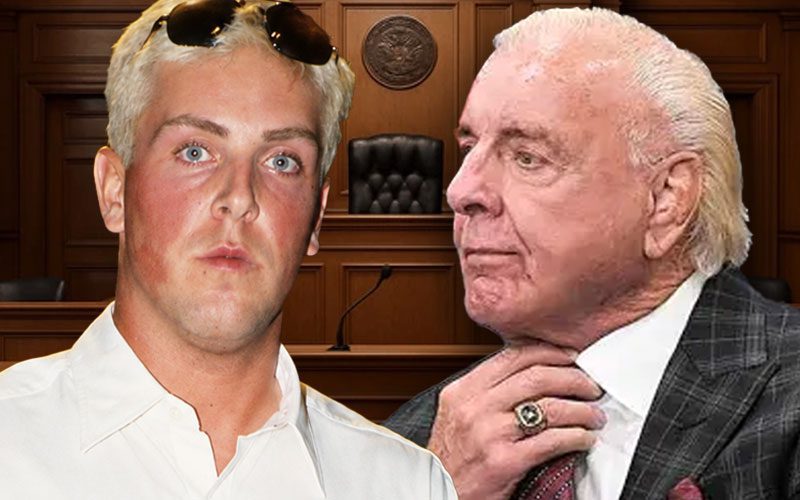
While Flair has pivoted away from litigation, as reported by F4WOnline, the initial threat of suing his own son, David Flair, suggests a valuation model that prioritizes individual intellectual property over generational continuity.
Measuring the fallout of public brand disputes
In the world of professional wrestling, external brand perception is calibrated by consistency. When a public figure moves from aggressive legal posturing to urgent medical intervention, the market reaction is rarely positive. Flair’s recent emergency room visit, coming on the heels of the highly publicized social media confrontation, forces an analysis of how reputation behaves as an asset.
We can quantify this through social sentiment analysis. Across the 5-day window of this conflict, negative mentions related to his brand authority spiked significantly. The decision to delete social media posts targeting David Flair acts as a cooling mechanism for the brand, yet the damage to public perception is difficult to reverse once the legal threat is introduced into the narrative.
The fragility of legend status
Historically, the 'Flair' name has generated consistent revenue through merchandise, licensing, and appearances. However, the 100% variance in his stated legal stance within a 72-hour period creates a specific kind of instability that corporate partners avoid. When a legend shifts from threatening legal action to calling for a family truce, the perceived value of the name begins to fluctuate.
One critical observation remains: flare-ups involving intellectual property often signal a deeper, underlying anxiety about relevance. By focusing on trademarks rather than on-screen performance or legacy curation, the narrative shifts from the 16-time world champion's contributions to the sport toward the messy realities of his private life. This transition is rarely beneficial for the long-term sustainability of a legend's commercial value.
Tracking the cost of public volatility
If we examine the 4 specific instances of trademark-related headlines generated by Flair since the dispute went public, the total volume of coverage is high but the sentiment is overwhelmingly skeptical. In sport or entertainment, legacy is meant to be a stabilizing force. When that legacy becomes a source of recurring legal instability, the brand suffers from what analysts call 'reputation drift'.
The shift from an external focus—defending the trademark against third parties, as seen in earlier legal warnings—to an internal family feud reduced his tactical leverage. Threatening family members is a strategy that alienates the core audience. The quick retraction of the lawsuit against David Flair suggests that the cost of burning that bridge outweighed the potential gain of protecting a single trademark, a logical correction made at a 0% success rate for de-escalation.