
Ric Flair’s trademark battle with David feels like a sad final chapter
The branding of a legend at a crossroads
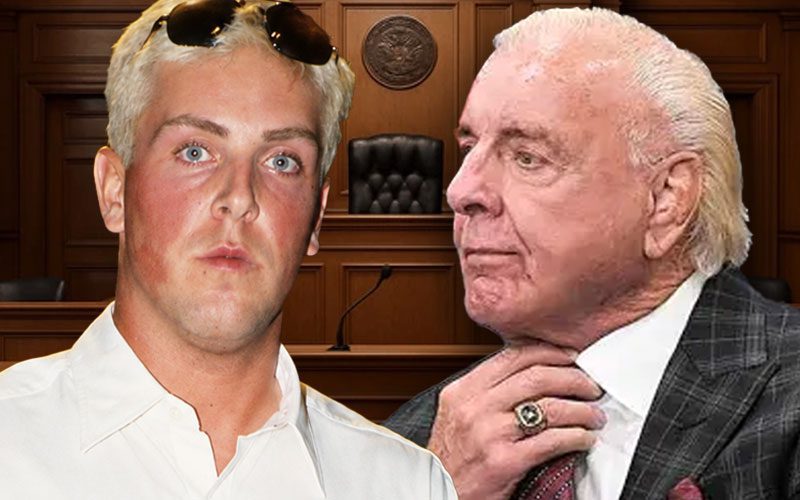
Professional wrestling does not handle aging gracefully. The heritage of the NWA, WCW, and the early years of the WWF is etched into the personas of the men who built them, but the business side is turning into a messy probate court. Ric Flair recently took to his show to admit that the legal threats regarding the “Flair” trademark are directed at his own son, David.
It is difficult to view this as anything other than a grim turn for the wrestling business. For decades, the name served as a shorthand for excellence, from the 60-minute time limit draws in the Carolinas to the main event scene at Starrcade. Watching the intellectual property rights descend into family litigation strips away the mystique at a time when the industry is otherwise focused on the looming business hurdles documented by Ringside News. Professional rivalry is one thing; burning bridges with blood relatives over a name trademarked in the 1970s is a departure from the theater of the sport.
The weight of the legacy
David Flair spent his years in WCW under a microscope that few second-generation wrestlers could survive. He was thrust into the ring in 1999 long before he had the technical proficiency to mask the lack of charisma that plagued his early runs. While his father was putting on masterclasses at Halloween Havoc, David was managing the transition from an amateur to a television performer while the company itself was collapsing from the inside.
The current legal posturing ignores the fact that David was instrumental in keeping the name visible on national television during the dying days of the Turner era. If the legal action proceeds, it suggests that the value of the trademark is now divorced from the performers who actually carried the bags and took the bumps to build that brand’s equity. Legal maneuverings like these rarely end well for the parties involved, especially when the goal is to restrict family access to their own professional handle.
Where the strategy fails
A successful transition of a wrestling legend’s brand relies on continuity and audience goodwill. By threatening legal action, the elder Flair is effectively distancing the fan base from the history he supposedly wants to preserve. Strategic brand management requires a light touch, not a motion for an injunction.
The optics of the move highlight a wider issue in the industry: an inability to let go. Wrestling historians often point to the year 2001 as the moment the medium changed, and yet we are still litigating the intellectual property of that era in 2026. If the court battle continues, it will shadow the legacy of the NWA era more than any bad booking decision ever could. We are watching a historical figure prioritize the legal ownership of a handle over the organic continuation of his own family line in the business.
The missed opportunity for reconciliation
There is a cynical reality here. For a sport predicated on the idea of the "family business," this dispute demonstrates a complete breakdown of that concept. The industry has survived because of the passing of the torch from one generation to the next. That process is currently being derailed by a filing fee and a cease-and-desist letter.
This should have been a moment for a brand-cohesion effort between two generations. Instead, we are looking at a publicized legal skirmish that does nothing but invite scrutiny toward the Flair name itself. True legends maintain their stature by elevating their progeny, not by filing motions to prevent their use of an identity that is, for better or worse, their birthright.
Funko Pop! WWE: Roman Reigns with Title (Amazon Exclusive)
Acknowledge him! Add the Tribal Chief to your collection with this Amazon exclus
Frequently Asked Questions
Why is Ric Flair threatening legal action against David Flair?
What is the historical significance of the Flair trademark?
How did David Flair's wrestling career impact the family name?
Why does the author consider this legal battle a mistake?
What does the trademark dispute reveal about the wrestling industry?
More Coverage
Top 10: Defining Moments in Modern Professional Wrestling
16 hours ago
Logan Paul's conflict with Tom Brady is a distraction WWE does not need
1 day, 1 hour ago
Is Ric Flair eyeing one final promotional shift late in his career?
1 day, 5 hours ago
Charlotte Flair is finally done listening to her dad's advice
2 days, 11 hours agoOn This Day in Wrestling: July 17
2 days, 22 hours ago
Tom Brady isn't actually coming to WWE
2 days, 23 hours agoMore Analysis

The diminishing returns of Ric Flair's brand preservation
1 month, 2 weeks ago
Ric Flair is picking a fight with his own legacy
1 month, 2 weeks agoRic Flair’s trademark pivot marks a strange end to a public dispute
1 month, 2 weeks ago
Ric Flair’s digital trail confirms a pattern of public volatility
1 month, 2 weeks ago
Ric Flair is turning his media tour into a car crash
2 months, 3 weeks ago