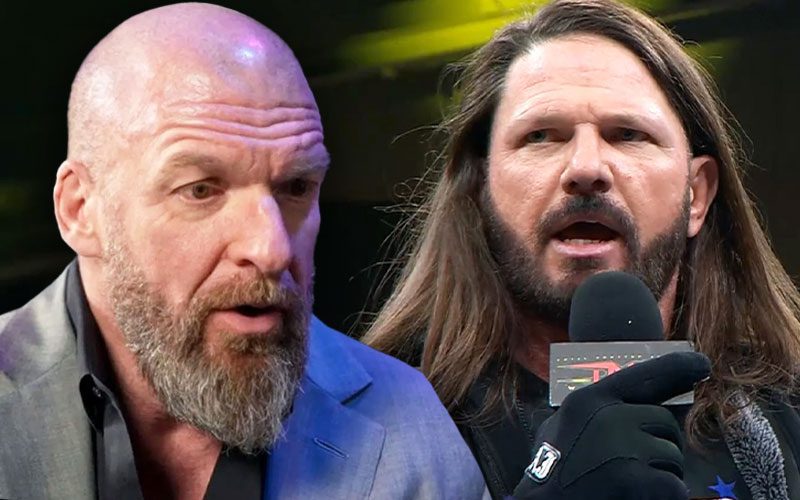
Physical toll on a veteran schedule
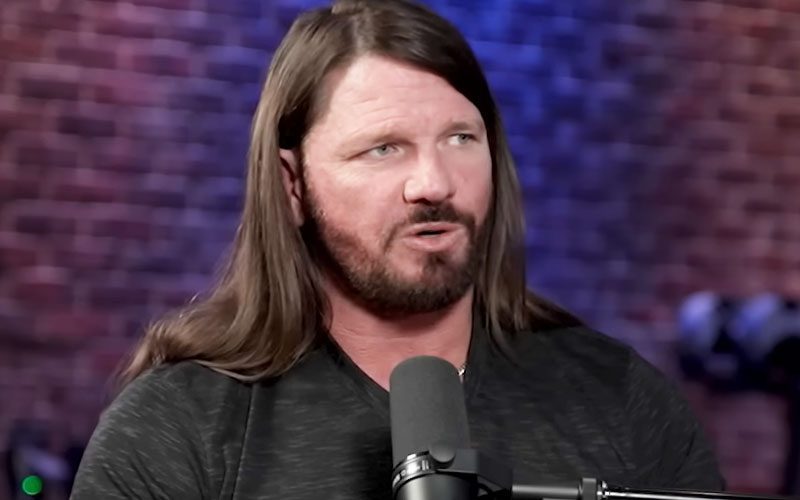
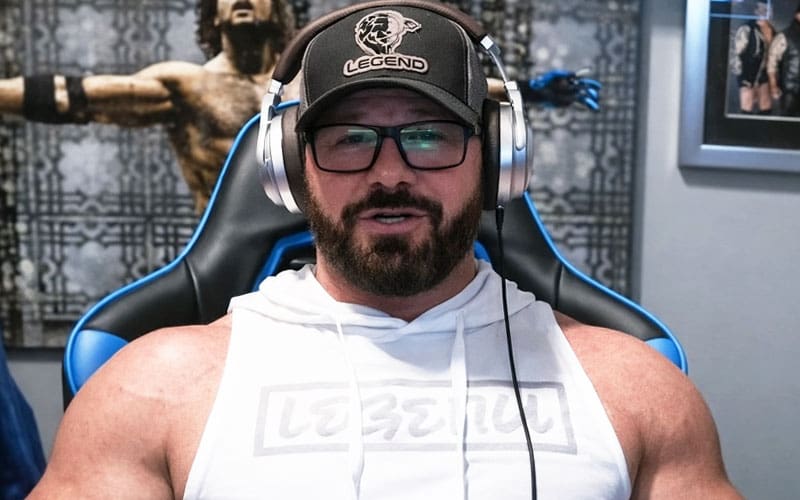
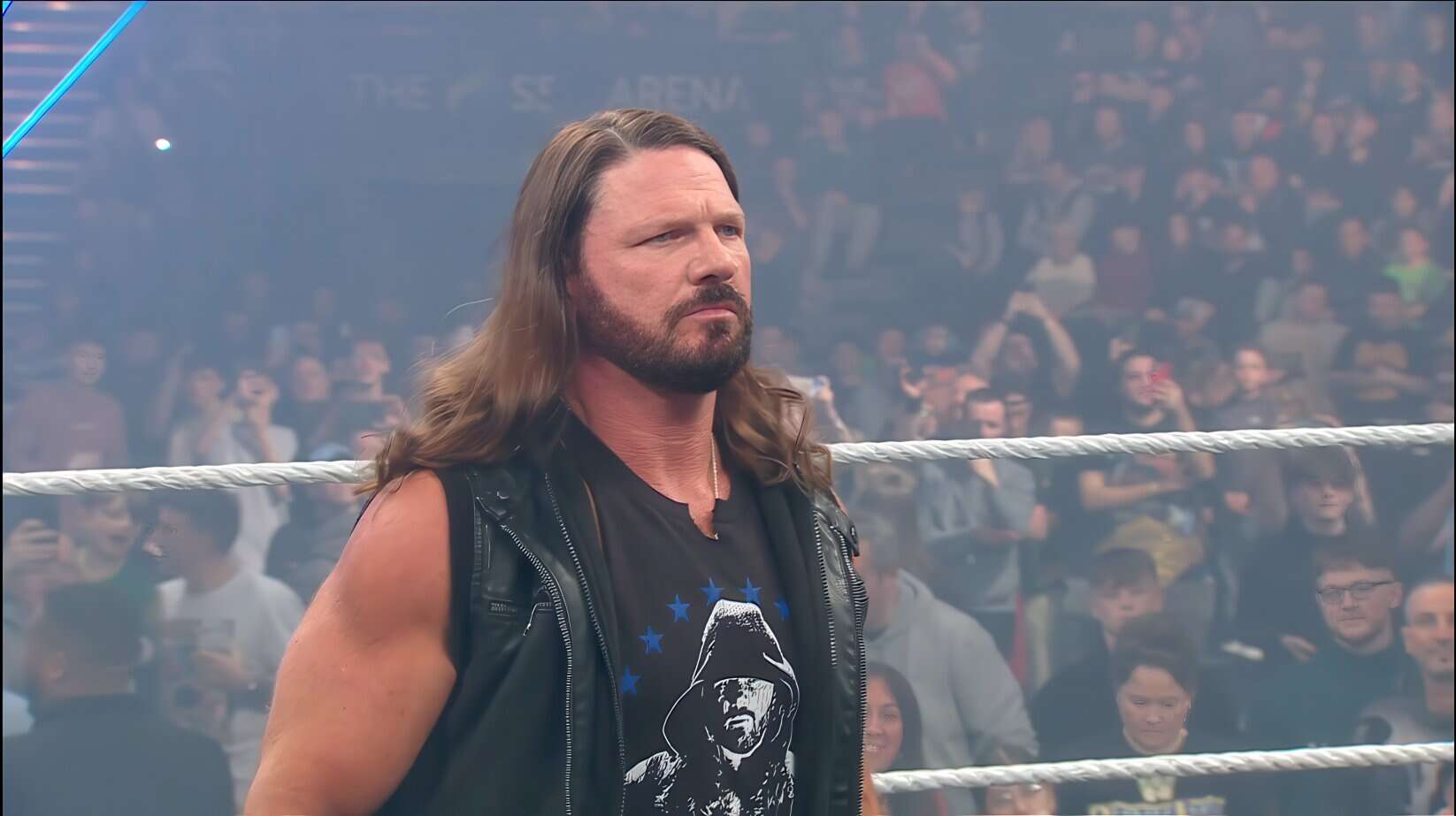
AJ Styles has spent the better part of two decades as a high-impact performer. Now approaching his mid-40s, his body is signaling that the style that defined his career in Japan and the independent scene is coming with a mounting tax. Recent reports confirm that Styles has been working through significant wear-and-tear issues that have forced producers to alter his move set significantly.
His reliance on the Phenomenal Forearm and the Styles Clash requires explosive knees and lower back stability that he no longer possesses in his 2016 vintage. The May 2026 medical evaluation indicates that his lower lumbar discs are the primary point of concern. This isn't a single catastrophic snap; it is the wear of thousands of bumps taken since his arrival on the global stage.
The creative shift behind the scenes
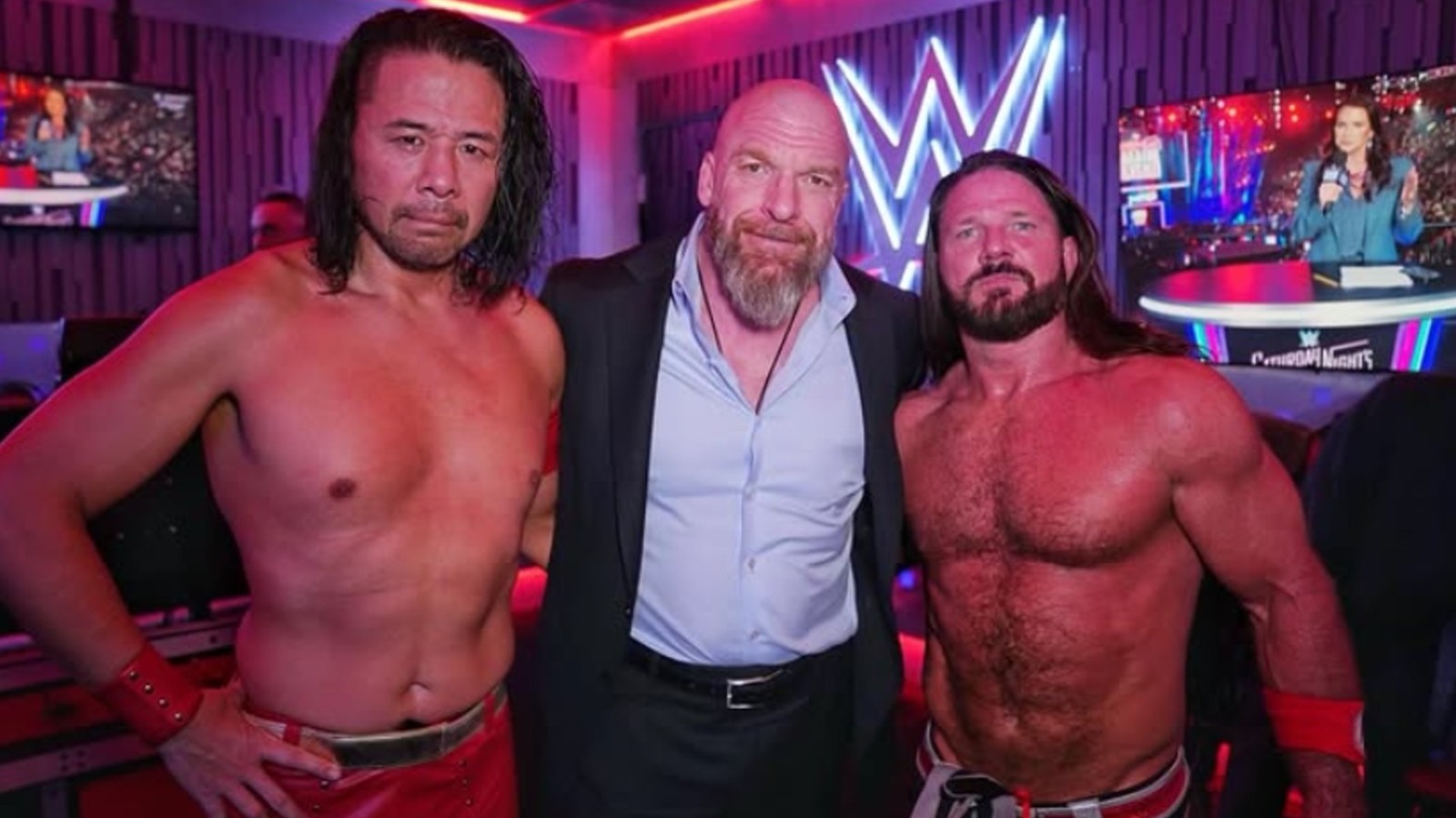
AJ Styles recently made headlines for defending Triple H and the current creative direction against fan criticism. While fans label him a company man, his desire to protect the creative team likely stems from a desire to maintain his position in a system that allows him to work a safer, psychology-based schedule. It is a strategic pivot for a veteran who knows his window for in-ring competition is narrowing.
The current booking strategy suggests WWE management understands his limitations. You see fewer high-risk spots and more heavy-hitting strikes. It is an adaptation to preserve his health for marquee television appearances rather than testing him on the road with grueling house show runs.
The career precedent for aging stars
History shows us that workers of Styles’ caliber often struggle to transition away from their high-flying roots. Look at Shawn Michaels in his final years or even Rey Mysterio today. They shift from pure athleticism to acting as a floor-general. If Styles cannot evolve his game to become a more static, tactical worker, his active timeline will shrink rapidly.
His recent defense of the locker room culture is telling. By embedding himself as a locker room leader, he is setting the stage for a backstage role once the knees finally call it quits. Critics argue that his stubborn refusal to fully bench his high-risk maneuvers makes him a liability in matches against less experienced talent who may not know how to protect a veteran with his specific injury profile.
Strategic implications for the division
The absence of a fully healthy AJ Styles creates an massive gap in the mid-card and upper-mid-card depth. When Styles is limited, the product loses its primary anchor for technical wrestling clinics. His presence allows younger talent like Bron Breakker or Trick Williams to sharpen their craft against a master. Without him, the rotation becomes dangerously unbalanced.
The industry is watching whether this injury status will trigger a permanent move to a non-wrestling capacity, such as a producer or a brand-ambassador role. WWE has a vested interest in keeping him on TV, but the cost of another major flare-up could sideline him for a calendar year. We are looking at a period where his ring time must be managed with absolute precision to avoid a total breakdown.
The verdict on his return
Sources inside the performance center suggest that his current training regimen focuses entirely on kinetic chain rehabilitation. Expect his 2026 schedule to remain sporadic. He will likely appear in interview segments or short, protected tags until his range of motion improves markedly. Any return to a sustained main-event push before autumn is unlikely given the current diagnostic projections.