Measuring the Impact of a High-Stakes Year
The 2026 professional wrestling calendar has been defined by rapid shifts in personnel and internal family dynamics. This list captures the flashes of brilliance and the necessary controversies that shaped the industry over the last twelve months.
1. Xia Brookside Secures Title Opportunity
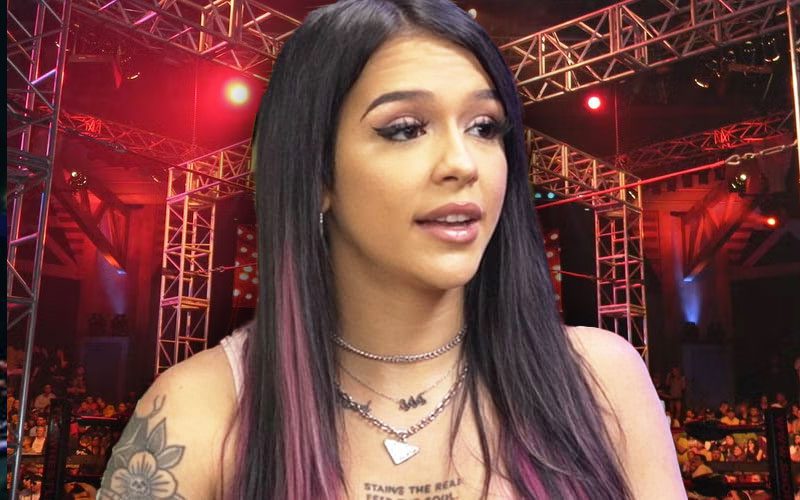
Xia Brookside’s recent path to the Knockouts gold stands at the top because it reorients an entire brand. By winning her recent tape-recorded match, she earned a concrete shot at the championship. This booking choice forces the division to revolve around a singular, motivated challenger. You can track the recent fluctuations in TNA booking, but this specific decision signals a shift toward prioritizing fresh main event talent.
2. The Physical Sustainability of Jade Cargill and Rhea Ripley
The preparation for the Clash in Italy sees two of the biggest stars in the business navigating an grueling schedule. Both athletes are managing a high-intensity European tour that included a stop in Liverpool. While their clash this Sunday carries massive weight, the real moment is the resilience shown through the 30-day period leading up to the bell. It is rare to see top-tier performers maintain this pace without significant drop-offs in performance level.
3. The Ric Flair Family Name Dispute
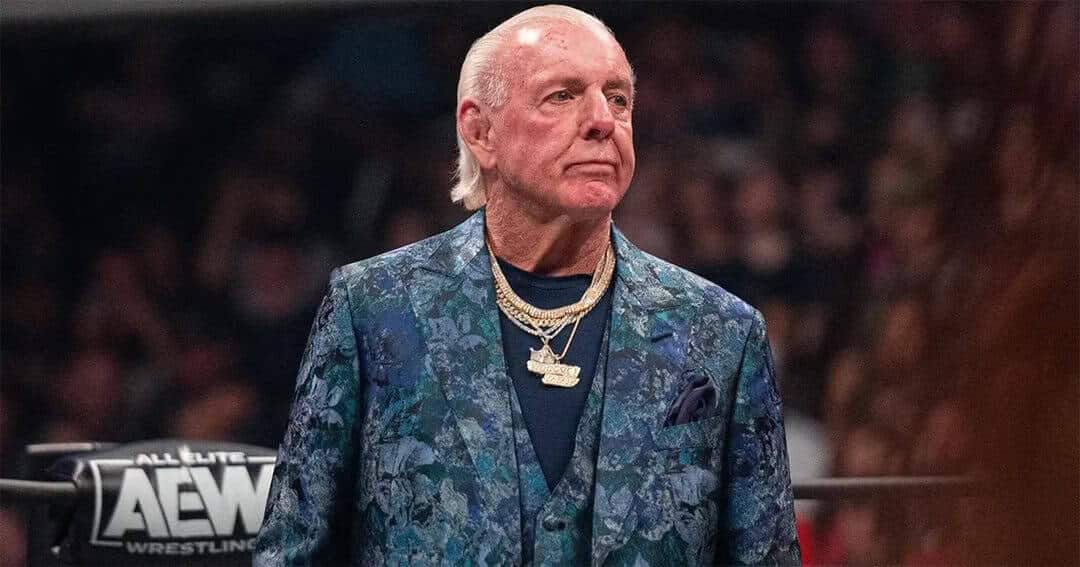
Ric Flair taking a public stance against his son David using the family surname is the human interest story of the year. Flair explicitly suggested David use his birth name, Fliehr, or his wife’s name instead of the legendary brand he built. As reported by WrestlingNews.co, this highlights the protective, sometimes abrasive nature of the wrestling legacy. It ranks high because it separates personal identity from professional branding.
4. The Mid-Summer Booking Pivot
Management changes across the primary promotions mid-year caused a noticeable shift in match quality. We saw a transition from long-form tournament structures to more direct, high-stakes individual feuds. This move acknowledges that modern audiences prioritize immediate payoff over multi-month build-ups. While efficient, it occasionally leaves secondary plot lines feeling abandoned or underdeveloped.
5. The Global Expansion Strategy
The industry’s push into international markets like Italy and the United Kingdom proves that promotion scale is moving beyond domestic borders. By hosting major events in regional hubs rather than central venues, companies are capturing new fan demographics. The logistical hurdle of transporting talent for 15-hour travel days is a massive under-reported challenge. Success here is measured not by ratings, but by market penetration.
6. The Rise of Tactical Wrestling
We are seeing a trend where technical prowess outweighs pure character work during championship broadcasts. In the most recent title defense at the arena level, the move set included complex transitions that were previously ignored by traditional booking. It is a win for the purists, yet it risks alienating fans who crave a traditional narrative arc rather than a pure work-rate display.
7. The Attrition of the Spring Calendar
The injury rate for the spring cycle is a concern that should be discussed more openly. Between the European tour and the condensed schedule, the physical toll is mounting. Several high-profile main events were salvaged only by last-minute roster adjustments. It reflects poor planning at the administrative level regarding recovery times.
8. The Evolution of the Knockouts Division
The focus on Xia Brookside isn't just about her; it is a symptom of a broader commitment to depth in the TNA women’s bracket. By diversifying the challengers, the promotion is avoiding the stagnation that plagues other rosters. This is a deliberate, calculated move to keep the product feel unpredictable on a monthly basis.
9. Returning to Traditional Regionalism
Promotions are increasingly leaning into the 'home field' advantage by emphasizing regional rivalries during international tours. This strategy builds local heat that generic matches simply cannot replicate. While effective, it leads to inconsistent continuity for viewers catching the shows on streaming services. The disconnect between local engagement and global broadcasting needs more synchronization.
10. The Unresolved Legacy of the Fliehr Name
Rounding out the list is the continued conversation around second-generation wrestlers establishing singular identities. Whether it is David Fliehr finding his own way or other legacy stars separating from their parents' shadow, this remains a tension point. It is a cautionary tale for any athlete holding onto a legacy name that they did not cultivate themselves. Sometimes, a brand is weight rather than an asset.
Honorable Mentions
We should note the sudden shifts in commentary broadcast teams that have subtly altered the presentation of major matches. Additionally, the increasing reliance on social media to build feuds between events has changed how fans consume promos. Neither broke the top ten, but both are essential context for the state of wrestling in May 2026.