The Hidden Value in AEW's Quiet Renewals
We are just six days out from AEW Double or Nothing, and the typical pre-pay-per-view noise is dominating the timeline. Fans are arguing about card placement, ticket sales, and who is taking the pin in the main event. But while everyone is looking at the marquee, Tony Khan just made a subtle roster move that explains his entire philosophy for the remainder of 2026.
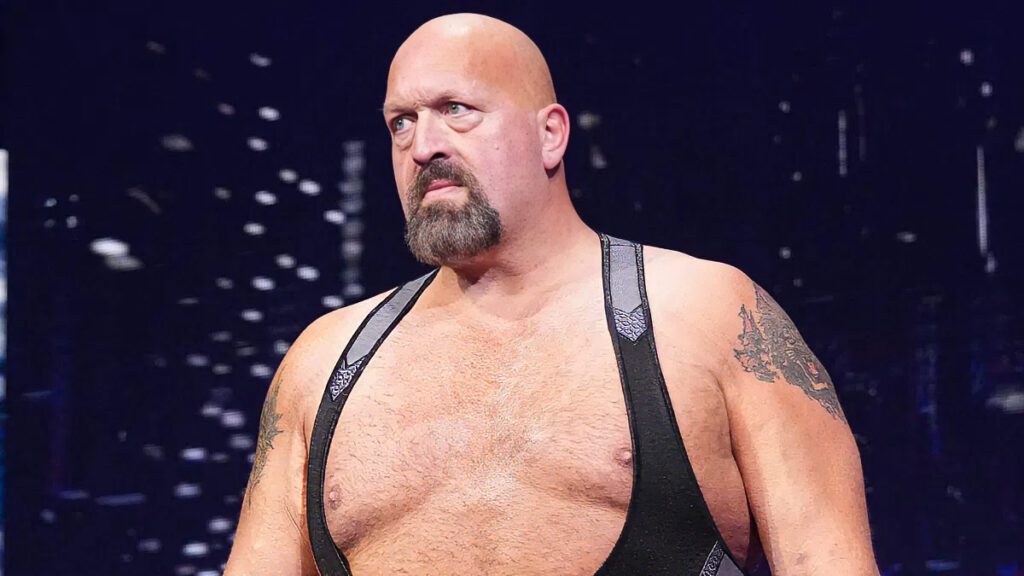
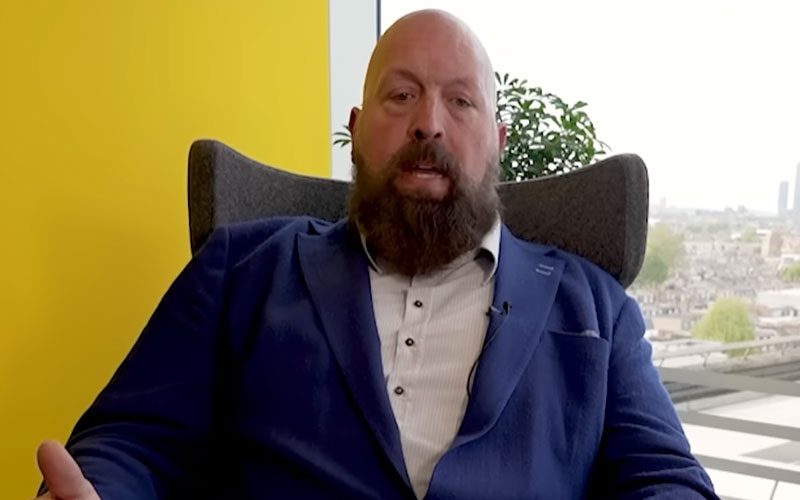
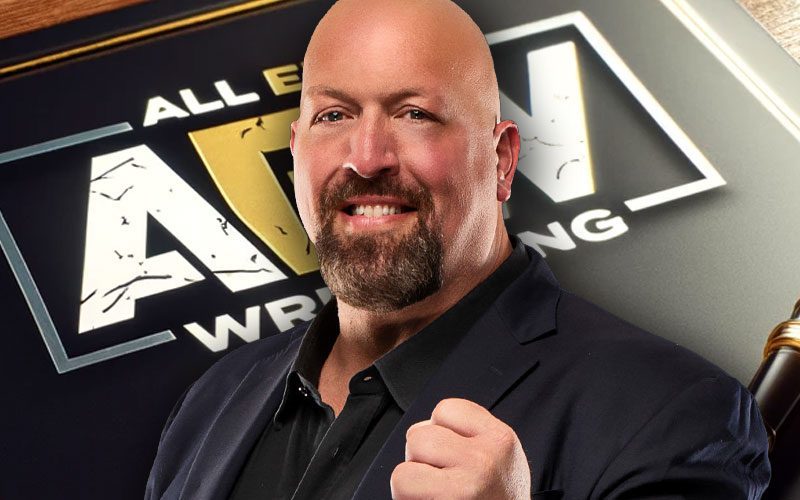
According to reports from BodySlam.net and Fightful Select, Paul Wight has signed a contract extension to remain with All Elite Wrestling. His previous deal reportedly expired earlier this year, and the company quietly locked him down again. On the surface, this move baffles a significant portion of the fanbase.
Wight has barely factored into AEW’s television product over the last twelve months. He isn't headlining pay-per-views, and his physical limitations at this stage of his career are obvious. He even recently joked with Ringside News about how the concussion of WWE pyrotechnics used to make him "tinkle" on himself. It is a funny anecdote, but it highlights a harsh reality. We are talking about a 54-year-old man with heavy miles on the odometer, not a fresh main event prospect.
So why is AEW retaining him? The answer lies entirely outside of the ring. Khan is aggressively buying up backstage stability. He is using veterans to completely rewire the developmental DNA of his locker room.
The Copeland Doctrine and Match Psychology
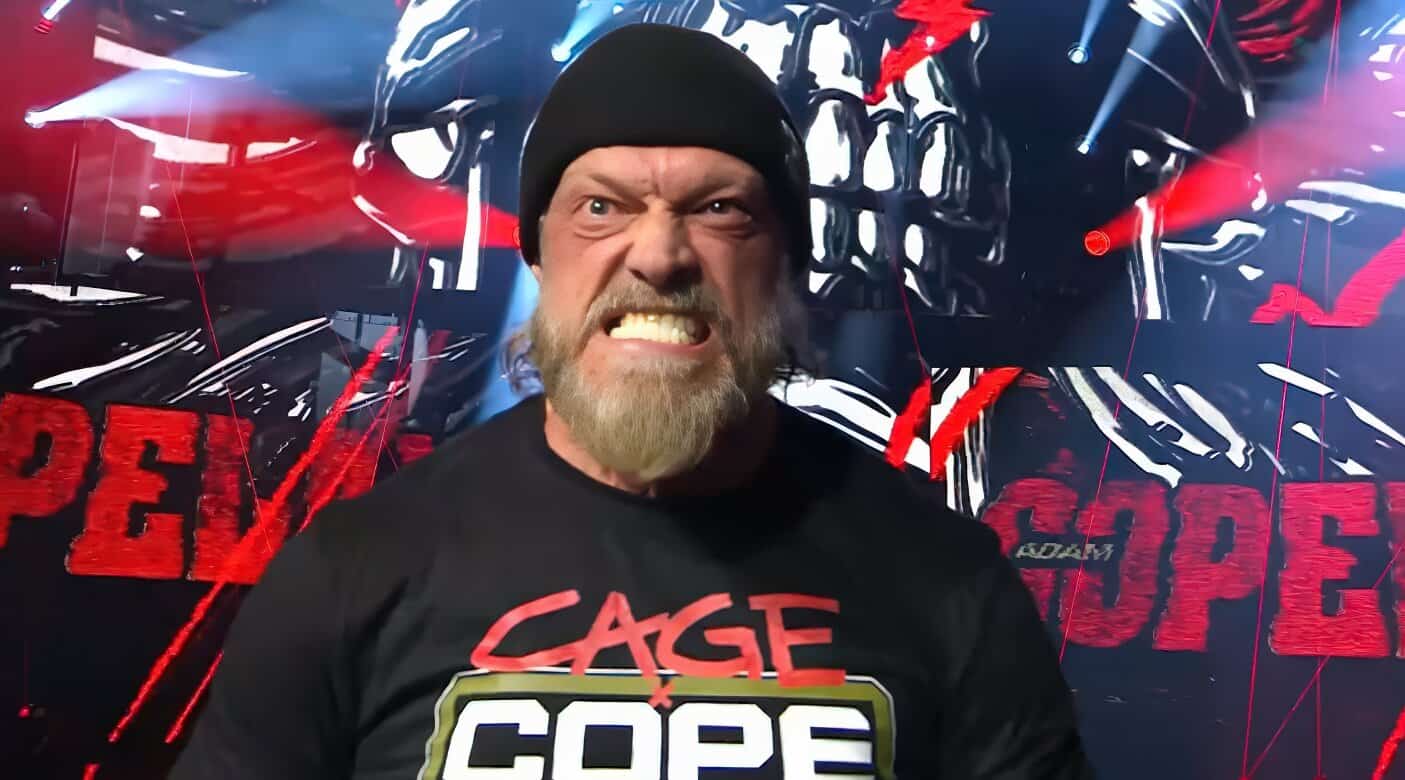
To understand the Wight extension, you have to listen to what the other veterans are saying. Take Adam Copeland. In a recent interview covered by Wrestling Inc, Copeland spoke at length about his desire to mentor the younger generation. He drew a direct line back to Bret Hart, noting how "The Hitman" opened doors for him when he was just an unproven kid trying to break into the business.
Copeland isn't just saying this to sound magnanimous on a podcast. It is a declared tactical objective. For the first four years of AEW's existence, the promotion lived and died on spectacular, high-octane workrate. We saw incredible athleticism, but we also saw matches completely devoid of basic psychology.
Young wrestlers were executing synchronized double-team maneuvers but forgetting to sell a knee injury three minutes later. You don't bring in someone like Copeland to teach a 24-year-old how to do a springboard cutter. You bring him in to explain how to slow down the pace in the 16th minute of a broadcast. You bring him in to explain why a subtle facial expression on a rest hold draws more heat than a high-risk dive to the floor.
Similarly, Wight’s value is as a psychological anchor. He understands how to structure a match around a giant, how to protect finishes, and how to navigate the incredibly toxic political waters of a wrestling locker room. AEW has suffered from severe backstage turbulence in the past. Paying a premium for veteran adults in the room is Khan's way of childproofing the promotion.
The Ruthless Efficiency of the WWE Machine
This strategy becomes glaringly obvious when you contrast it with how WWE handles talent. AEW is attempting to build a nurturing, educational environment. WWE, by contrast, is a ruthless corporate machine that does not care about your feelings or your promised trajectory.
Look at Ridge Holland's recent revelations to WrestleTalk. Holland confirmed that during the black-and-gold era of NXT, he was scheduled for a massive, main-event push. He had the look, the rugged style, and the backing of management. But the moment the corporate mandate shifted to the brightly colored, character-driven NXT 2.0, his push vanished.
"Every One Of Triple H’s Guys & His Vision Of NXT Got Whittled Out."
That quote tells you everything you need to know about the WWE system. It is violently unsentimental. If you do not fit the exact aesthetic and functional requirements of the current television product, you are immediately sidelined. They do not hold your hand. They pivot, and you either adapt instantly or get left behind.
Holland's experience is not an isolated incident. Dozens of highly touted prospects saw their careers derailed instantly when the aesthetic of the brand shifted. WWE's developmental system is a trial by fire. You are either the exact puzzle piece they need at that specific moment, or you are released. There is no middle ground, and there is certainly no patience for a multi-year learning curve.
We see another angle of this with Jacob Fatu. As reported by Wrestling Inc, Fatu recently recalled how Booker T helped him secure his spot in WWE. This is fascinating because Fatu infamously no-showed one of Booker T’s Reality of Wrestling events—a cardinal sin in the wrestling business that would normally result in a permanent blacklist.
But WWE operates purely on box office metrics. They recognized Fatu's freakish agility and undeniable aura. They were willing to completely overlook past unprofessionalism because his current ceiling is astronomically high. WWE forgives you if you can draw money, and discards you if you don't fit the mold. AEW is trying to build a culture where veterans actively prevent younger talent from making those career-threatening mistakes in the first place.
The Critical Flaw in AEW's Blueprint
However, we have to look critically at Khan's execution of this veteran strategy. It is far from perfect. In fact, it often borders on detrimental.
The core problem is that AEW refuses to draw a hard line between a backstage mentor and an on-screen competitor. If Paul Wight’s new contract involves him stepping between the ropes for a lumbering, six-minute squash match on a random episode of Rampage, then this entire philosophy is a failure. Every minute of television time given to a legacy act is a minute stolen from a rising star who desperately needs the reps.
AEW has a bloated roster problem. They have dozens of incredibly talented wrestlers sitting in catering because there simply isn't enough television time to go around. Khan is currently paying massive contracts to wrestlers who haven't been featured on Dynamite in months. The addition of names like Kazuchika Okada, Mercedes Moné, and Will Ospreay earlier this year only squeezed the middle of the card even tighter. Retaining legacy acts like Wight only makes sense if their utility is entirely removed from the weekly television format.
Copeland is obviously an exception, as he can still perform at a high level. But even his booking needs to be scrutinized. Having him simply run through the mid-card roster in competitive matches doesn't elevate the younger talent; it just pads his win-loss record. A true mentor role requires him to actively transfer his equity to someone else.
Predicting the Next Six Months
This brings us to the prediction. As we head into Double or Nothing on May 24, and chart the course for the rest of 2026, AEW's use of these veterans is about to become highly structured.
First, I predict that Paul Wight is entirely finished as an active in-ring performer. Despite the new contract, he will not wrestle a single official match for AEW in 2026. This extension is a purely administrative move to keep him on staff as a producer and locker room enforcer. Khan will finally resist the urge to put the giant on television.
Second, expect Adam Copeland to dramatically shift his on-screen presentation starting at Double or Nothing. The era of Copeland operating as a lone wolf having competitive matches is over. I predict he will officially debut a new faction or take a specific, struggling younger talent under his wing on Sunday night. He will pivot from being a featured solo attraction to the manager and tag-team partner of a rising star, executing the Bret Hart blueprint he so openly admires.
AEW has acquired the knowledge. Now, they finally have to prove they know how to apply it.
Read Next
- Double or Nothing needs a serious injection of reality
- Kofi Kingston's WWE exit feels inevitable after Jim Ross's latest comments
- Paul Wight just signed a new AEW contract and it completely changes the math for Double or Nothing
- Top 10: The Most Explosive Wrestling Moments of the Decade
- 🎲 AEW Double or Nothing 2026 — Full Coverage Hub