The Two Economies of Stardom
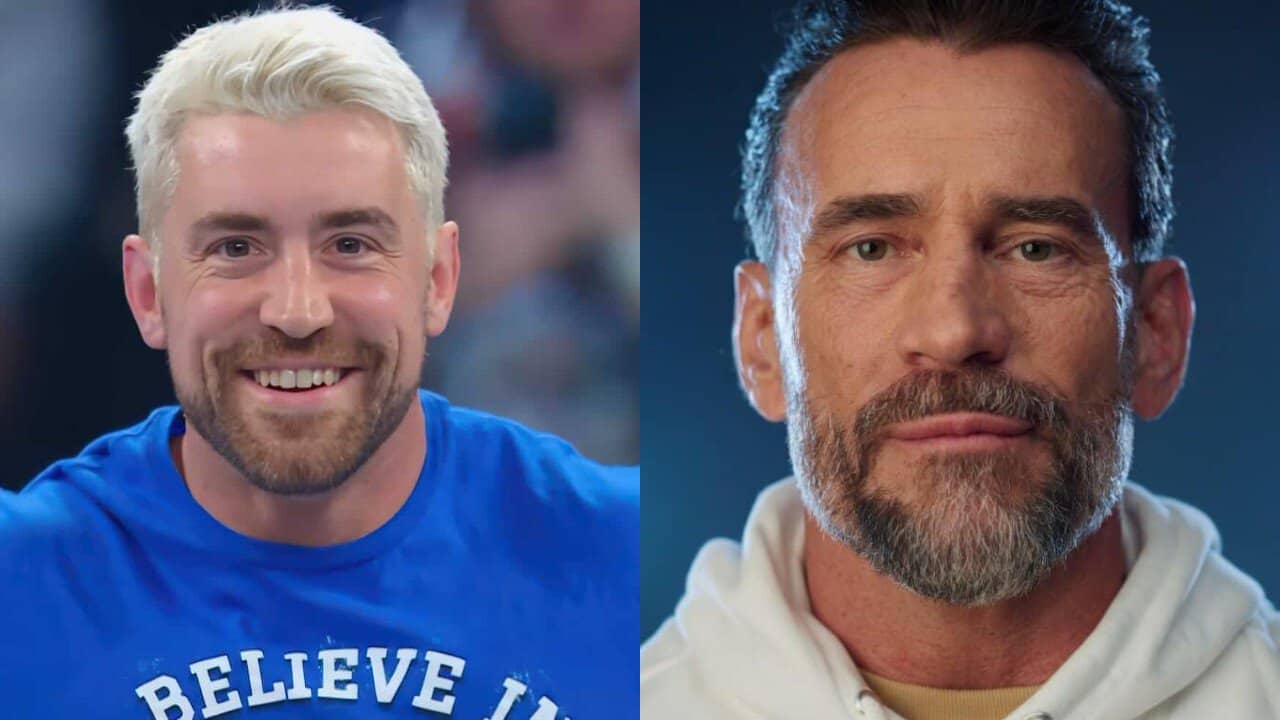
In modern professional wrestling, there are two parallel economies of fame. The first is the one WWE and its shareholders understand best: merchandise revenue, ticket gates, and television ratings. It’s the economy of CM Punk. The second is the chaotic, explosive, and often unpredictable economy of the social media view count. It’s the economy of Joe Hendry.
When TNA’s Joe Hendry recently stated his desire for a match with CM Punk, it wasn’t just a savvy callout from one of wrestling’s most clever characters. It was a collision of these two worlds. It’s a challenge that pits tens of millions of viral video views against a track record of moving millions of dollars in tangible revenue.
Hendry’s Kingdom of Clicks
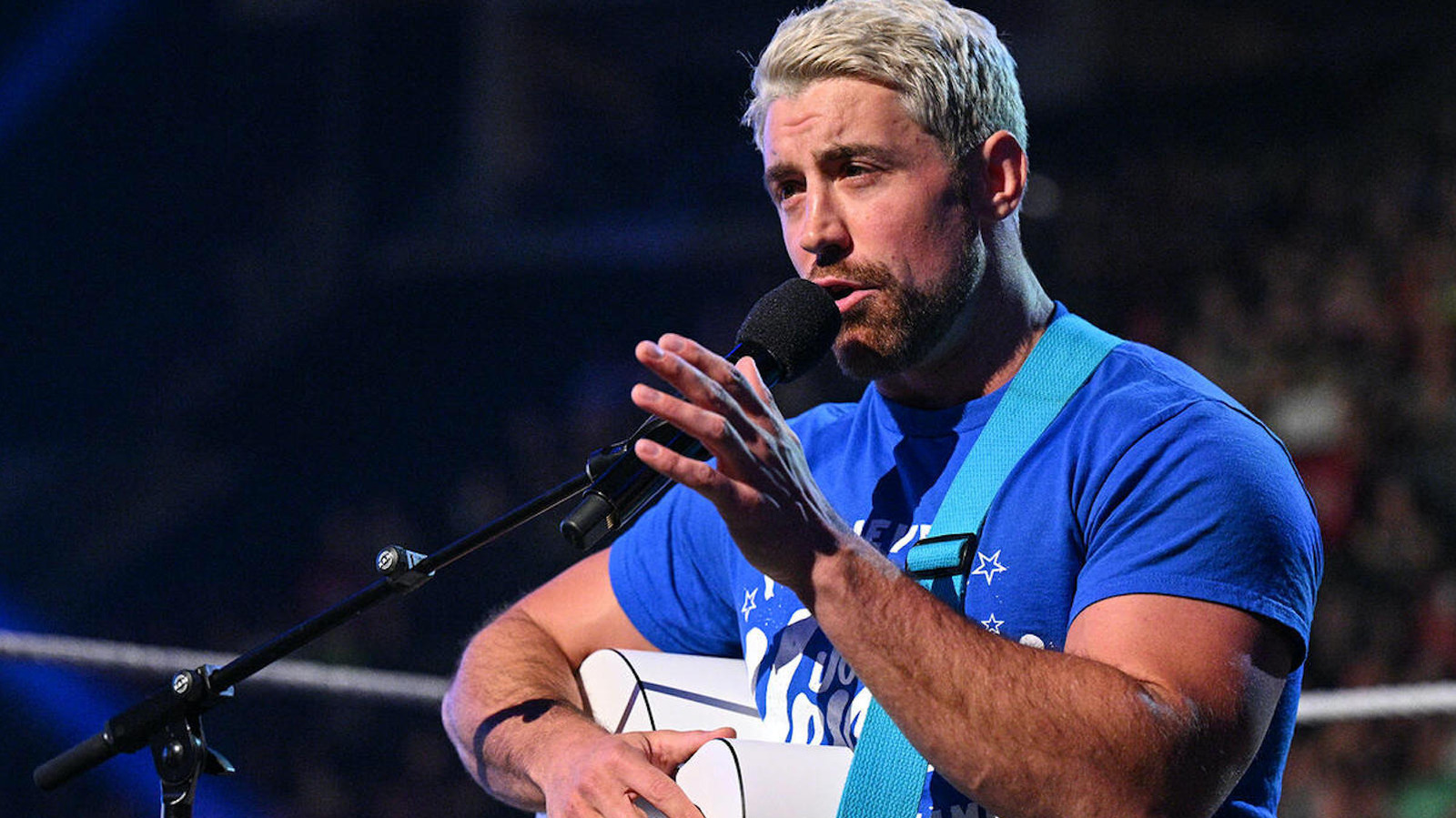
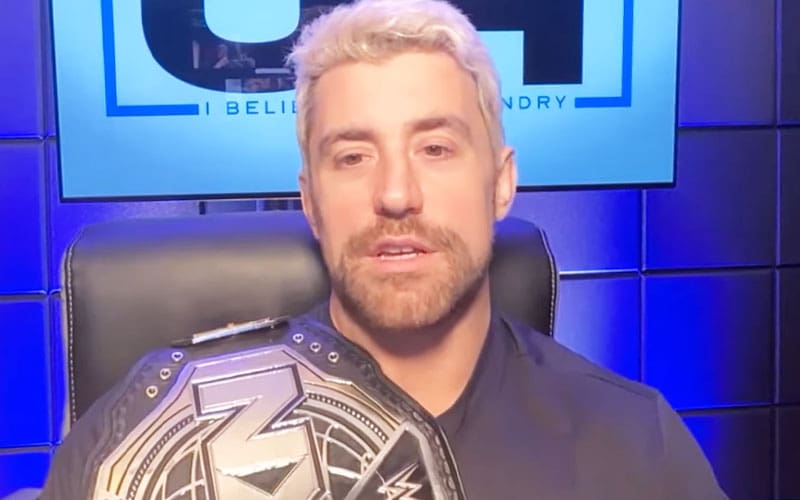
Joe Hendry’s rise is a phenomenon built almost entirely outside the traditional star-making machine. He doesn’t need five-star matches or a 30-minute promo segment on cable TV to get over. He needs a camera, a keyboard, and a target. His series of custom music videos mocking his opponents have become TNA’s most powerful engagement tool, by an order of magnitude.
The numbers are staggering in their own context. While TNA’s weekly television show pulls in a respectable audience, Hendry’s videos operate on a different plane. His most popular clips routinely eclipse 10 million combined views across platforms like YouTube, TikTok, and X (formerly Twitter). The original “I Believe in Joe Hendry” entrance music itself has become a viral sensation, generating a sprawling ecosystem of fan content and taking on a life of its own. It's a level of digital penetration that no one else on the TNA roster, and few outside of WWE’s top tier, can claim.
This isn’t passive viewership. This is active, algorithmic obsession. The engagement rate on his content—the likes, shares, and comments relative to views—outperforms nearly everything his parent company produces. He has built a direct-to-consumer brand that exists and thrives whether TNA is having a good month or not.
The Punk Benchmark
Then you have the other side of the coin: CM Punk. Punk’s value isn’t measured in retweets; it’s measured at the cash register. When he returned to WWE at Survivor Series 2023, the company’s metrics exploded. The clip of his return became WWE's most-viewed Instagram video of all time. His new t-shirt, a simple white design with his name on it, reportedly became the top-selling item on WWE Shop in a single day, breaking records previously held by all-time legends.
That is a different kind of power. It’s the proven ability to make thousands of people instantly pull out their credit cards. It’s the ability to add thousands of ticket sales to a B-show just by being announced for an appearance. While Hendry captures attention, Punk has a documented history of converting that attention into hard currency. His first run in WWE saw him become a consistent top 5% merchandise seller, a rarified air for a star of his size and era.
The business case for Punk is simple and undefeated. He is a walking stimulus package for whatever promotion he works for. Even his controversial run in AEW popped their second-biggest PPV buyrate in history for All Out 2022.
The Uncomfortable Question
This brings us to the critical, and perhaps uncomfortable, observation about Hendry’s viral success. For all the tens of millions of views, has it fundamentally changed the business trajectory of TNA? The company’s attendance and pay-per-view buys have remained largely static. The Hendry phenomenon is massive, but it appears to exist in its own bubble, separate from the company's core revenue streams.
"I really want to wrestle CM Punk." - Joe Hendry
Hendry’s callout of Punk is, in a way, a plea to bridge that gap. A match with Punk wouldn't just be a dream match; it would be a proof of concept. It would be the ultimate test of whether একজন viral star can draw like a traditional one. Can Hendry’s online army be motivated to buy a pay-per-view or a ticket to see him face a man who represents the very benchmark for that metric?
The risk is that the match exposes the gulf between the two economies. It could prove that a million TikTok views doesn't equal a thousand ticket buyers. But the reward? The reward would be legitimizing a new model of stardom, proving that a wrestler in 2026 can get over on their own terms, with their own content, and bring that audience with them to the big time. It’s a fascinating test case, and the numbers on both sides tell a compelling story about what it means to be a draw today.