Measuring the Hendry heat
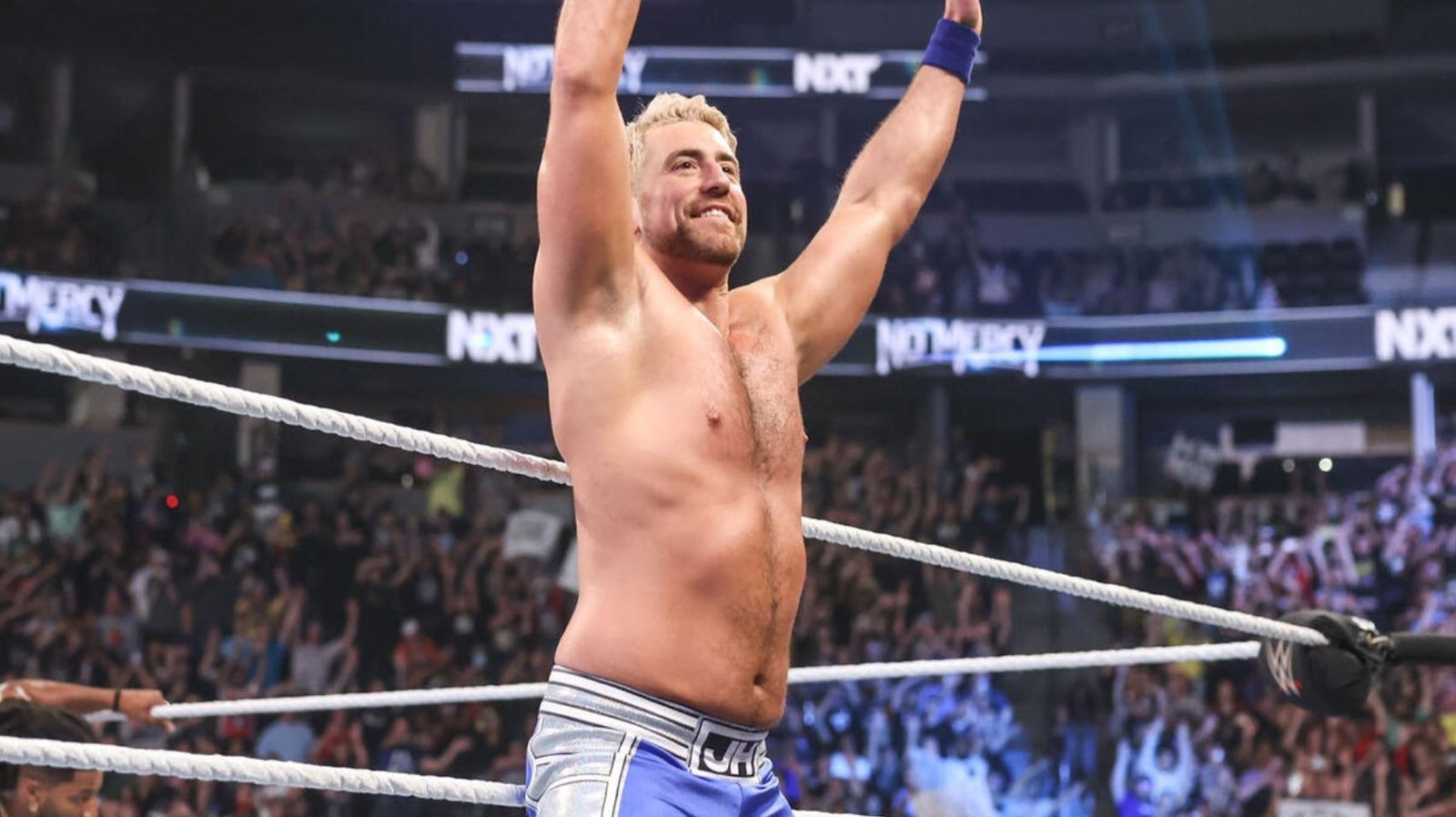
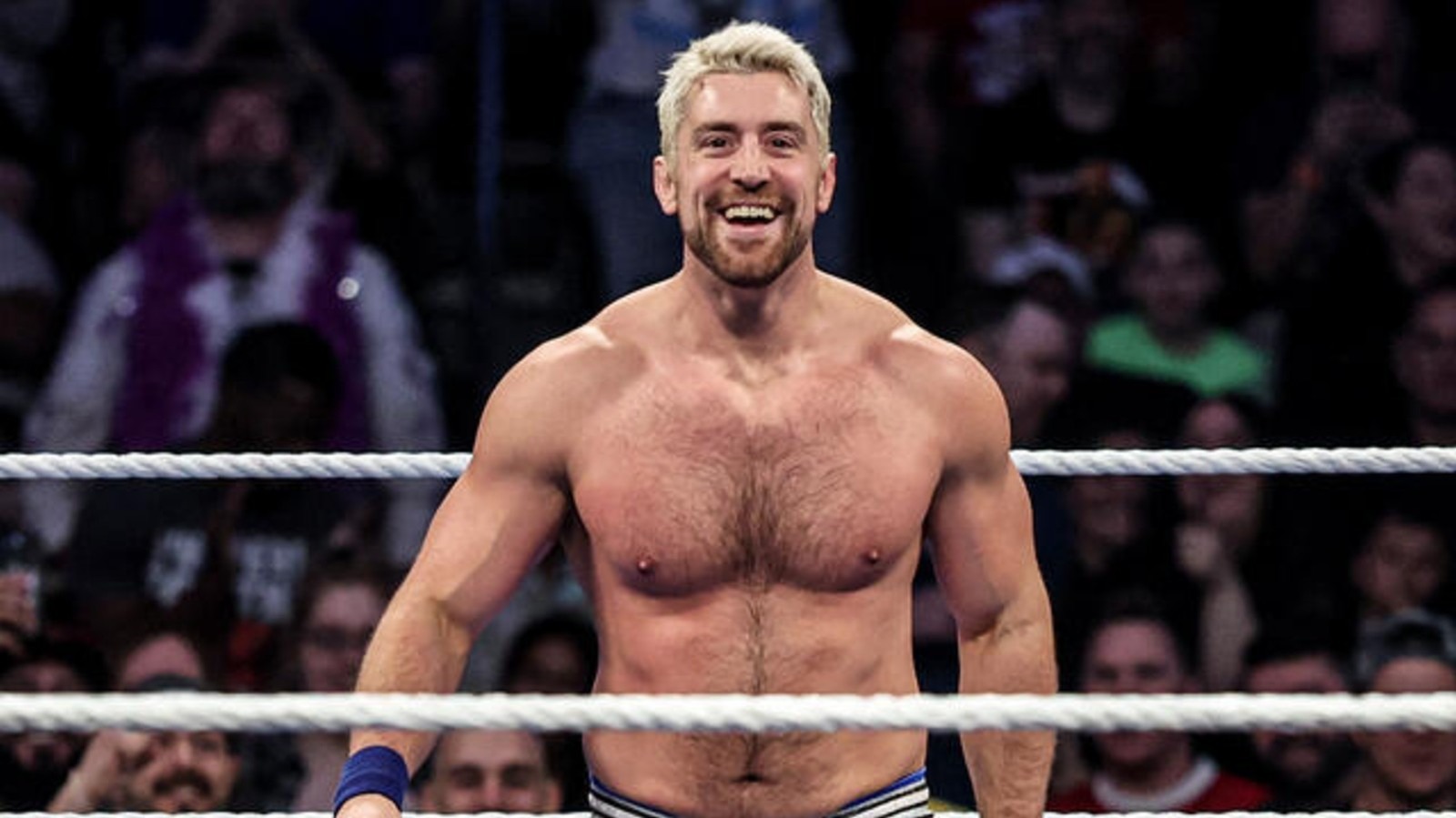
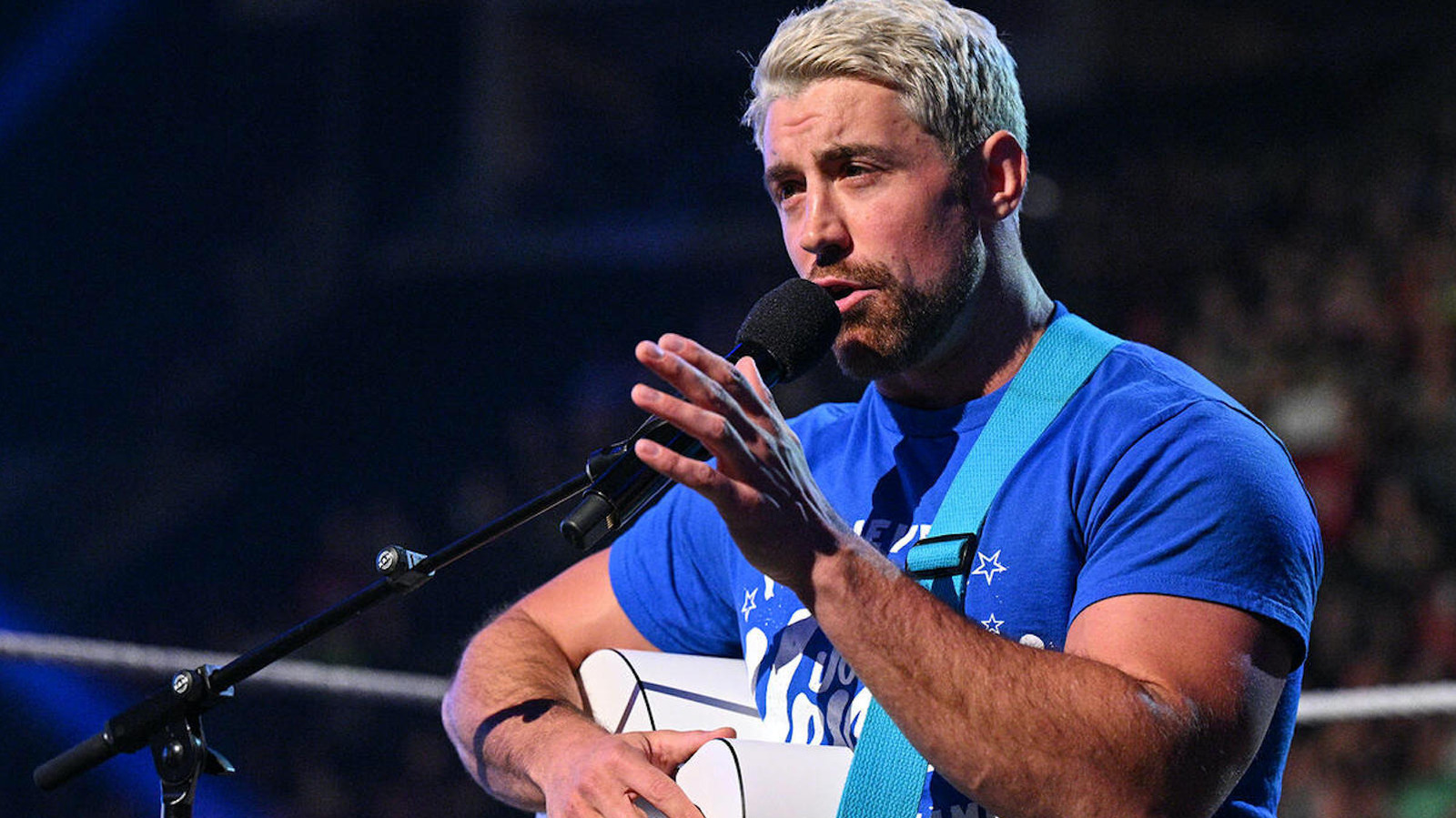
In the world of professional wrestling, viral algorithms are rarely a substitute for sustained push. Joe Hendry arrived on WWE Raw in April, a move that followed his NXT Championship victory this past February. The jump from NXT to the main roster is a graveyard for momentum, yet Hendry is currently trending with a trajectory most rookies would kill for.
Jeff Jarrett, a veteran who has navigated every promotion structure imaginable, thinks the window is already tightening. Jarrett recently noted on his podcast that Hendry operates on a clock dictated less by talent and more by audience attention span. When you enter a massive machine like WWE, your initial velocity is finite. You either capitalize on the television time provided or risk fading into the mid-card churn.
The math of the mid-card transition
The transition from a developmental brand to the Raw roster involves a severe reduction in available segment time. In NXT, Hendry functioned as the anchor, often receiving double-digit minutes for promos and high-stakes vignettes. On Raw, the time gets sliced to fit into a more crowded 180-minute broadcast window. This is where the statistics of his engagement start to matter.
If Hendry’s digital metrics do not translate to rating spikes during his appearances, the creative team will shift focus toward established stars. Consider the data: since his debut in April, his segments are viewed heavily on social clips. However, moving the needle on live viewership requires a different type of work in the ring. A successful transition necessitates high retention rates during segments where the story beats actually matter.
The danger of the ceiling
Jarrett’s assessment centers on the reality that Hendry’s current character relies heavily on the 'viral star' trope. This works well for a few months, but it carries a high risk of burnout. In the last three years, we have seen performers with massive digital footprints attempt to cross the bridge into full-time main event status, only to stall when forced into a standard 12-minute televised match layout that demands technical consistency over viral hooks.
The criticism here is simple. If Hendry relies purely on theme songs and quick clips, he remains an novelty act, not a top-tier draw. His path forward requires a shift toward intense, high-impact storytelling that holds up at 11:00 PM, long after the casuals have swiped away from their phones. The window is indeed closing, and the transition cost will be the most significant barrier in his career to date.