The NXT Exit Strategy
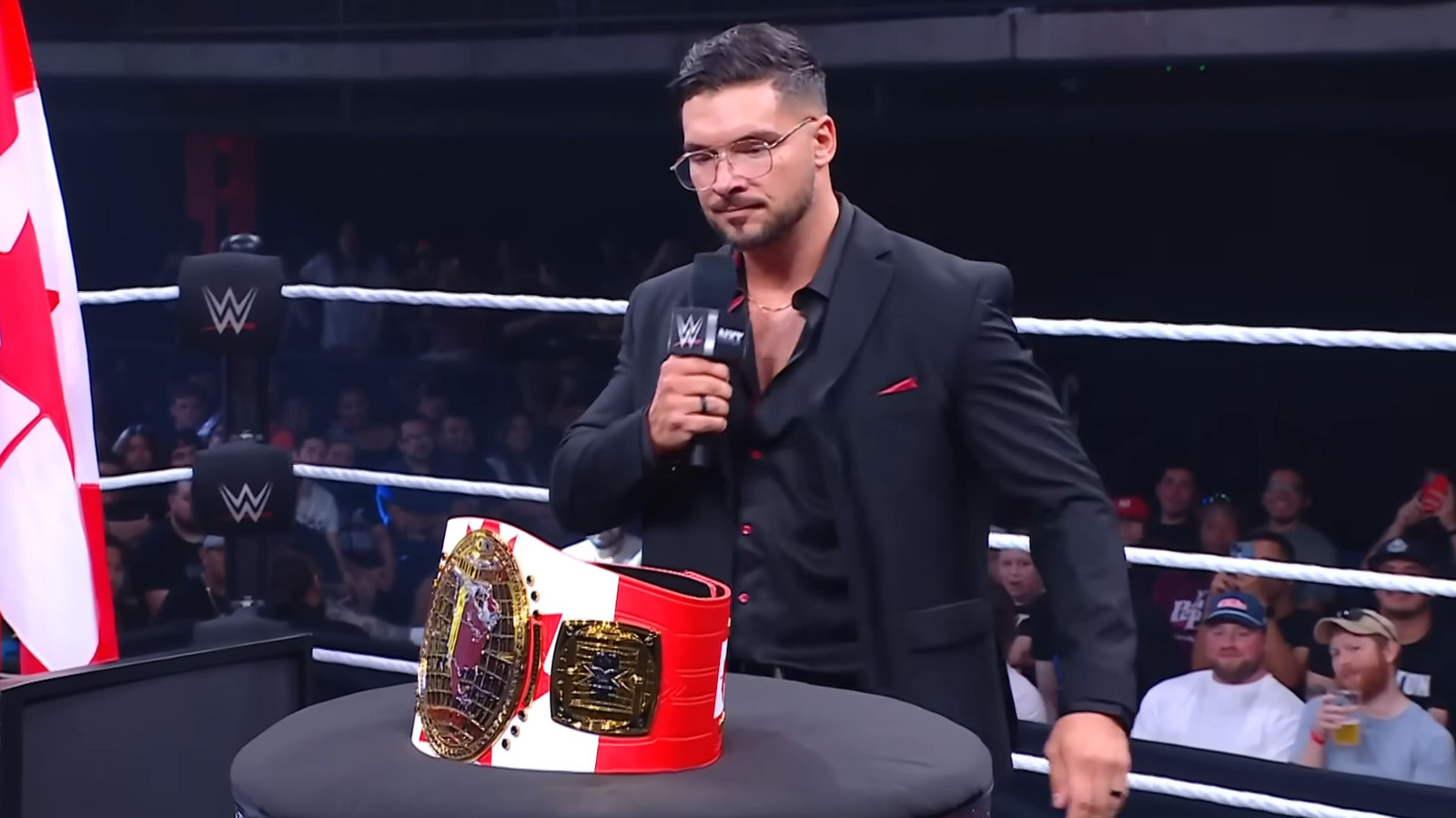
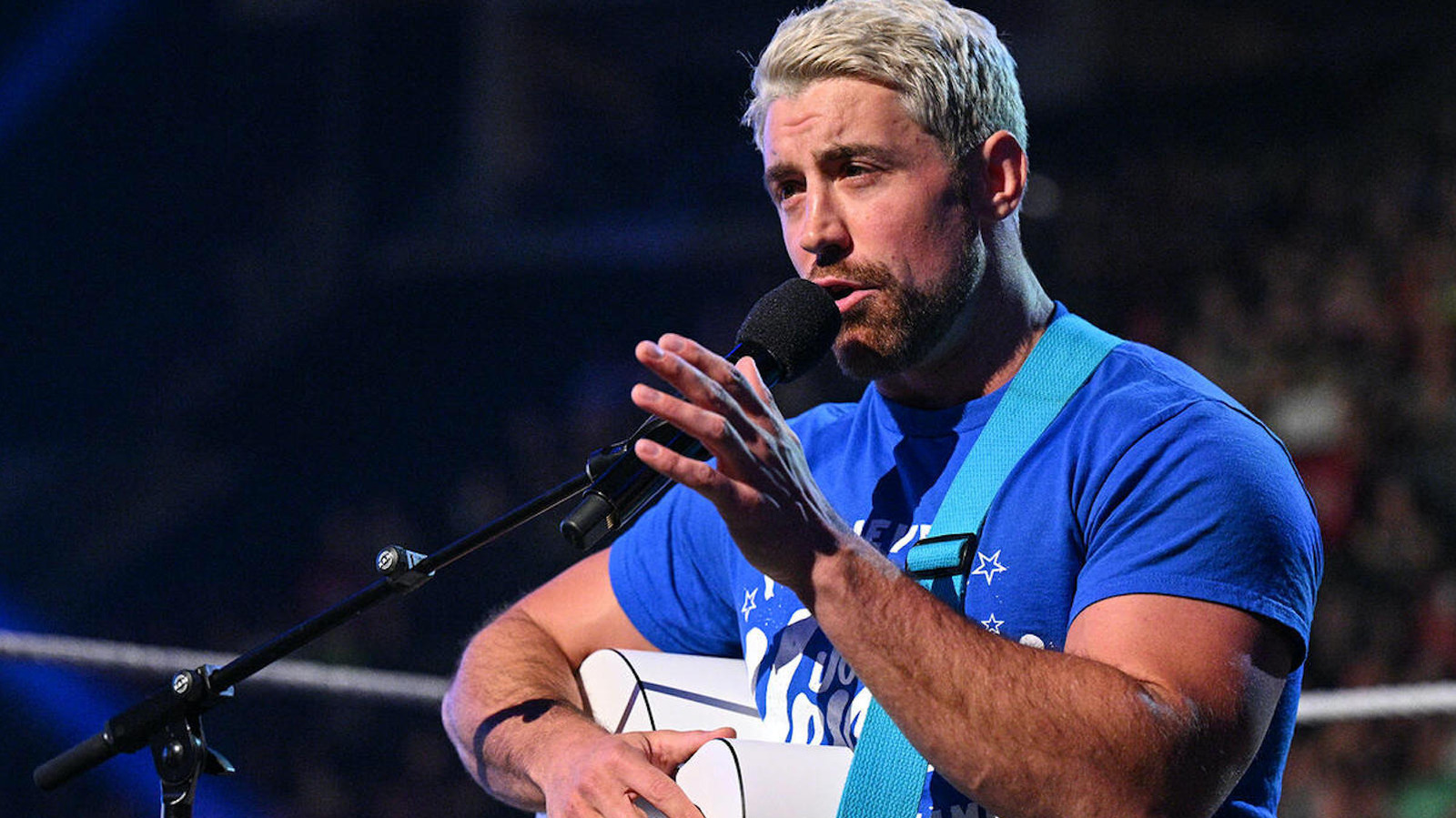
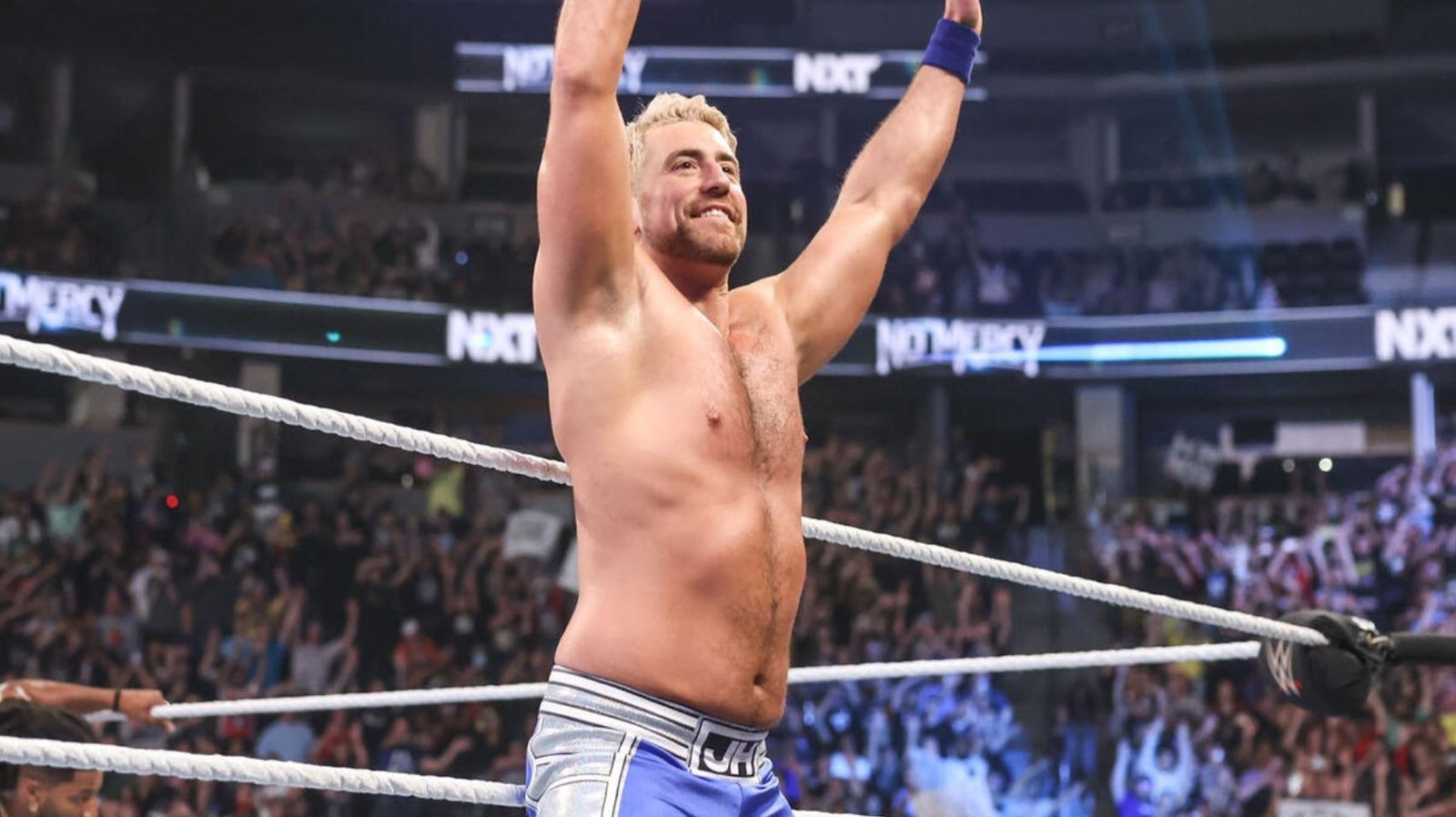
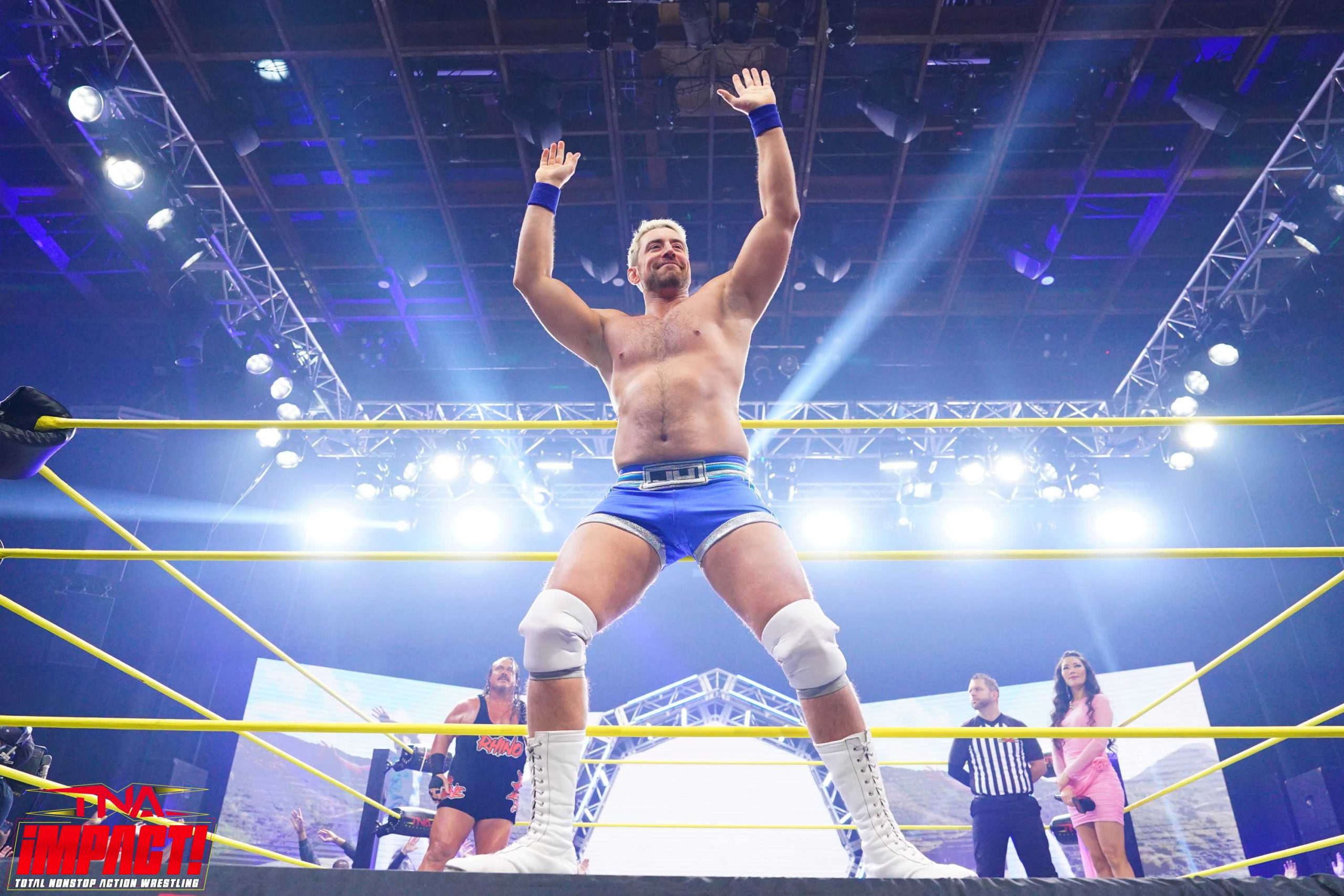
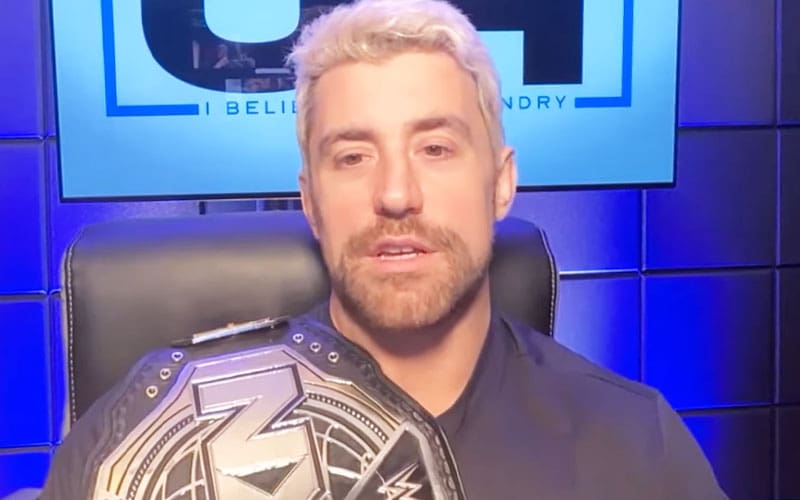
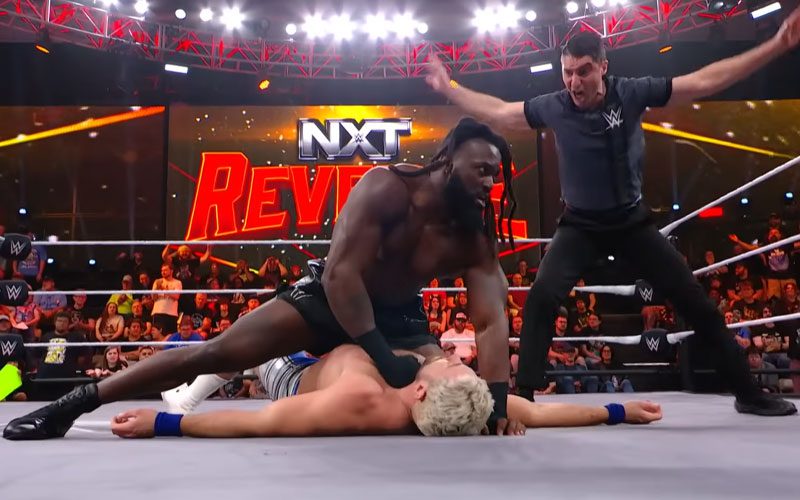
The writing has been on the wall since the first chord of his theme song echoed through the Capitol Wrestling Center, but the formal conclusion of the Joe Hendry NXT experiment arrived this week. It was a tactical exit, designed to leave the audience wanting more while acknowledging that the Performance Center had nothing left to teach a man who already conquered the digital algorithm. Hendry wasn't just another TNA crossover; he was a proof-of-concept for how WWE can utilize external viral assets without the traditional three-year developmental seasoning.
Data from the last quarter shows that Hendry’s segments consistently outperformed established NXT stars in the 18-34 demographic. His parody of the meta-irony that defines modern fandom isn't just a gimmick; it is a high-yield financial instrument. When he appeared on NXT, the social media engagement for the brand spiked by **14.2 million** impressions within 48 hours. That is the kind of leverage that gets you a locker room locker at the Enterprise Center on Monday nights.
However, the transition from the curated environment of NXT to the sprawling chaos of RAW is a jump that has broken more polished performers. The tactical shift required is immense. In NXT, Hendry could rely on a small, dedicated crowd that was in on the joke. On RAW, he has to convince a casual viewer in the nosebleeds of a 20,000-seat arena that a man singing about his opponent’s dental hygiene is a legitimate threat to the mid-card hierarchy.
The Tactical Analysis of the ‘I Believe’ Metric
If we look at Hendry through the lens of pure workrate, the skeptics have a point. His move set is functional rather than revolutionary. He relies heavily on the **Standing Ovation** — a chokeslam variant that requires his opponent to do the heavy lifting in terms of verticality. While his amateur background in the Commonwealth Games gives him a legitimate base, his televised matches often settle into a predictable rhythm of comedy spots followed by standard power moves.
The risk here is the Fandango effect. We have seen this play out before: a catchy theme song and a charismatic entrance mask a lack of long-term creative direction. Once the crowd finishes singing, the bell rings, and if the match doesn't maintain that energy, the irony curdles. RAW is a **three-hour** marathon that demands more than a three-minute musical intro. Hendry will need a foil who can bridge the gap between his comedic timing and the physical reality of the squared circle.
According to Ringside News, the decision to move him now suggests WWE wants to strike while the iron is at its absolute hottest. This isn't a slow build; it's a tactical insertion. By writing him off NXT TV immediately following WrestleMania 41, the office is signaling that he is part of the 'new season' of RAW, likely filling the charismatic void left by veterans who are transitioning into part-time roles.
The TNA Bridge and the Creative Ceiling
One cannot ignore the structural complexity of this move. Hendry remains a TNA asset in name, but his functionality is now purely WWE-centric. This is the first time we are seeing a 'loan' player move from a developmental third-brand straight to the flagship show. It suggests a level of trust in his professionalism that is rare for someone who hasn't spent years in the Stamford system.
But there is a negative observation to be made about his booking: Hendry is often placed in situations where he is protected by the 'moment' rather than his performance. In his last three NXT outings, his actual time spent wrestling in the ring averaged less than six minutes. On RAW, the segments are longer, the commercial breaks are more disruptive, and the audience is less patient. If he is booked in a 12-minute technical struggle with someone like Chad Gable, the 'I Believe' chants might fade by the second commercial break.
The merch numbers are the only shield he has. Currently, his shirts are retailing for **$45** and are frequently sold out in common sizes. In the post-Cody Rhodes era of wrestling, being a 'moving needle' matters more than your ability to execute a perfect 450 splash. Hendry moves the needle, even if his actual wrestling win rate is a pedestrian **64%** across his various crossover appearances.
The Verdict on the Monday Night Jump
My prediction is that Hendry debuts on RAW as a targeted antagonist for a high-level heel who lacks a sense of humor. Think Gunther or a newly heel-turned Seth Rollins. The contrast between Hendry’s absurdity and their self-seriousness is where the money is. He doesn't need to win the World Heavyweight Championship to be a success; he just needs to survive the first six months without becoming a repetitive novelty act.
The data suggests he will be a top-five merchandise mover by the time we hit SummerSlam. The audience is hungry for characters who acknowledge the absurdity of the sport without winking too hard at the camera. Hendry walks that line better than anyone since the early days of LA Knight. He is a tactician of the 'pop,' and right now, the WWE fans are ready to buy what he is selling.
We are moving away from the era of the generic workhorse. The RAW roster is already bloated with guys who can hit every move in the book but can't hold a microphone for sixty seconds without losing the room. Hendry is the inverse. He owns the room before he even enters it. As long as the creative team doesn't over-script his musical segments, he should find a permanent home in the upper mid-card.
Final Prediction for the Debut
Expect a debut segment involving a musical parody of a major RAW star. The numbers don't lie: Hendry is a viral powerhouse who has managed to stay relevant for over two years without the backing of a major machine. Now that he has the WWE production budget behind his videos, the quality of his output will likely skyrocket. He is the first true 'Internet Champion' who actually has the charisma to back it up on the big stage.
The experiment begins next week. If the RAW crowd sings along with the same fervor as the NXT crowd, then WWE has officially found a way to weaponize the TNA roster for their own gain. It’s a low-risk, high-reward move for Triple H and the creative team. If it fails, he goes back to TNA. If it works, they have a new superstar who didn't cost them a dime in developmental training fees.