The Cost of a Classic
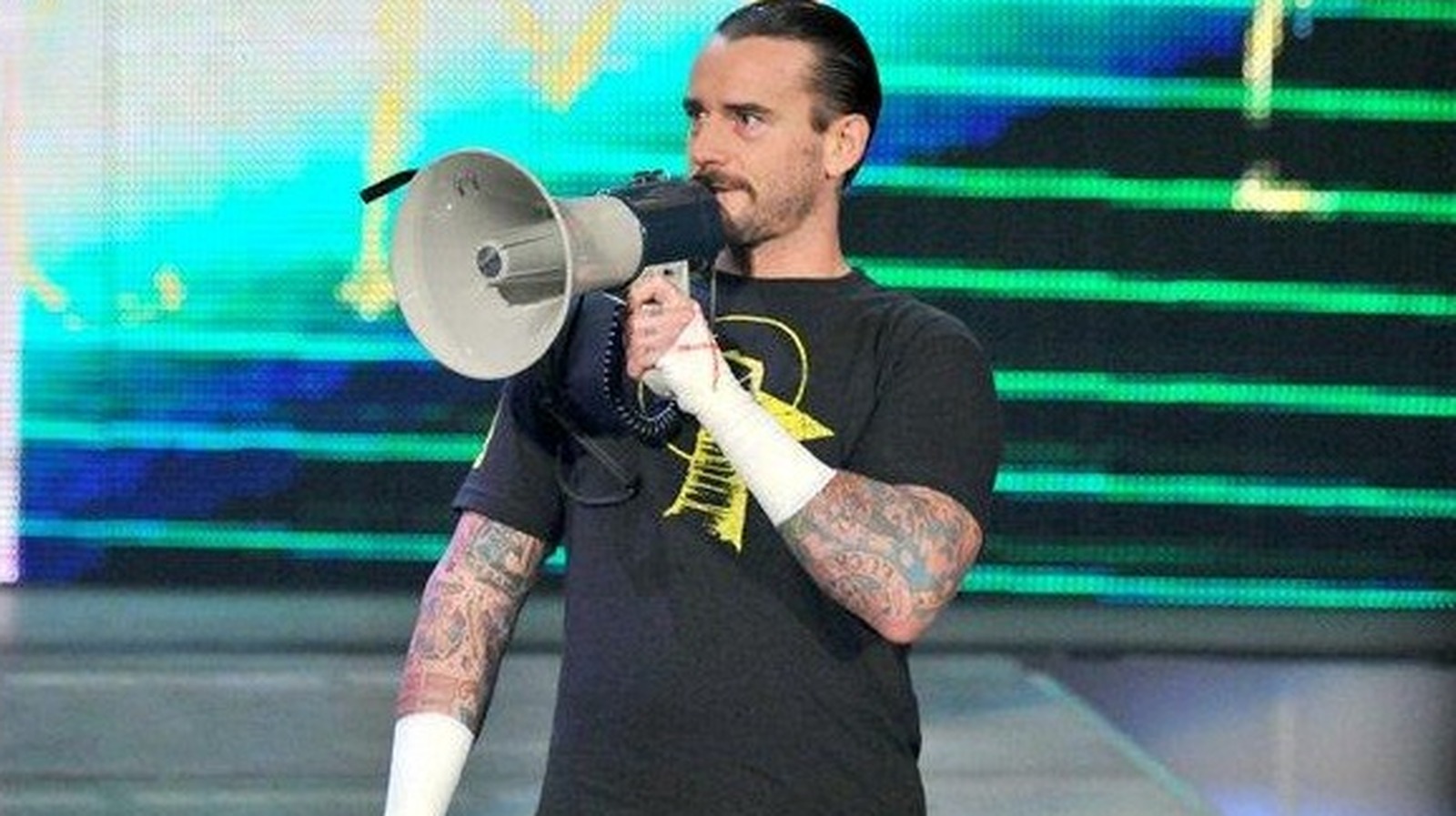
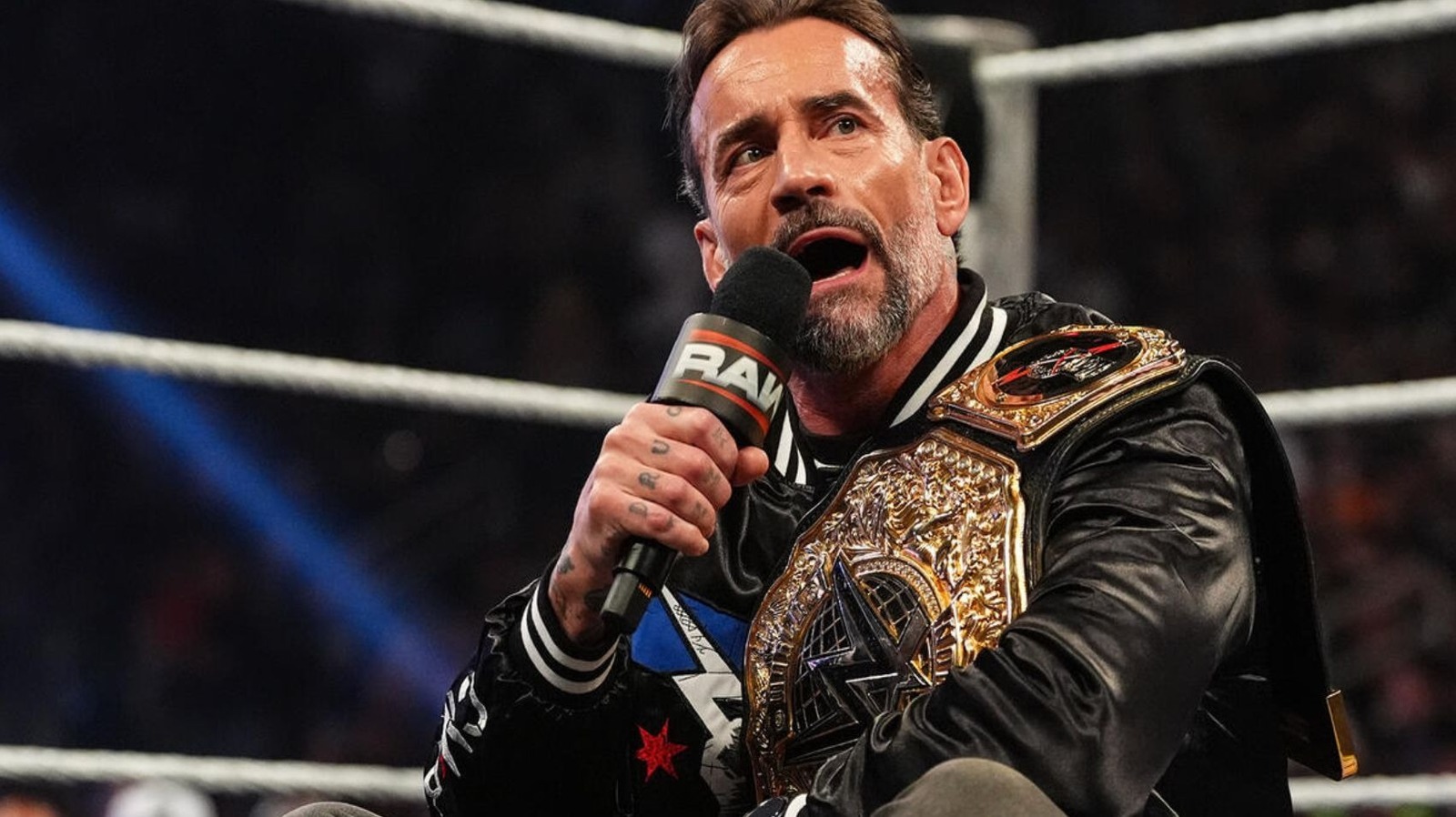
Just one month after a dramatic, hard-fought battle at WrestleMania 41, the reality of the cost of that match for CM Punk is setting in. Sources have confirmed that Punk underwent surgery last month to repair a complete triceps tendon tear suffered during his main event encounter. The procedure, performed in late April, was successful, but it marks the beginning of a long and arduous road to recovery, sidelining one of WWE’s biggest stars for the remainder of the year and casting a long shadow over the company's creative plans.
The injury reportedly occurred deep into the match, during a high-risk sequence off the top rope. The television cameras missed the immediate aftermath, but ringside observers noted Punk immediately favoring his arm after delivering the move, a clear sign that something had gone terribly wrong. He gutted his way through the final few minutes of the contest on pure adrenaline, a gutsy but perhaps costly decision.
The Medical Reality
A complete rupture of the distal triceps tendon is a severe injury for any athlete, but it is particularly devastating for a professional wrestler. The tendon, which anchors the triceps muscle to the elbow bone, is essential for all pushing movements—the very foundation of most offensive maneuvers in the ring. When it tears completely, surgery is the only viable option for a return to high-level performance. The procedure itself involves anchoring the torn tendon back to the bone, often with sutures passed through bone tunnels.
The recovery process is notoriously grueling. The initial phase involves several weeks of near-total immobilization to protect the surgical repair. This is typically followed by a painful period of physical therapy focused on carefully restoring the elbow's range of motion. Only after several months can an athlete begin the process of rebuilding strength. Most surgeons and physical therapists estimate a return-to-ring timeline of 8 to 10 months. This puts a potential return for Punk somewhere between December 2026 and February 2027, erasing any possibility of a summer or fall return.
This long layoff is where the secondary risks emerge: muscle atrophy, persistent stiffness, and the psychological toll of a long rehabilitation. For an older athlete like Punk, the challenge is magnified. Regaining the explosive power required in a WWE main event is a monumental task.
A Wrench in WWE's Plans
The timing is brutal for WWE. Punk’s return had been a massive injection of energy and viewership, and his WrestleMania 41 match was positioned as the climax of a huge storyline. His absence now leaves a gaping hole at the top of the card. Storylines planned for the summer and fall, likely involving Punk in the championship picture heading towards the Royal Rumble, must be completely scrapped. This forces a reshuffle and places immense pressure on other top stars like Cody Rhodes and Roman Reigns to carry an even heavier load.
There's also a critical, uncomfortable question to be asked of WWE's management. Placing a 47-year-old wrestler with a history of significant injuries—including a similar triceps tear in the other arm years ago—in a long, high-impact WrestleMania main event was a calculated risk. While the match delivered in terms of drama, the gamble has now backfired spectacularly, costing the company one of its most valuable assets for the better part of a year. It's a stark reminder of the razor's edge between delivering fan service and protecting the performers.
History Repeats Itself
This is, unfortunately, familiar territory for CM Punk. His career has been a litany of major injuries at the worst possible times, from a fractured skull to previous tears and surgeries. This history, however, also provides a sliver of hope. He has successfully returned from devastating injuries before. He knows the mental and physical grind of rehabilitation better than almost anyone in the locker room.
The modern wrestling landscape is also filled with tales of remarkable recoveries. Cody Rhodes famously wrestled with a fully torn pectoral muscle, while Edge made a miraculous comeback from what was thought to be a career-ending neck injury. These examples prove that a return is possible. But every injury is different, and at Punk's age, the hill is steeper than ever. The next several months will be a quiet, painful battle fought far from the roar of the crowd, a battle that will determine if the Second City Saint has one more run left in him.
Read Next
- John Cena's Final Act: Can His Body Cash the Checks His Words Are Writing?
- Top 10: The Definitive Cody Rhodes Power Rankings
- A 5-Year-Old Podcast Just Became a WWE Crystal Ball
- WWE's World Cup Problem: A Roster of Nations, A Fandom of One
- 🏆 WrestleMania 41 — Full Coverage Hub
- 💊 CM Punk WWE 2026 — Best in the World