Good Ol' JR keeps fighting
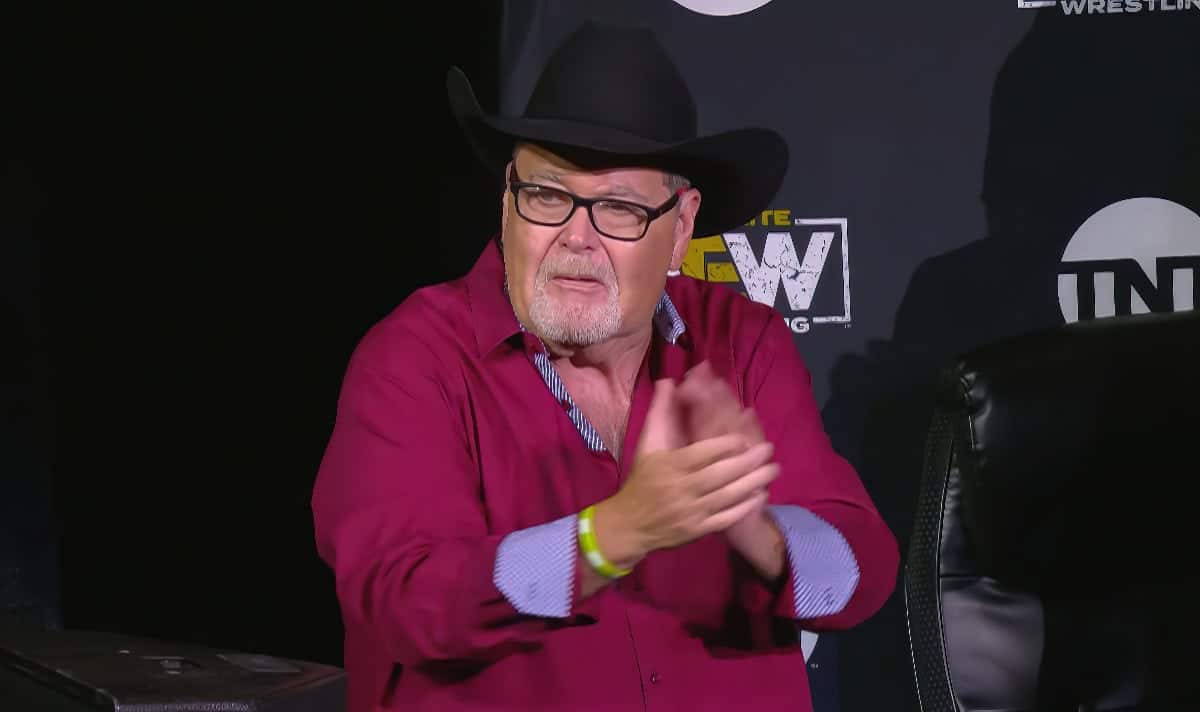
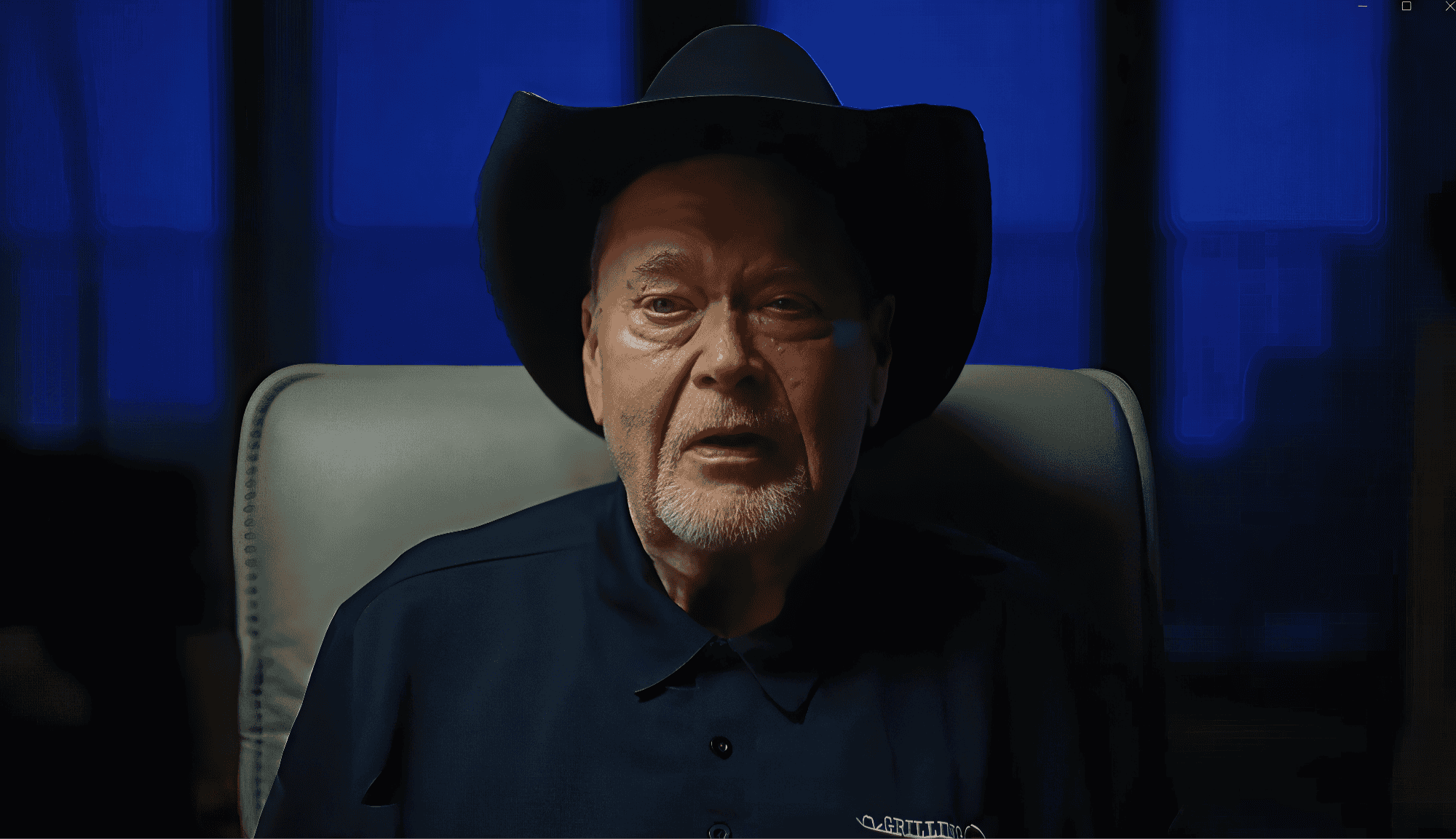
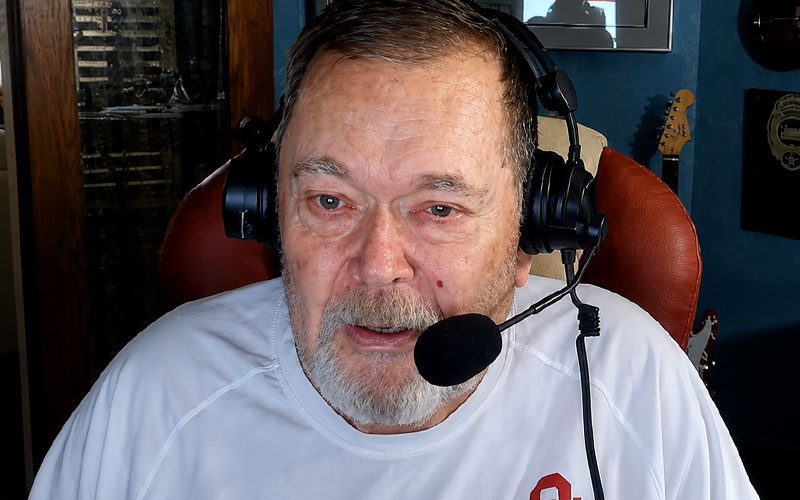
If you have been reading the updates from the AEW Double or Nothing weekend, you know that Jim Ross had a weekend from hell. Getting hit with a nasty fall while traveling is tough for anyone, but for a legend who has already dealt with more health scares than a vintage Buick, it hits different. People are rightfully angry that a man who has anchored the broadcast booth for decades is still dealing with this kind of physical turmoil just to call a show.
The consensus online isn't just concern; it is genuine outrage aimed at the logistics of professional wrestling travel. JR mentioned the fall and the subsequent nightmare during his recent comments, and fans are digging into the details. Some are pointing out how airlines seem to go out of their way to break our aging icons. It feels like the industry is constantly putting its living history through a meat grinder just to get them to the gorilla position on time.
The internet reacts to the grind
Depending on which subreddit or discord you check, the take shifts from sympathy to structural critiques. You have the 'respect the work' crowd who view JR moving through the pain as a badge of honor. To them, he is the iron man, the guy who refuses to sit on the couch while the business he spent his life building continues to grow. It is a romanticized view, honestly, but it ignores the reality of his recovery process.
Then you have the pragmatists who are screaming for him to just hang it up already. One recurring comment across social media suggests that the risks simply aren't worth the reward at this stage of his life. Fans are asking why a company with a billionaire backer cannot provide private transport or a reduced schedule that avoids these airport nightmares entirely. The frustration isn't with JR—it is with the system.
Is the nostalgia worth the cost?
There is a harsh reality here that people are dancing around. Is calling a three-hour pay-per-view worth a major fall in an airport terminal? My take is simple: no. We are witnessing a legend put his personal well-being on the line for a mid-card match transition. While his voice still provides that big-game feeling, we have enough talent on the roster now that we shouldn't be sweating over his travel itinerary like it is a state secret.
Some contrarians argue that he needs the work to stay sharp, but that is a flimsy excuse. If you look at the booking patterns of recent shows, it feels like AEW relies on that familiar cadence to ground the chaotic brawls. It is a psychological crutch for the production team. When he describes a high-spot gone wrong, we immediately take it seriously because of the gravitas in his voice. That is a skill, but eventually, the body stops cooperating with the brain.
The logistics problem
We are talking about a man who has seen everything from the peak of Monday Night Raw to the creative evolution since the Jacksonville launch. Why are we still letting travel agents—or lack thereof—dictate the safety of someone with his history? The lack of professional handling here feels like a systemic oversight. It is not just a 'travel nightmare,' it is a failure of care.
I am seeing comments suggesting that travel managers are the real villains in the professional wrestling world, and they aren't wrong. Getting from point A to point B shouldn't involve a tumble that puts you on the sidelines. If he wants to continue, he needs a bodyguard-level logistics team to ensure he makes it to the commentary table without putting his health in jeopardy. Anything less is a slap in the face to his contributions.
The fans are right to be protective. We have lost too many legends to complications of health and travel, and we don't need another one. If he stays in the booth, the company better have a private plane or a massive SUV on standby, because seeing him go through this just to be there for a transition spot is getting harder to stomach every time I turn on the television.