The Physical Toll of Corporate Anxiety
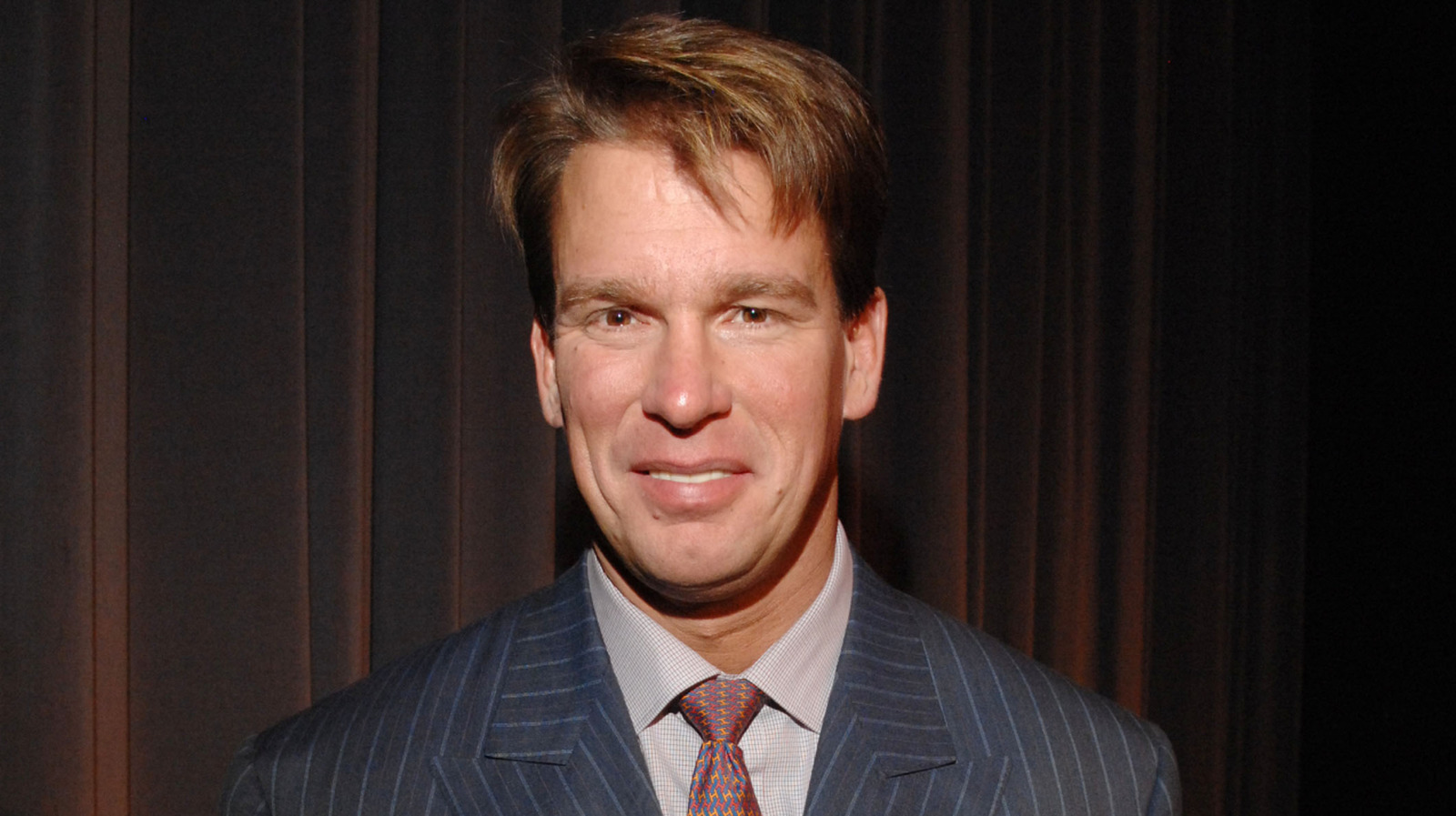
JBL said the quiet part out loud this week. Commenting on the recent wave of WWE roster moves, the Hall of Famer noted simply that the company is "cutting people that they think they don't need." It is a harsh assessment, completely stripped of the usual corporate PR spin, and it perfectly encapsulates the reality of the TKO era. But beyond the financial spreadsheets and the contract negotiations, there is a very real physical consequence to this kind of ruthless roster management.
When management makes it clear that anyone not viewed as essential is expendable, the immediate casualty in the locker room isn't just morale. It is physical health. Wrestlers are inherently conditioned to protect their spots.
When the threat of a release looms, the willingness to work through pain skyrockets. Athletes who should be resting minor tweaks—a strained rotator cuff, a hyper-extended knee, a tweaked lower back—suddenly decide they are fine to go. They push through the pain because taking time off means giving management a reason to decide they aren't needed.
This isn't a new phenomenon, but the stakes feel entirely different now. Under the previous regime, there was often a sense of loyalty to long-tenured talent. Under TKO, the approach is driven entirely by data and profit margins. If a wrestler isn't moving merchandise or driving social media engagement, their spot on the card, and their employment status, is in jeopardy.
The Danger of Hiding Injuries
As a medical and fitness analyst watching this industry, the direct correlation between job insecurity and catastrophic injury is terrifying. When a wrestler works on a compromised joint to avoid losing television time, they alter their mechanics. A slightly sprained ankle means putting more weight on the opposite knee during a landing. That overcompensation turns a minor two-week recovery into a torn ACL that requires nine months of surgical rehabilitation.
We see this cycle repeat constantly. Talent will mask concussions. They will ignore numbness in their extremities.
They will self-medicate with ice, tape, and painkillers to make it through a dark match just to prove they are reliable. JBL’s blunt quote highlights the exact corporate mindset that fuels this dangerous behavior. If the company is actively trimming the fat, nobody wants to be perceived as fragile.
The medical staff in WWE is top-tier. They have incredible protocols in place for concussion management and orthopedic care. But doctors can only treat what athletes report. When the fear of unemployment outweighs the fear of long-term physical damage, the reporting system breaks down. You end up with a locker room of walking wounded, held together by athletic tape and adrenaline.
A Reduced Roster Means Increased Workload
There is another side to the cuts that directly impacts the physical well-being of the roster. When WWE trims the people they "don't need," the workload for the people they do need increases significantly. Television time still needs to be filled. Live event tours still need main events. If the mid-card is decimated by releases, the top stars are forced to carry a heavier burden.
Look at the current schedule following WrestleMania 41. The pace has not slowed down. Top stars like Cody Rhodes and CM Punk are carrying immense physical loads following their major stadium bouts. When the depth chart shrinks, the margin for error for the remaining roster disappears. You cannot afford to give a top guy a weekend off if there is no credible secondary star to main event the house show loop.
This increased workload accelerates the wear and tear on the body. Professional wrestling is not an off-season sport. It is a grueling, 52-week grind that asks the human body to absorb car-crash impacts on a nightly basis. Reducing the number of bodies available to take those impacts means the remaining bodies absorb more of them. It is simple math, and it usually results in a spike in injury rates roughly three to four months after a major roster purge.
The 90-Day Physical Reset
For the talent actually caught in the wave of cuts JBL referenced, the immediate aftermath is obviously stressful. But from a purely physical standpoint, the mandated 90-day non-compete clause often serves as a vital medical reset. For the first time in years, these athletes are forced to stop taking bumps.
Many released wrestlers report that the first few weeks away from the ring are when the real pain sets in. The adrenaline of the road wears off, and the chronic injuries they have been ignoring suddenly demand attention. This recovery window allows for physical therapy, minor surgical clean-ups, and most importantly, central nervous system recovery. The travel schedule alone—navigating airports, driving rental cars at 2 AM, sleeping in different hotel beds—wreaks havoc on spinal alignment and recovery cycles.
When these talents eventually resurface on the independent scene or in promotions like AEW—with Double or Nothing just nine days away—they often look physically rejuvenated. The irony is that the very act of being fired gives them the time to heal the injuries they sustained trying to keep their jobs.
The Long-Term Strategic Flaw
JBL is not wrong. WWE is operating like a traditional sports franchise, trimming the bottom of the roster to maximize efficiency. But professional wrestling is not traditional sports. You cannot call up a player from the practice squad and expect them to immediately understand the psychology of a 20-minute television match.
The talent WWE thinks they "don't need" today are often the experienced workers who safely guide younger prospects through live events. They are the base of the pyramid that keeps the top stars safe.
When you gut the middle of the roster, you force inexperienced talent into high-pressure situations before they are physically or mentally ready. That inexperience leads to mistakes in the ring. A mistimed spot or a dropped hold doesn't just result in a bad match; it results in broken necks and shattered orbitals.
The corporate strategy of aggressive roster cuts looks great on a quarterly earnings report. But in the ring, it creates a fragile situation. The pressure to perform while injured increases, the workload on the remaining stars intensifies, and the safety net of experienced mid-card talent vanishes.
The Harsh Reality of the TKO Era
We are firmly entrenched in a new era of sports entertainment. The romanticized idea of a wrestling promotion taking care of its talent like family is dead. It has been replaced by a ruthless, numbers-driven machine. JBL's comments are simply a reflection of this reality.
As a medical observer, the fallout from this mindset is deeply concerning. The human body has limits. You can only demand perfection under the threat of termination for so long before the body breaks down. Wrestlers will continue to tape up their joints, swallow painkillers, and smile for the hard cam, terrified that any sign of weakness will put them on the wrong side of the next spreadsheet.
This is the hidden cost of cutting the people you think you don't need. The people you keep are forced to work closer to the edge, and eventually, the edge gives way. Until the industry addresses the direct link between job security and reporting injuries, the locker room will remain a ticking time bomb of unhealed trauma.