Availability as a Weapon
Availability is the most heavily scrutinized metric in professional wrestling. We have seen countless championship pushes derailed by a torn ACL, a badly timed concussion, or a blown-out shoulder. The trainer's room is filled with "what ifs" and derailed momentum.
But right now, WWE's creative shift toward Fatal Influence stems from a completely different variable. They possess the relentless consistency and physical durability of a faction that refuses to be ignored.
"Fatal Influence will be featured more prominently after impressing WWE's creative team according to a new report."
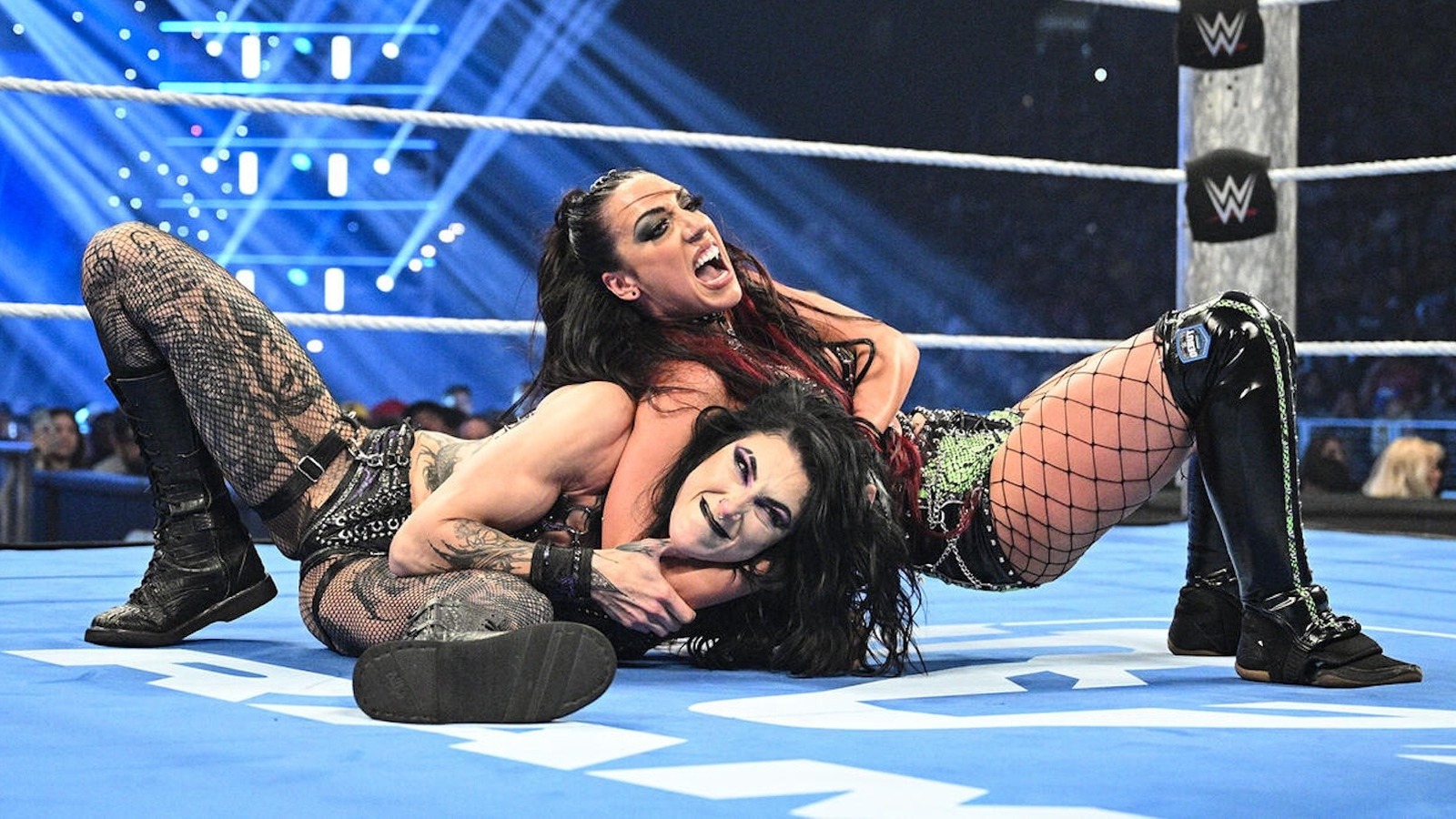
According to a recent report from Wrestling Inc, the creative team has been actively altering their long-term booking plans to accommodate Jacy Jayne, Fallon Henley, and Jazmyn Nyx. The crowd reactions are becoming impossible to ignore. The fans are buying into their aggressive, coordinated act.
From a sports medicine and performance standpoint, their sudden rise highlights a harsh truth about the modern WWE product. When the rest of the roster is battered, bruised, and begging for a week off, the healthiest and most conditioned athletes take the prize. You have to be physically present to claim your spot.
The Danger of the Pivot
Shifting creative plans mid-stream is always a risky proposition for WWE. Writers script story arcs months in advance. Tearing up those scripts because a crowd refuses to stop reacting to a particular faction requires immense confidence in that group's physical reliability.
We saw this exact scenario play out in the past with the organic groundswell behind LA Knight. Management only pulls the trigger when they are convinced the talent will not break down under the increased workload. The medical staff has to sign off on a talent's structural integrity just as much as the creative team signs off on their microphone skills.
Fatal Influence has checked every single physical box. They are not carrying lingering shoulder issues. They aren't heavily taped up before they walk through the curtain. They are operating at peak physical efficiency at a time when a massive chunk of the locker room is battling nagging injuries.
Capitalizing on the Attrition Rate
The past two years have been brutally unforgiving for the WWE women's division. Major names like Cora Jade, Nikkita Lyons, and Shotzi have spent massive chunks of time on the shelf. They have dealt with severe ACL tears, meniscus damage, and complex reconstructive surgeries.
The physical toll of the modern, high-impact ring style is breaking bodies down at an alarming rate. Fatal Influence has survived this ongoing war of attrition. They have managed to stay on television virtually every week, taking bumps and working physical matches without ending up on the surgical table.
That kind of reliability is gold to a booking committee. You cannot build a six-month storyline around a superstar who might tear a knee ligament on a basic leapfrog sequence. The torque and impact generated in modern sequences leave zero margin for error. Creative needs absolute certainty.
The Physiology of a Push
Let's look at the individual components of this faction. Jacy Jayne knows exactly what it means to work through the pain barrier. During her early singles run, she suffered a nasty broken nose that forced her into a protective face shield.
Facial fractures are notoriously difficult to wrestle with. They restrict breathing airways, impair peripheral vision, and completely alter a performer's equilibrium in the ring. A simple lock-up becomes a hazard.
Jayne didn't take six months off to wait for a perfect healing window. She incorporated the injury into her character work, adapted her bumping style to protect her face, and kept her spot on the card. That kind of pain tolerance buys serious equity with management.
Fallon Henley presents a completely different kind of athletic profile. Her transition from a beloved country-girl babyface to a vicious, sneering heel demanded far more than a new wardrobe. It required a complete overhaul of her biomechanics and ring psychology.
Babyfaces rely on explosive, high-cardio bursts of offense to generate crowd heat. Heels have to grind their opponents down, utilizing heavy strikes, mat-based holds, and slower pacing. Henley has shown incredible cardiovascular endurance, allowing her to control the tempo of matches without getting blown up or looking fatigued.
The Rookie Conditioning
Then there is Jazmyn Nyx. She brings a fascinating athletic background to the table. As a former high-level soccer player, her lower-body explosiveness is elite. Soccer players typically have outstanding VO2 max levels and exceptional fast-twitch muscle fiber development in their legs.
You can see this translate directly to her in-ring movement. Her Pele kick serves as more than a flashy stunt. It is a biomechanically sound strike generated by years of repetitive kicking mechanics on the pitch. She generates force from her hips rather than just throwing her leg up blindly.
Nyx has bypassed the usual growing pains that plague crossover athletes. Many former team-sport athletes struggle with the specific bump conditioning required for pro wrestling. Your neck and back have to literally callous to the repetitive impact of hitting the canvas.
It takes years for the spine to adjust to that kind of trauma. Nyx has absorbed that physical punishment without missing a beat. That rapid physical adaptation is a major reason why WWE creative feels comfortable trusting a relatively inexperienced performer in high-profile television segments.
Crowd Reactions Dictating the Pace
The wrestling audience is notoriously stubborn. You cannot force them to care about a performer just by giving them television time. The organic reactions Fatal Influence is receiving stem from their cohesive presentation and undeniable ring work.
Every time they step through the curtain, the crowd responds. Whether it is deafening boos or reluctant cheers, the volume is high. In WWE, silence is the only real enemy. Management will always pivot toward the noise, especially when the talent generating it is completely healthy.
We are sitting on May 14, 2026. The spring schedule is heavily in motion. The massive stadium shows are in the rearview mirror, and the gritty summer schedule is starting to take shape. This is historically the period where WWE experiments with new pushes and elevates fresh talent to fill the gaps left by roster fatigue.
The Reality of Creative Shifts
There is a definitive downside to this sudden surge in prominence. A bigger push means longer television matches, grueling live event loops, and significantly more physical wear and tear.
The jump from standard 10-minute tag team bouts to main-event level programs requires a completely different level of cardiovascular stamina. Fatal Influence will now be tasked with carrying massive segments. They will be taking the hardest bumps and working with the absolute top tier of the roster.
That introduces a massive injury risk. The velocity of a main roster match is completely different from a developmental showcase. Opponents hit harder, the pace is significantly faster, and the margin for physical error evaporates.
If they can maintain their current level of health, the sky is the limit. The creative team has opened the door, but the brutal physical demands of a top-tier WWE run will be the ultimate test of their staying power. They have forced WWE's hand with their undeniable consistency. Now they just have to survive the spotlight.