The Disconnect of the Old Guard
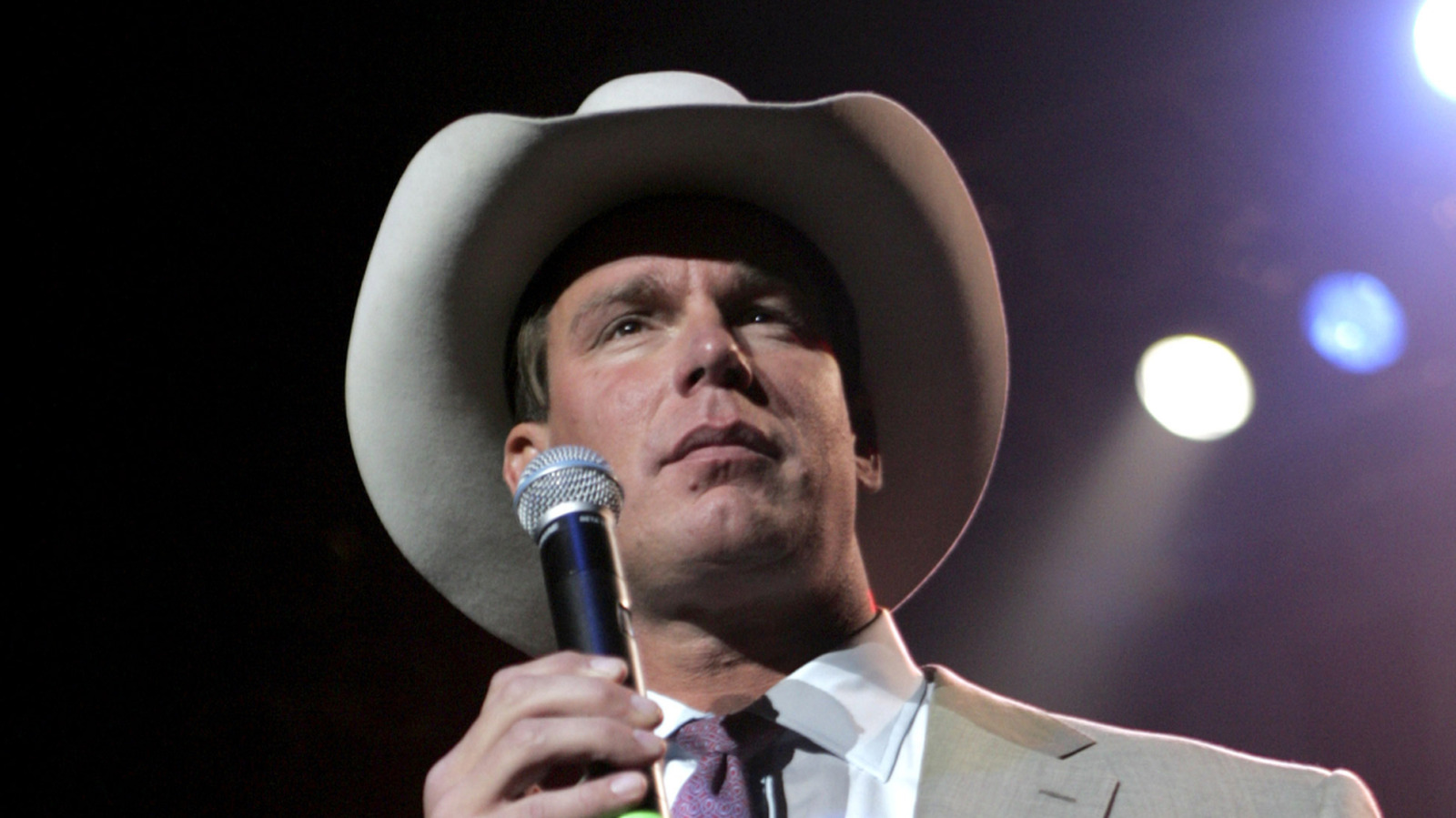
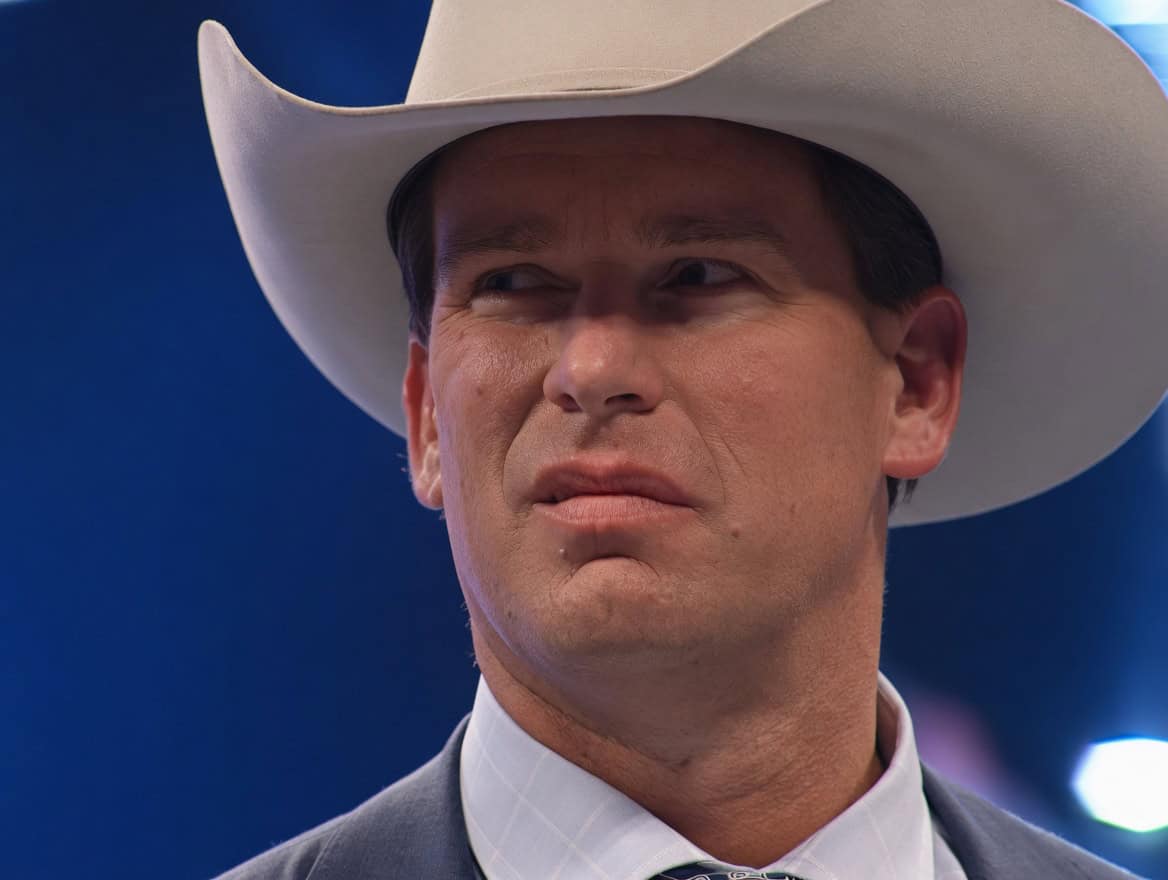
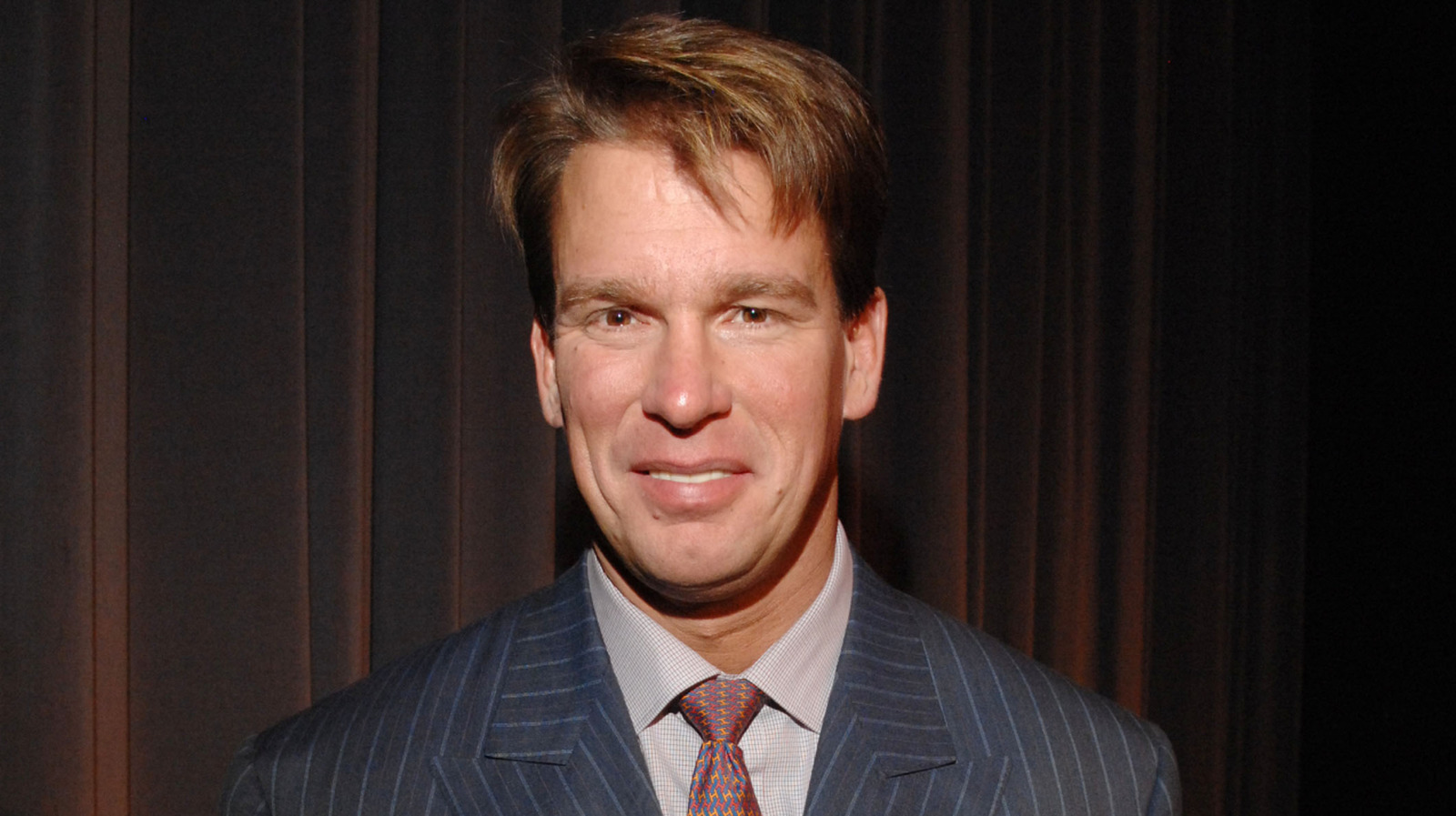
John Bradshaw Layfield never apologized for hitting people hard. He spent twenty years making a living through blunt force trauma. When asked about the recent WWE contract cuts following WrestleMania 41, his response to Wrestling Inc was entirely on brand.
"That's life."
He believes talent cuts are just part of the business. He refuses to blame WWE for trimming the fat. He isn't technically wrong. Professional wrestling is a brutal, unforgiving industry.
But his perspective feels like a relic from a locker room that no longer exists. Today is May 19, 2026. WrestleMania 41 in Las Vegas just shattered every gate record in company history. TKO Group Holdings is printing money at an unprecedented rate.
When a promotion is operating at absolute peak financial efficiency, dismissing roster cuts as a standard byproduct of the business is incredibly short-sighted. It ignores the deeper structural issues happening right now behind the curtain.
Algorithmic Roster Management
Every year, the post-WrestleMania period brings a familiar dread. The confetti gets swept up. The massive stadium sets are dismantled. Then, the phone calls start.
John Laurinaitis used to make those calls. Now, it is a different corporate voice delivering the same devastating news. You have a 90-day non-compete clause. Best of luck in your future endeavors.
The current TKO regime runs WWE with the cold, calculated precision of a hedge fund. This is no longer Vince McMahon arbitrarily deciding he hates someone's boots on a Tuesday afternoon. This is algorithmic.
It is entirely about return on investment. Management looks at minute-by-minute television ratings. They track merchandise conversion rates. If a wrestler is not moving the needle on social media engagement, they become a bad cell on a spreadsheet.
The roster bloat is real. WWE hoarded talent for years simply to keep them away from the competition. Now, under Endeavor's umbrella, the mandate is lean efficiency. They demand maximum output with minimal overhead.
Think about the sheer psychological toll of the impending phone call. Talent will sit in their hotel rooms after a grueling weekend loop, staring at their screens. They check their email for travel itineraries.
Instead of flight details to next week's SmackDown, they find a sterile meeting invite from a human resources executive they have never actually met. The disconnect between the physical sacrifice demanded by the sport and the corporate detachment of the firing process is staggering.
You break your neck in front of ten thousand screaming fans on Sunday. On Monday, you are quietly removed from the internal company Slack channel. The mid-card is no longer a safe place to collect a steady paycheck. You are either trending upward, or you are entirely expendable.
The Generational Divide
JBL's attitude stems from a pure survival-of-the-fittest mentality. He came up during the Monday Night Wars. He peaked during the Ruthless Aggression era. During his main event run in 2004, the SmackDown locker room was a total shark tank.
If you lost your spot back then, there was no safety net. But the economy of wrestling allowed for mistakes. You could get fired, go reinvent yourself in Japan, and return a much bigger star.
That path is infinitely narrower today. The modern environment is entirely different. Talent today are micro-managed from the moment they walk through the doors of the Performance Center in Orlando.
They are handed scripted promos. These scripts are written by television writers who simply do not understand the psychology of a wrestling match. Talent are told exactly when to look at the hard camera.
They are instructed to hit their marks, say their lines, and smile for the digital team. When a talent fails to get over under these strict, suffocating parameters, the blame invariably falls directly on the wrestler.
That is the ultimate hypocrisy of the modern WWE machine. They actively strip away the creative autonomy that allowed guys like Stone Cold or The Rock to organically connect with a live crowd.
Then, when the sterile, heavily produced character fails to resonate, the wrestler is handed their release papers.
The Mid-Card Booking Failure
This brings us to the most massive failure of the current booking regime under Triple H. WWE is exceptional at presenting its main event stars. The Cody Rhodes and CM Punk programs are treated with real prestige and nuance.
Everything below that top tier is frequently treated as an afterthought. Look at the recent television tapings over the last three weeks. We see the exact same repetitive three-minute matches.
These bouts are designed solely to bridge the gap between commercial breaks. Talents are given zero narrative arc. They run out, hit a signature spot, take a distraction roll-up, and disappear into catering for three weeks.
How can management justify cutting a wrestler for failing to connect when they were given precisely zero television time to build that connection? It borders on managerial malpractice.
You do not buy a sports car, leave it in the garage without gas, and then sell it for scrap because it didn't win a race. Yet, this is exactly how WWE manages the lower half of its roster.
They draft talent from NXT. They strip them of the presentation that made them popular on Tuesday nights. Then they throw them out to die in cold matches on Monday Night Raw.
When a wrestler knows their job is continuously on the line, the psychology of the match fractures. You stop wrestling to tell a long-term story. You start wrestling strictly for a viral social media clip.
We saw this on Raw recently. A perfectly serviceable mid-card match completely derailed. Both competitors were clearly trying to cram 15 minutes of complex spots into a four-minute television window.
The pacing was frantic. The selling was completely non-existent. A rolling elbow into a Code Red for a near-fall at 14 minutes is compelling professional wrestling. Doing that exact same sequence sixty seconds after the opening bell reeks of pure desperation.
It is the professional wrestling equivalent of a full-blown panic attack inside the squared circle.
The Alternative is Gone
For the newly released talent, the immediate future is terrifying. Five years ago, a WWE release was almost considered a badge of honor. You sat out your non-compete, printed a cool new shirt, and waited for Tony Khan's phone call.
That safety net is completely gone. AEW Double or Nothing is exactly five days away. The MGM Grand Garden Arena will be packed, but look closely at the AEW roster.
It is heavily bloated. It is incredibly top-heavy. Tony Khan simply cannot absorb another massive wave of WWE releases. The lifeboat is completely full.
When WWE cuts you in May 2026, you aren't getting a surprise debut segment in Tony Khan's company the following Wednesday. You are staring down the barrel of taking independent bookings for a fraction of your previous downside guarantee.
These cuts represent a massive shift in control back to the promotion. The wrestlers have significantly less power today than they did in 2021. When JBL brushes it off, he is ignoring the suffocating reality of a consolidated industry.
The Summer Prediction
The pressure inside the WWE locker room right now must be completely immense. Every dark match, every Main Event taping, every backstage digital exclusive is a literal audition for survival.
The veterans are constantly looking over their shoulders. They see the endless assembly line of incredible athletes pouring out of the Performance Center. The reality of professional wrestling in 2026 is that job security is a total myth.
You are only as valuable as your last quarter-hour television rating. It is a harsh truth, but it is the exact environment TKO has actively engineered over the last twelve months.
We are heading into a completely grueling summer schedule. The fallout from these post-WrestleMania releases will inevitably force the remaining mid-card talent to take much bigger risks.
Watch the ringside work closely over the next month. Watch exactly how stiff the strikes get. Watch the absolute desperation in the near-falls.
These aren't just characters fighting for a fictional championship belt. These are independent contractors fighting for their mortgages and their livelihoods.
My confident prediction for the upcoming summer is bleak. The in-ring product is going to become significantly more dangerous.
As the mid-card realizes they are fighting for their sheer economic survival, the bumps will get much riskier. The dives will get significantly more reckless.
Someone is going to get seriously hurt attempting a high-risk spot on free television just to avoid being the next name on the internal release sheet. JBL accepts this as the necessary cost of doing business. But for the men and women lacing up their boots tonight, the cost is absolutely everything.