
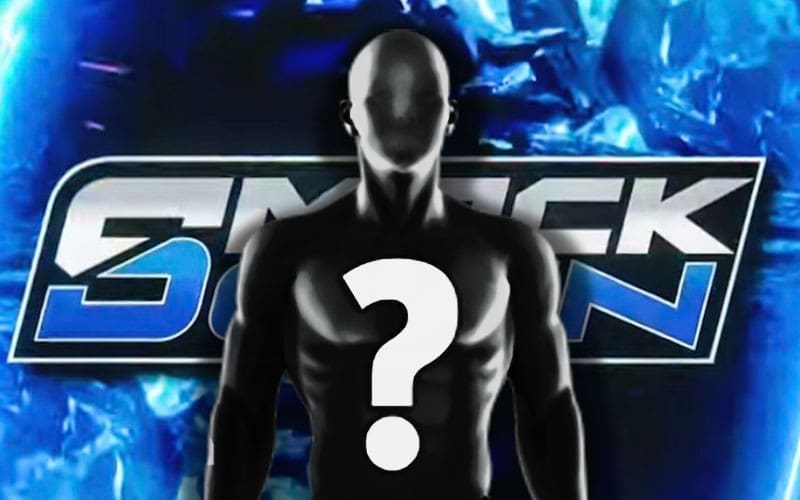
Tonight's segment-heavy SmackDown is WWE's true summer reset
The true reset of the calendar year
WrestleMania is the climax, but Backlash is the epilogue. That has been the defining rhythm of WWE television for the better part of two decades. You spend April wrapping up the loose ends that simply could not fit onto the stadium show card, and you spend early May running the mandatory, contractually obligated rematches.
Tonight's SmackDown marks the actual start of the new creative year. The slate is finally clean.
The news cycle heading into tonight is unusually vague, built entirely around the promise of talking. Ringside News notes that WWE has "revealed several new segments" for this post-Backlash fallout edition of Friday Night SmackDown. They aren't hyping a marquee main event. They aren't teasing a massive gimmick match to pop a quick rating. They are selling the narrative reset.
This is a calculated risk by Paul Levesque's creative team. It signals a heavy reliance on exposition to bridge the gap between the spring blow-offs and the long summer builds. Leaning on promos to carry a two-hour broadcast requires precision pacing, something this current regime occasionally struggles with when the roster is in a period of transition.
The mechanics of a segment-heavy broadcast
When a major wrestling promotion advertises "segments" over matches, they are playing a specific psychological game with the viewing audience. It is a quiet admission that the in-ring action is secondary to the table-setting.
We are likely looking at the standard Levesque-era blueprint tonight. A 15-minute in-ring monologue at the top of the hour to establish the primary conflict for the next month. Two to three heavily produced backstage interactions to seed secondary feuds. A contract signing or a face-to-face confrontation anchoring the 9:00 PM crossover.
The problem is that this formula is incredibly fragile. If the first promo drags, the crowd goes cold for the next forty minutes. If the backstage interactions feel overly scripted or heavily rehearsed, the viewer tunes out completely. The reliance on the interruption trope—where a wrestler's promo is predictably cut off by the music of their next challenger—has become a frustrating crutch.
We saw this exact problem last year. The weeks immediately following Backlash felt like a holding pattern. The shows were functional but devoid of any real urgency. If tonight's revealed segments are just wrestlers trading basic insults to set up a mid-card match for three weeks from now, the momentum generated in recent weeks will simply evaporate.
You cannot sustain a two-hour block of prime-time television on polite disagreements. The best promos escalate tension. They force the audience to lean forward. When a segment devolves into trading catchphrases, it fails its primary objective: making the viewer care about the outcome of the impending physical conflict.
The Trick Williams variable
The most pressing creative issue tonight revolves around the United States Championship. Trick Williams survived a brutal defense against Sami Zayn at Backlash. That match was a necessary trial by fire. It proved Williams could hang in a main-event style layout against a seasoned, ring-general veteran.
But chasing a title is always easier than holding it.
Now, Williams needs a direction that doesn't involve Sami Zayn. The segments promised for tonight almost certainly include his next step. This is where the booking gets genuinely complicated. You cannot immediately throw him into another high-workrate, twenty-five-minute epic. You need a narrative foil who works a completely different style.
This is why the segment approach makes sense for Williams right now. He needs microphone time more than he needs a squash match against local talent. He needs to define what his title reign actually means when he isn't fighting from underneath as the plucky underdog.
He needs a heel who can control the pacing of a feud outside the ring. Someone who can force Williams to react, rather than just hitting his established catchphrases and posing for the hard cam. If WWE burns a segment tonight just having him celebrate his victory with the crowd, they are wasting valuable television time.
The United States Championship has suffered in the past from a lack of clear narrative focus post-WrestleMania. It often becomes a prop rather than a prize. Williams has the charisma to elevate the belt, but he needs the structural support of the writing team to do it. A strong, contentious segment tonight is non-negotiable for his momentum.
The trap of the women's division pacing
One of the most glaring flaws in WWE's segment-heavy shows is how they handle the women's division. Historically, when the main event scene is dominated by long, drawn-out talking segments, the women's roster gets squeezed into tight, three-minute backstage interactions.
This is a fundamental misunderstanding of pacing. You cannot build a credible contender for the Women's Championship in a hurried hallway conversation. If tonight's broadcast features multiple segments, at least one of them needs to be a dedicated, in-ring showcase for the women's title picture.
The champion needs the same structural respect as the men's main eventers. They need the top-of-the-hour placement. They need the unbroken camera shots. When you relegate the women to the dreaded 9:20 PM slot—sandwiched between a commercial break and a video package—you signal to the audience that the segment does not matter.
Levesque has improved the match quality of the division, but the narrative structure outside the ring still suffers from severe inconsistencies. Tonight is a test. If the women get a full fifteen minutes to talk, the division is healthy. If they get a split-screen interview, we have a problem.
Analyzing the summer track and the May lull
The stretch from mid-May to late June is notoriously difficult to book. You have a massive gap in the calendar. You cannot start the qualifying matches for the summer stadium shows too early without stalling out the storylines.
This creates a bizarre television limbo. You have four to six weeks of Friday Night SmackDown to fill, and you absolutely cannot blow your biggest matches on free television. Hence, the reliance on segments, talk shows, and backstage brawls.
What we need to look for tonight is structural efficiency. Are these segments self-contained, or are they overlapping? The best episodes of SmackDown under the current regime feature stories that bleed into each other naturally. The tag team division drama spilling over into the mid-card title picture. A main event angle causing chaos in the women's locker room.
When the show operates in isolated silos—where Wrestler A and Wrestler B only interact with each other in a total vacuum—the two hours feel like an absolute chore to get through.
Tonight's broadcast will live or die on the quality of its transitions. If WWE uses these announced segments to seamlessly weave different parts of the roster together, it will be a masterclass in modern television production. If they just roll out the microphone, wait for the music to hit, and book a tag match for next week, it will be a massive missed opportunity.
The danger of predictable production
Let's look at the actual production of these segments. The Kevin Dunn era of rapid camera cuts is gone, replaced by longer, sweeping shots and more cinematic backstage framing. This is generally an improvement, but it comes with its own set of flaws.
When you hold a shot longer, the acting needs to be better. When you shoot a backstage segment like a prestige drama, the dialogue cannot sound like it was written by a committee of marketing executives. The promised segments for tonight will test the promo abilities of the mid-card.
It is one thing for Cody Rhodes or Roman Reigns to hold a crowd's attention for twenty minutes. It is entirely different to ask a newly promoted NXT call-up or a struggling mid-card act to carry a seven-minute in-ring promo.
WWE often falls into the trap of overexposing their weaker talkers during these fallout shows. They assume that a hot crowd will mask a weak promo. That might work for the live audience in the arena, but it dies a miserable death on the television broadcast.
A critical observation regarding Levesque's booking style: he is intensely loyal to the traditional promo structure. Heel makes claim. Babyface interrupts. Physical altercation is teased but ultimately delayed. This structure works, but it is wearing thin. We need disruption tonight.
The audience has been conditioned to spot the invisible cues. When the camera angle widens, they know an attack is coming from behind. When the music fades too quickly, they expect a run-in. WWE needs to actively break these production habits to restore a sense of danger to their segments.
Tag team booking in the vacuum
Another victim of the post-Backlash reset is often the tag team division. When a show shifts heavily toward talking segments, tag teams are frequently utilized purely as background muscle or cannon fodder for singles stars.
A functional tag division requires momentum. You cannot halt their in-ring progression to accommodate a thirty-minute promo battle between the world champion and his new challenger. The tag titles need to breathe.
If tonight's segments feature tag teams, they need to be doing something other than standing behind a singles wrestler nodding menacingly. They need their own agency. The historical drop in tag match quality between May and June is directly tied to this exact booking philosophy. They become an afterthought until a premium live event forces the writers to care again.
Rethinking the Friday night formula
If we want to see real progression tonight, WWE needs to subvert expectations. When a segment is announced, the audience immediately maps out the next ten minutes in their head. They know exactly when the music is going to interrupt.
To fix this, the pacing needs to be erratic. Attack a wrestler before their music even hits. Have a segment end abruptly without a clean resolution. Create a sense of actual, unscripted chaos.
The post-Backlash show is a free hit. The audience expects new directions. The failure rate on these specific fallout shows is surprisingly high because creative teams often mistake a reset for a vacation.
They take their foot off the gas. They assume the lingering goodwill from the premium live event will carry the television ratings for a few weeks.
Tonight needs an edge. It needs the threat of violence, not just the promise of future matches. A segment doesn't have to be a polite conversation in the ring while wearing a suit. It can be a brutal backstage assault that looks unscripted. It can be a parking lot brawl that forces the commentators to abandon their desk.
If we get to 9:45 PM tonight and all we've seen are contract signings, polite challenges, and predictable interruptions, the road to the summer is going to be a long, slow crawl.
WWE has the talent roster to produce compelling, chaotic television. They just have to be willing to break their own structural rules to do it. Let's see if tonight's revealed segments actually move the needle, or if they just fill time until the top of the hour.
WWE Elite Collection Series 111 Cody Rhodes Action Figure
The highly articulated American Nightmare figure.
Frequently Asked Questions
Why is tonight's SmackDown considered WWE's creative reset?
What can fans expect from tonight's SmackDown broadcast?
How does the Levesque era typically book segment-heavy shows?
Why is WWE's reliance on talking segments a calculated risk?
What promo trope has become a frustrating crutch for WWE television?
More Coverage
When Ozzy wasn't looking: The weirdest wrestling crossover of the year
5 hours ago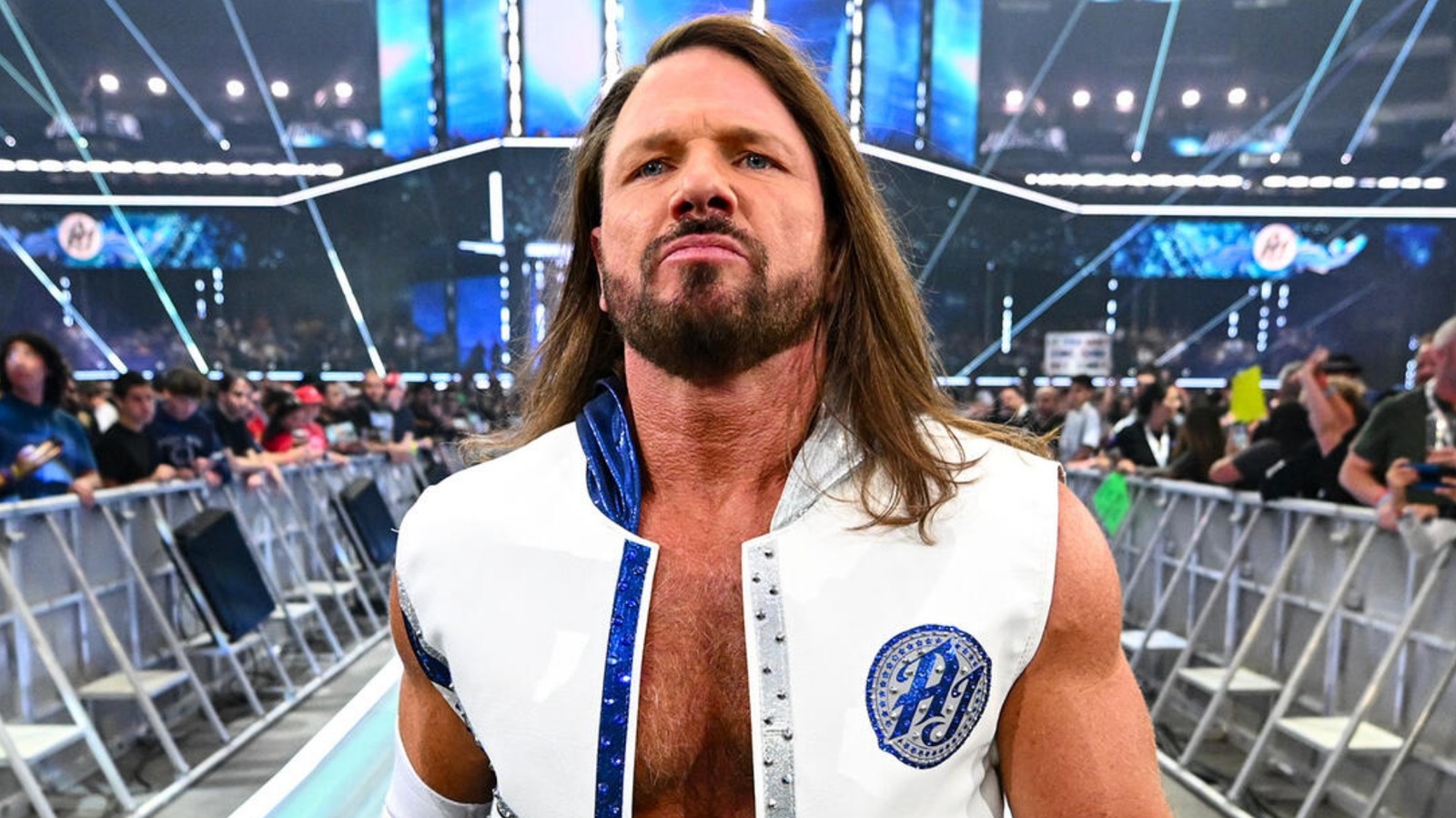
AJ Styles is reflecting on his legacy while others look elsewhere
5 hours ago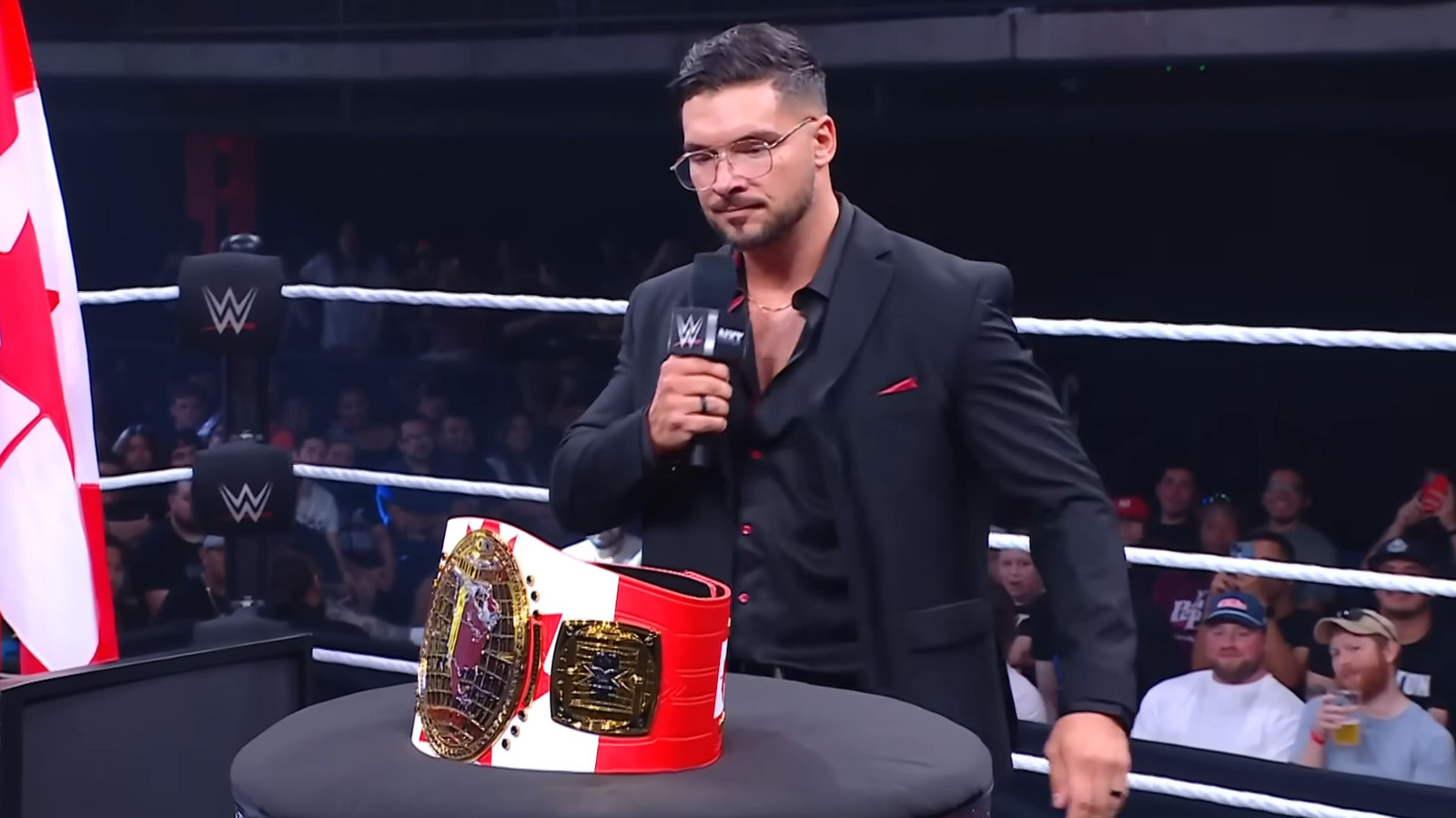
Ethan Page is playing a dangerous game with his ego in NXT
5 hours ago
Ethan Page says his custom NXT title was the real top prize and fans are split
5 hours agoGear Check: Sorting the Must-Haves from the Merch Table Filler
6 hours ago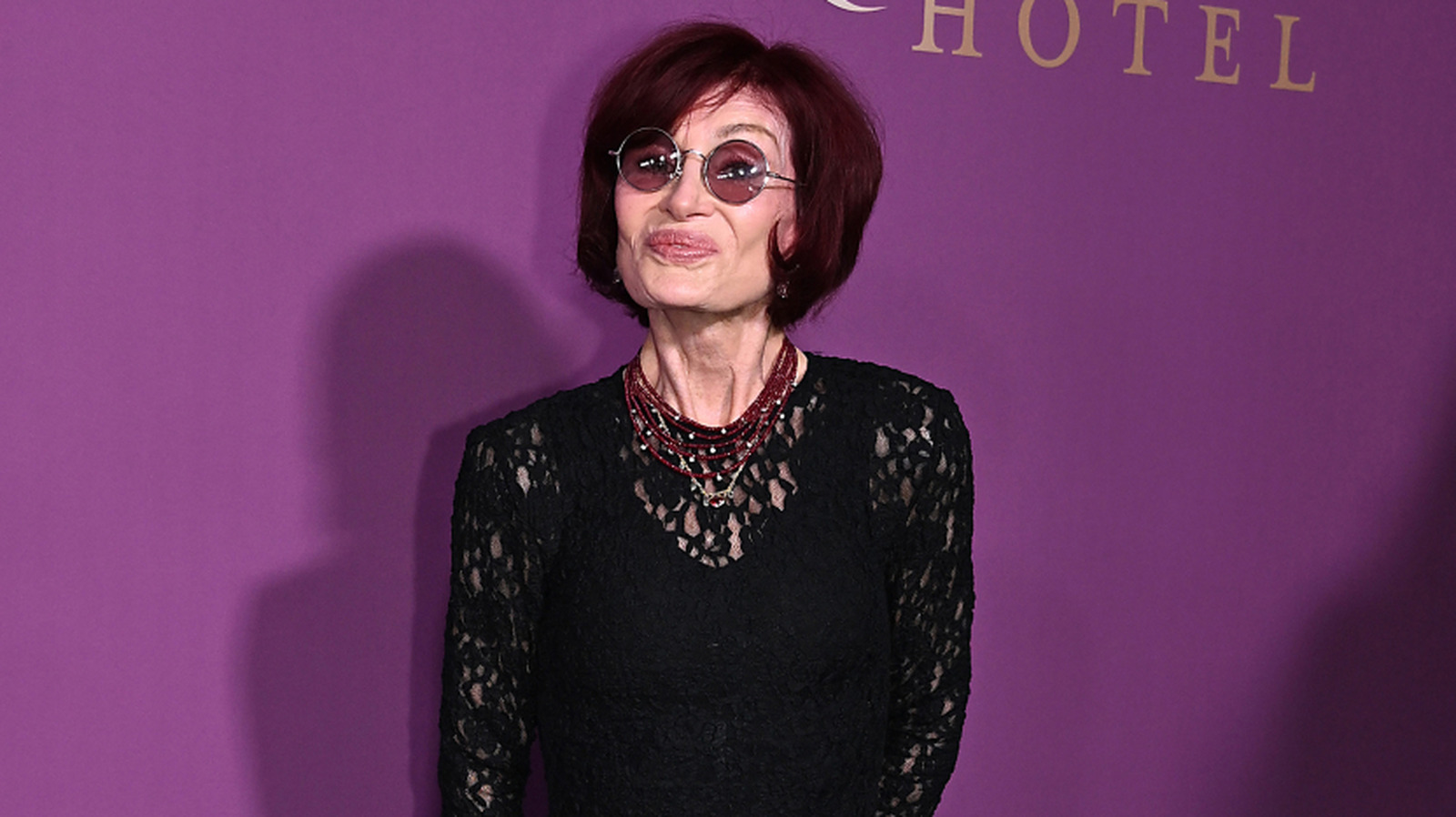
Why CM Punk vs Cody Rhodes is a game of psychological chicken
7 hours agoMore Analysis
WWE Backlash is the litmus test for the SmackDown main event scene
2 months, 2 weeks ago
SummerSlam 2026 is becoming a test of booking sustainability
4 weeks, 1 day ago
Carmelo Hayes is about to break the Trick Williams formula on SmackDown
1 week, 6 days ago
SmackDown needs to fix its main event problem tonight
2 months, 3 weeks ago
WWE Backlash is the litmus test for the post-draft roster
2 months, 1 week ago