The Immortal admitting he's mortal is a 2026 miracle
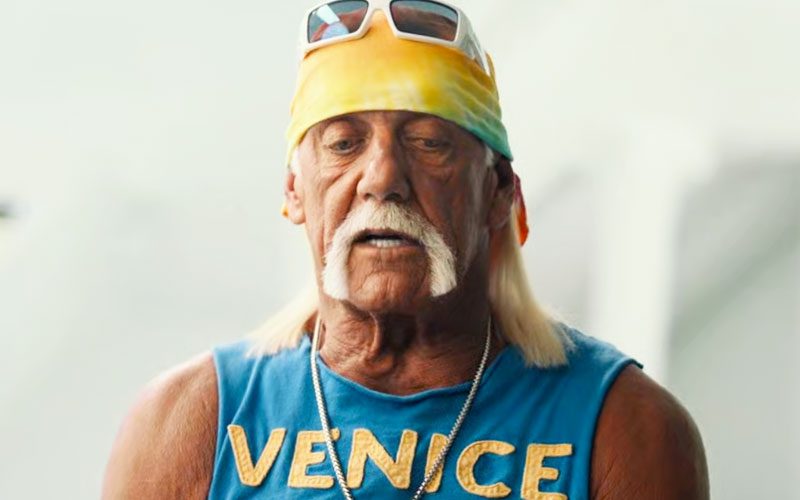
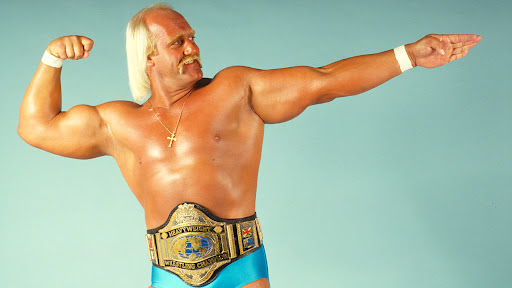
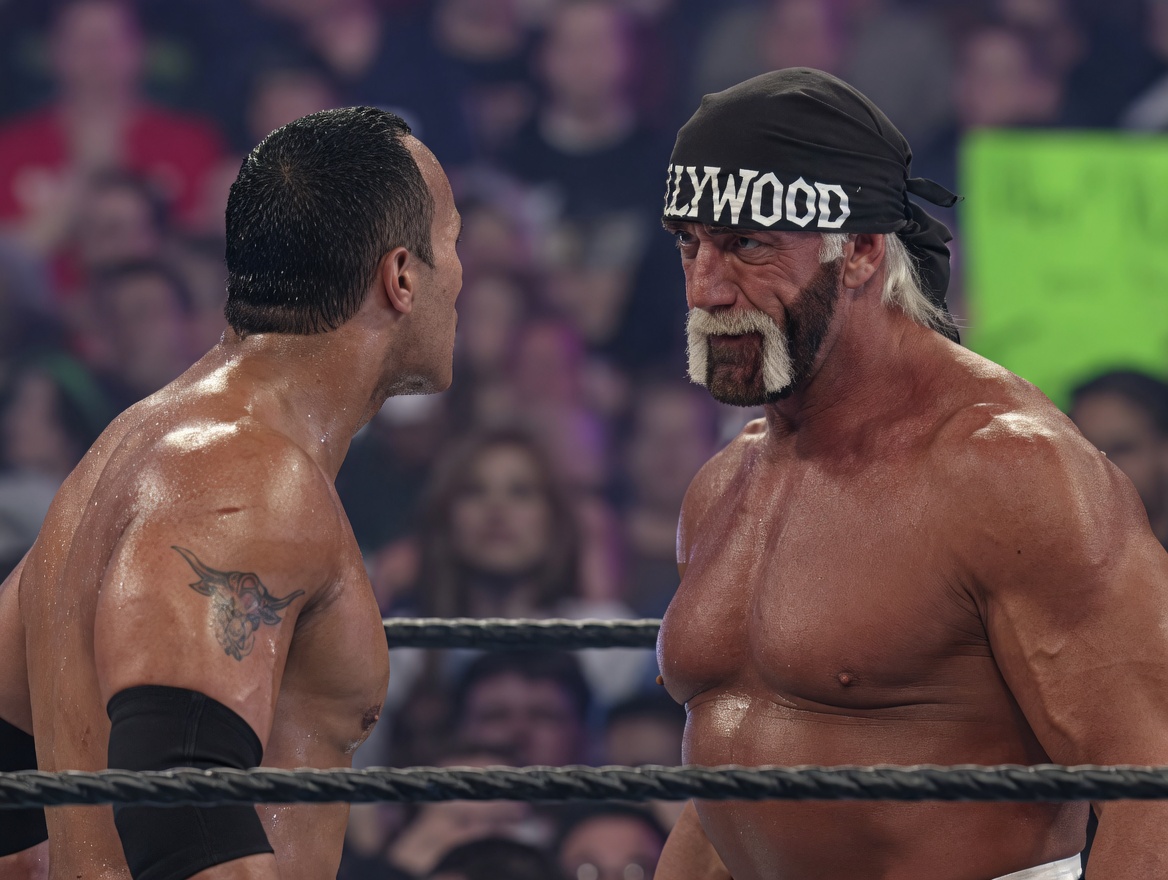
It is April 23, 2026, and we are finally witnessing something more rare than a clean finish in a Roman Reigns match. Hulk Hogan has actually admitted he was wrong. In a recent interview that has set the wrestling corners of the internet on fire, the Hulkster confessed that he should have hung up the boots immediately after his legendary clash with The Rock at WrestleMania 18.
For those of us who spent the mid-2000s screaming at our television sets while Hogan hobbled through matches with guys half his age, this is the ultimate validation. We have spent twenty years arguing that the Toronto SkyDome was the perfect exit ramp. Hogan finally agreed. He told WrestlingNews.co that the energy in that building was the absolute ceiling for his career.
The reaction from the fan community has been a mix of 'we told you so' and genuine reflection on what could have been. If Hogan walks away on **March 17, 2002**, his legacy is basically untouchable. Instead, we got the TNA years, the reality shows, and the matches that looked like two tectonic plates slowly grinding against each other.
The SkyDome magic that Hogan couldn't let go
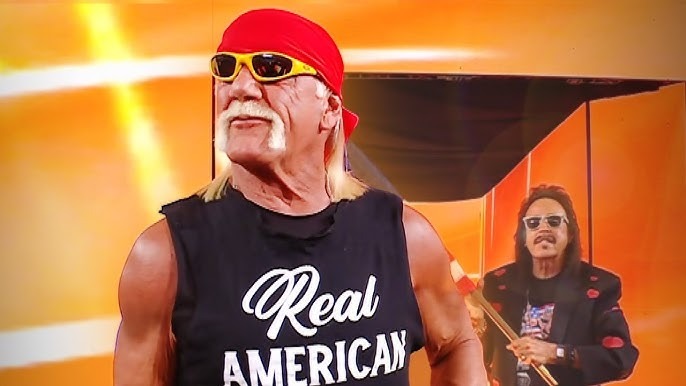
You have to remember how insane that night in Toronto actually was. The nWo had returned to WWE as a group of 'poison' meant to kill the company. Hogan was the black-clad villain. The Rock was the hottest young star on the planet. But the **68,237** fans in attendance decided they didn't care about the script. They cheered the bad guy so loudly that the earth shifted on its axis.
Hogan's admission touches on the fact that he was chasing that high for the next two decades. He spent years trying to replicate a moment that was essentially lightning in a bottle. It was a match where the crowd noise mattered more than the actual wrestling moves. Hogan did a kip-up at fifty years old and the building nearly collapsed.
But everything that followed felt like a cheap cover band trying to play the hits. The 2002 run as Undisputed Champion was a disaster. The match against The Undertaker at Judgment Day featured a chokeslam so bad it should have been a felony. Hogan now seems to realize that by staying, he traded his prestige for a few more paydays and a lot of embarrassed fans.
The internet has thoughts and they are not all kind
As expected, Reddit and the various wrestling forums have been dissecting this admission with surgical precision. The consensus is split between those who forgive him and those who think the damage to his brand is already permanent. Here is how the digital streets are talking about the Hulkster's sudden moment of clarity.
"He stayed because he couldn't handle the idea of the spotlight hitting someone else. If he retires in 2002, he's the undisputed GOAT. By staying until his knees turned into dust, he became a parody of himself." — User: EaterOfPins
Others were a bit more focused on the missed opportunity for the business itself. There is a strong contingent of fans who believe Hogan's refusal to leave held back an entire generation of talent. If Hogan isn't main-eventing in **2005**, maybe someone else gets that rocket ship push.
"Hogan admitting this now is like a guy telling you he should have stopped drinking after his third DUI. We know, Hulk. We were there. We watched the TNA run through our fingers while covering our eyes." — User: KayfabeKilla
There is also the faction of 'Hulkamaniacs' who still defend the late-career run. They argue that his 2002 title win was a necessary piece of nostalgia for a fanbase that was struggling with the end of the Attitude Era. But even those fans usually go quiet when you mention the Shawn Michaels match at SummerSlam.
The Shawn Michaels karma and the TNA disaster
If we are looking for a critical turning point where Hogan's reputation truly soured, we have to talk about SummerSlam in **2005**. The match against Shawn Michaels is famous for all the wrong reasons. Michaels, frustrated by Hogan's refusal to do a series of matches or put him over, decided to 'oversell' every move Hogan made. HBK was flopping around the ring like a fish on a hot sidewalk.
It was a public execution of Hogan's 'invincible' persona. It showed that the younger locker room was tired of the politics. Hogan's admission that he should have been gone by then suggests he felt the heat even back then. He was a man out of time, trying to use 1980s tactics in a world that had moved on to work-rate and realism.
Then came the TNA era in **2010**. This was the darkest timeline. Seeing Hogan come out with a Hall of Fame ring and a crutch to talk about 'changing the business' while the ratings stayed flat was agonizing. He brought in his friends, he changed the ring to four sides, and he basically tried to recreate 1997 WCW in a warehouse in Orlando. It was the ultimate proof that he didn't know how to say goodbye.
The Verdict: A day late and a dollar short
Is this admission enough to fix the legacy? Not really. It is nice to hear him acknowledge reality, but it doesn't erase the memories of him winning the tag titles with Edge or that weird match against Randy Orton where he barely moved. Hogan’s greatest strength was always his ability to read a crowd, but he failed the most important test: knowing when the crowd wanted him to go home.
The fans are right to be skeptical. Hogan has a history of saying what people want to hear during interviews. Whether he actually believes he should have retired or if he’s just trying to sound humble for a new documentary remains to be seen. But the fact that we are even having this conversation in 2026 shows that Hogan remains the most polarizing figure in the history of the sport.
Ultimately, the side of the argument that says he stayed for the ego is the one that rings true. Hogan was addicted to the 'pop'—that three-second roar of the crowd when his music hit. He was willing to endure the mockery of the 'smart fans' as long as he could hear those cheers one more time. He sacrificed the 'Icon' status for a few more years of being 'The Guy.'
- Hogan's peak was undoubtedly the SkyDome match.
- The Shawn Michaels 2005 match was the beginning of the end for his credibility.
- TNA proved that his creative instincts hadn't evolved since the 90s.
- His admission is a rare moment of honesty from a man known for tall tales.
We are left with a career that has two distinct halves. There is the Hogan that built the industry and the Hogan that nearly dismantled his own myth. If he had listened to his own advice and walked away in 2002, there wouldn't even be a debate about who the greatest of all time is. Now, he's just a guy who finally realized he missed his exit by about twenty years.