The Physical Cost of the Grind
Professional wrestling does not offer a traditional offseason. Between the heavy travel schedules and the high-impact nature of the ring work, the list of walking wounded is always substantial. As of April 23, 2026, several high-tier names are currently managing recovery timelines that directly affect upcoming cards.
We have parsed the reports on injury statuses ranging from titleholders to developmental standouts. These updates define the next six weeks of business as the industry pushes toward Backlash on May 09 and Double or Nothing on May 24.
The Ranking of Recovery
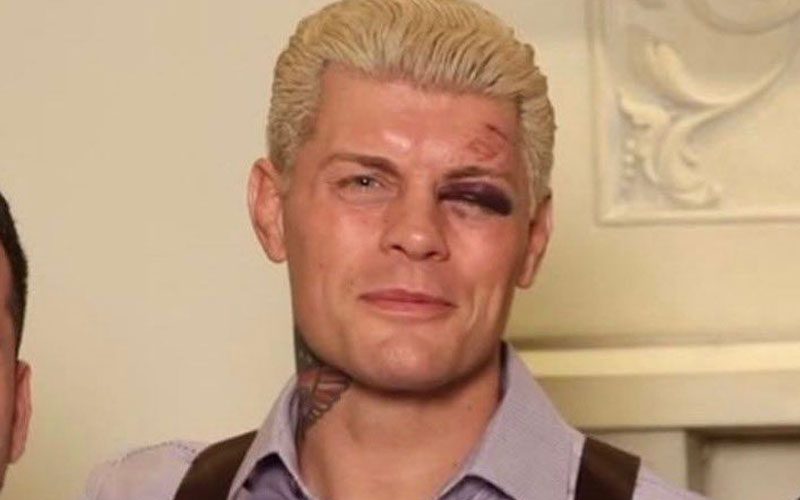
- Cody Rhodes: The Undisputed WWE Champion has described his recent eye injury as a positive yet absurd situation. Despite the visual optics of the flare-up, Rhodes has maintained he will not lose sight in the eye. He lands at the top purely for his active status as the face of the brand; any downtime for him would shift the entire creative direction of SmackDown.
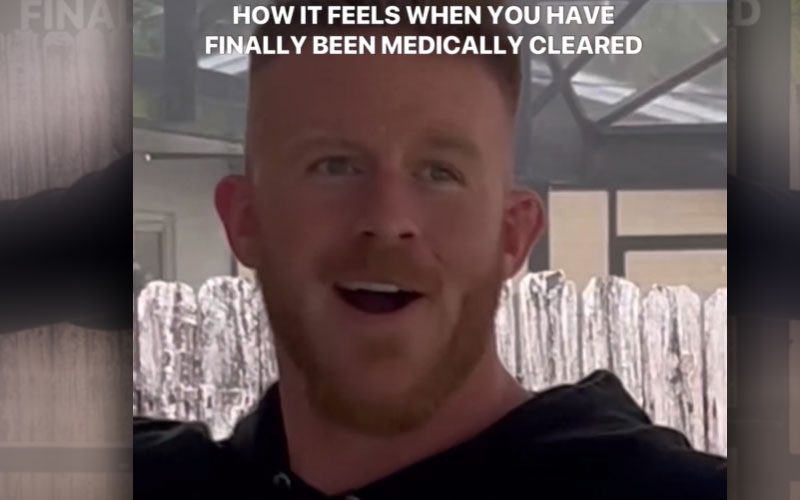
- Sean Legacy: The NXT talent surprised the fanbase this week with a video update regarding his current status. While the specifics of the physical impairment remain guarded, the novelty of the reveal suggests he intends to document his path back to active competition. He ranks here because he is controlling the narrative of his own return.
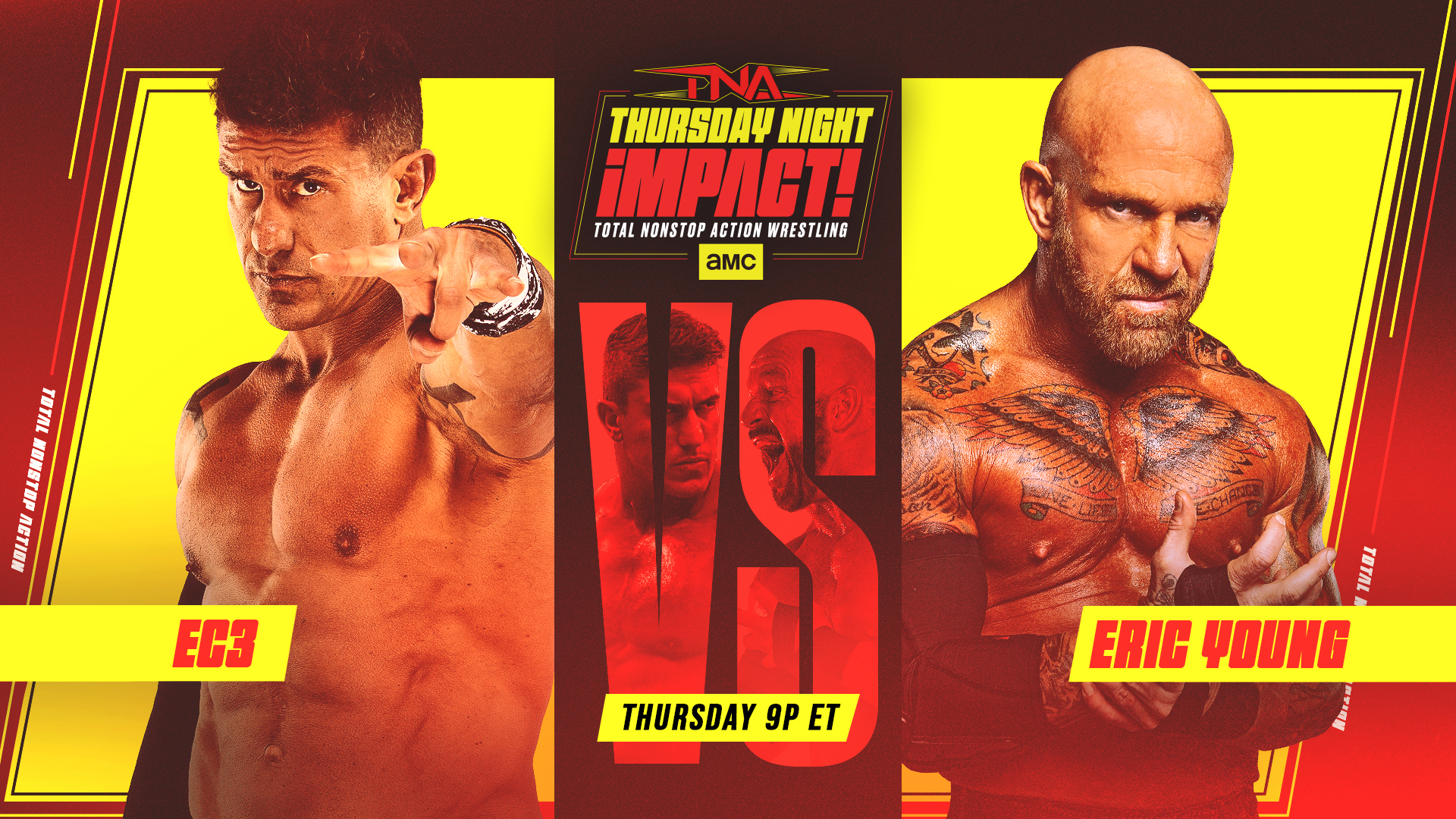
- Trey Miguel: The outlook for Miguel is undeniably grim following news that his knee injury is more severe than original testing indicated. This is a massive blow, as he was poised to be a focal point in mid-card programming. He drops this low because the timeline for his comeback is effectively indefinite, which signals a long road ahead for his career health.
- Developmental Depth: Secondary talents across the NXT umbrella are grappling with a high volume of soft-tissue issues that are rarely publicized until a show is missed. This group earns the four-spot because while no single name currently dominates headlines, the aggregate loss of mid-card depth creates predictable booking patterns.
- The Backlash Medical Queue: With the upcoming May event looming, the WWE medical staff is currently triaging performers on a weekly basis. Every performer working through a minor ailment just to make the card ranks here. Their determination to finish the match at 100% intensity despite physical fatigue is a vital component of the current cycle.
- Post-WrestleMania Attrition: The physical toll taken by the roster following the recent high-stakes event cycle cannot be overstated. We are currently seeing a cooling-off period where names are being pulled from house shows to protect their long-term health. It is a necessary, albeit boring, management strategy.
- The Conditioning Gap: A persistent issue remains the inability of some performers to maintain peak cardiovascular fitness while managing long-term injuries. Those who cannot work a 20-minute main event due to restricted mobility are finding it harder to secure prime placement. This is a professional failure that needs internal correction.
- Taping Schedule Fatigue: The pace of filming for television programming exacerbates every existing injury listed above. When a performer is required to bump on a Tuesday for a show airing on Thursday, the recovery window vanishes. This is the hidden tax on every worker in the industry.
- Rehab Protocol Discrepancies: Medical care is not uniform across all promotions, leading to varying recovery speeds for similar injuries. Talents moving between systems often find the disparity in recovery standards to be a massive hurdle. This needs to be addressed through better standardizations.
- The Speculation Drain: Social media buzz surrounding injury timelines often misleads fans more than it helps. The constant cycle of guessing return dates adds unnecessary pressure on performers to rush their healing processes. It is distracting, unproductive, and rarely accurate.
The Big Picture
Health management dictates the ceiling for every promotion in 2026. If the recovery plans for Cody Rhodes hold firm, the WWE title picture remains stable, but the Trey Miguel situation serves as a warning of how quickly momentum can be stalled by medical setbacks. The industry is currently in the middle of a delicate balancing act to ensure that the talent remains ready for the summer season without risking long-term damage.
Honorable Mentions
The entire performance center staff deserves credit for managing the heavy schedule of daily sessions during this volatile period. Additionally, any wrestler opting for surgery during this window instead of performing at partial capacity deserves respect for prioritizing their future over a single appearance. It is a difficult decision that few fans realize is happening behind the scenes.