The Nashville drift and the cost of geography
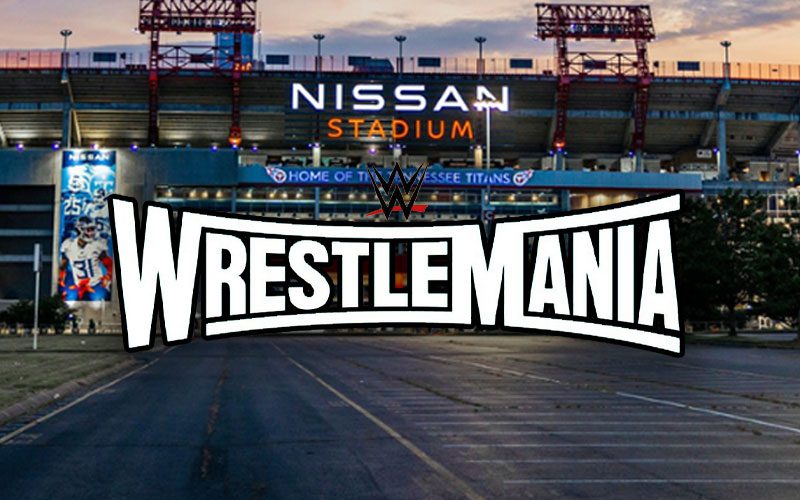
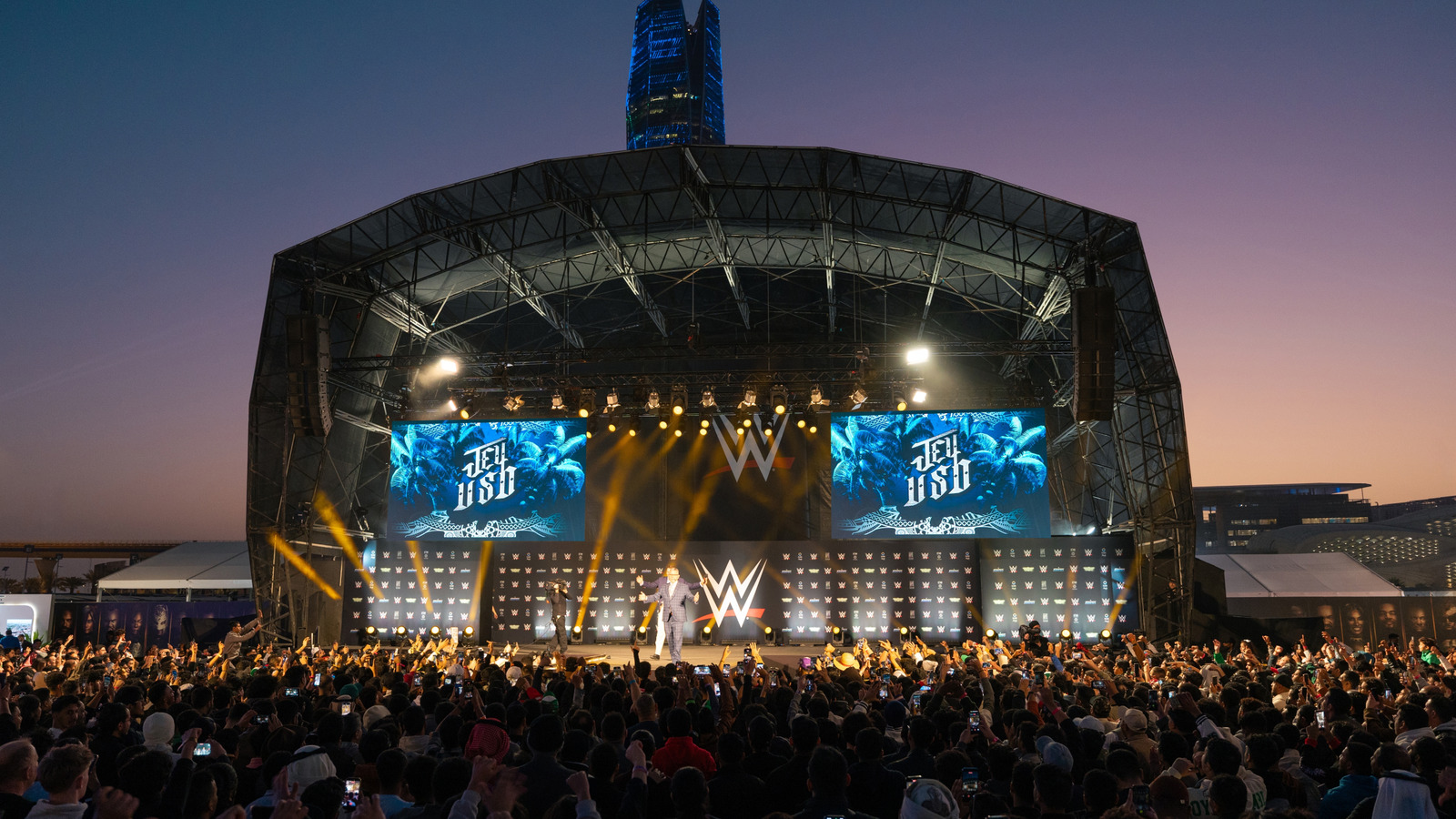
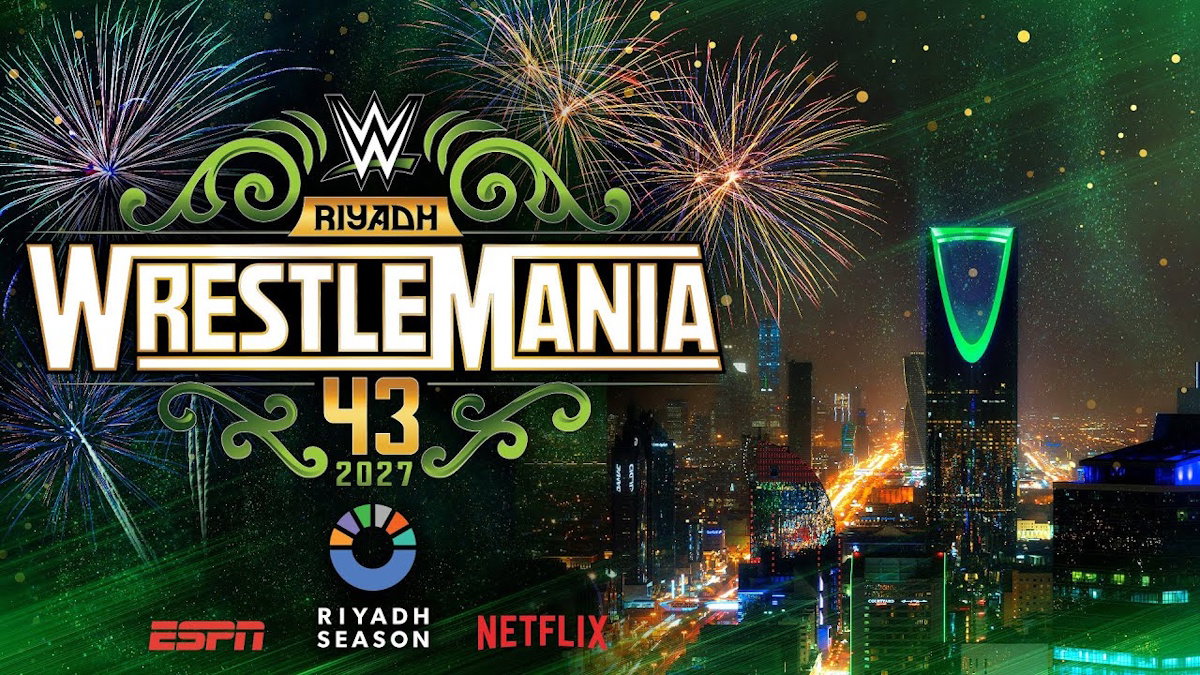
Nashville’s upcoming New Nissan Stadium was positioned as the frontrunner for WrestleMania 43, a city-centric play to lock in a modern venue. Plans shifted abruptly. Recent reports indicate the event will now take place in Saudi Arabia, sacrificing the logistical convenience of an American host city for the financial guarantees associated with regional expansion.
This is not a singular anomaly but a recurring shift in the promotion’s calendar. When infrastructure timelines force an audible, the decision-making process favors venues with guaranteed government backing over established domestic markets. The shift highlights a strategic preference for international state funding over local gate attendance models.
Analyzing the financial architecture of stadium bookings
Historically, the decision to host an event at a stadium requires a break-even analysis involving local tourism tax subsidies and high-capacity ticket sales. A standard stadium scale in the United States, hovering around 60,000 capacity, results in an average gate between $12,000,000 and $15,000,000 when accounting for dynamic pricing. As WrestleTalk noted, the Nashville project fell through because the February 2027 window failed to align with their specific logistical output.
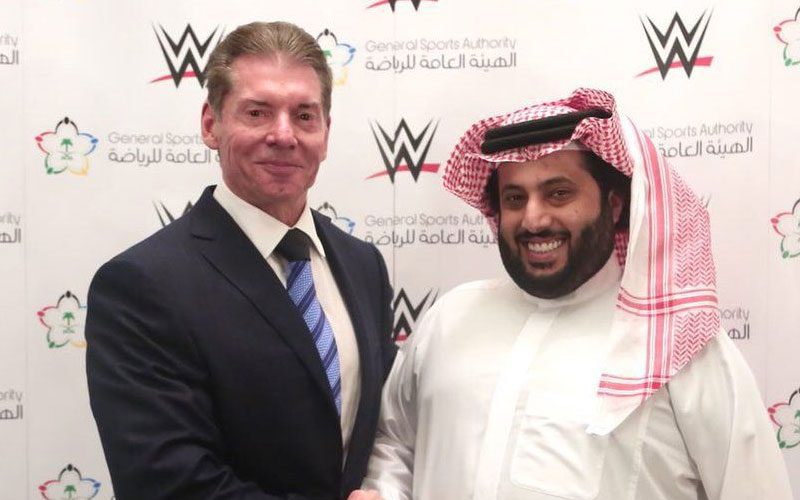
International partnerships in countries like Saudi Arabia often offer a flat-fee guarantee that eliminates the volatility of domestic ticket sales. When WWE chooses an overseas market, they bypass the 25% to 30% variable risk associated with stadium show overhead, security, and staffing in major American metropolitan areas.
The gap between fan expectations and corporate efficiency
The move away from Nashville exposes a friction point. Fans expect a centralized, recurring annual tradition, yet the company operates as an aggressive logistics firm. Tracking the last five years of venue selections, there is a clear trend toward decoupling the event from the standard April-May US stadium cycle. By moving to a February date, the company gains a longer lead time for production assembly but risks alienating a fanbase conditioned to a spring ritual.
Efficiency often introduces aesthetic consequences. When a stadium is chosen for its ease of booking rather than its surrounding city market, the promotional surrounding events—such as fan fests and radio row—often fail to hit the attendance figures seen in cities like Los Angeles or Philadelphia. These surrounding events historically equate to an additional $5,000,000 in revenue generation through peripheral merchandise and tourism.
Management is choosing short-term fiscal security over the long-term benefit of consistent market growth in cities like Nashville. Moving a primary asset to a region with less cultural overlap for the product suggests a business model prioritizing the ledger over the legacy. If the promotion continues this trend, the annual event may eventually lose its identity as a North American staple, becoming an itinerant global trade show instead.