The inevitable documentary treatment
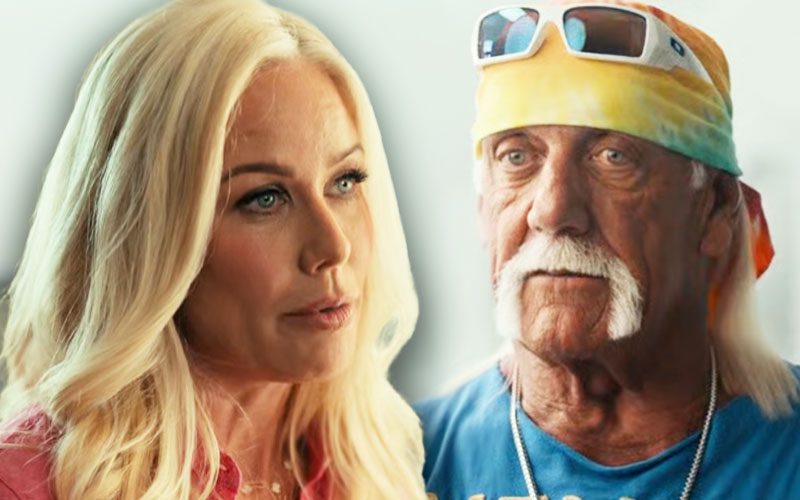
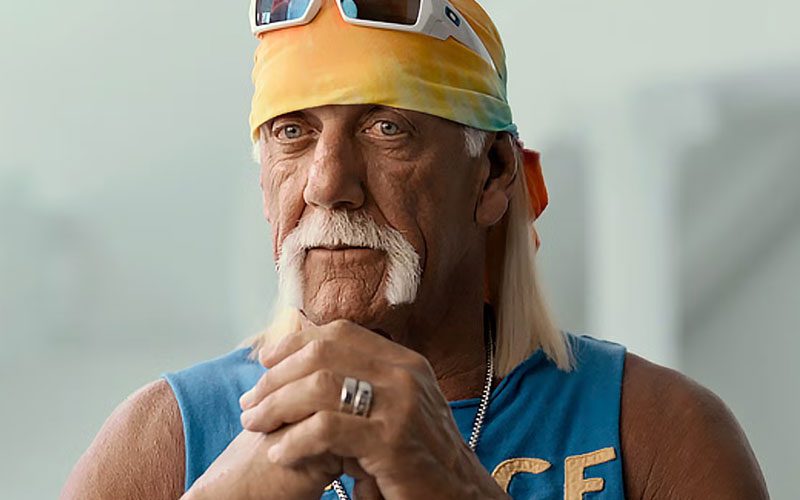
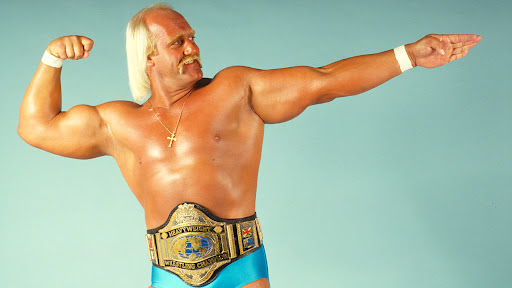
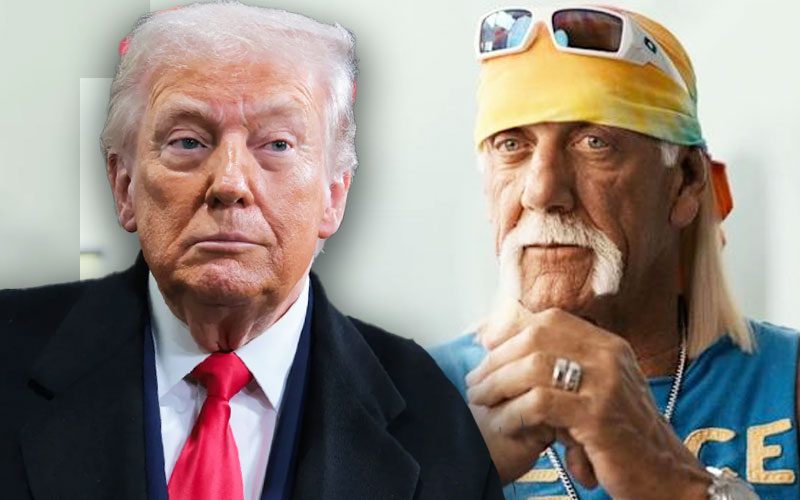
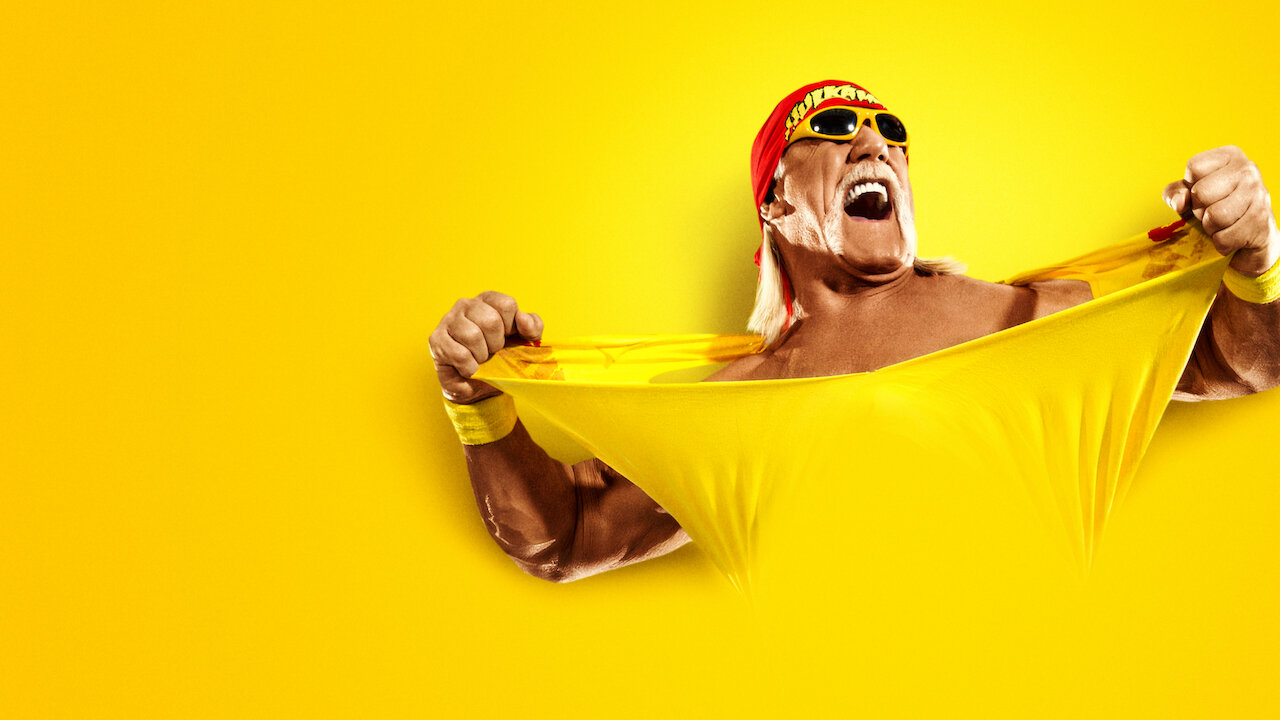
Netflix finally dropped their new Hulk Hogan documentary today, and it is exactly the train wreck you expect. It jumps from the high-octane 1980s wrestling boom straight into family drama that feels less like a documentary and more like a fever dream of D-list reality television. Watching a man who defined an entire industry spend the latter half of his career chasing relevance is genuinely exhausting.
We get the standard hits with this film. You see the early career rise, the transition into household chaos, and the lingering questions about his credibility that fans have been debating since the 1990s. It ignores the fact that modern fans have moved on, focusing instead on a version of the Hulkster that relies entirely on nostalgia fuel. The production values are slick, but the narrative feels like it is stalling out in traffic.
The lingering shadow of a long goodbye
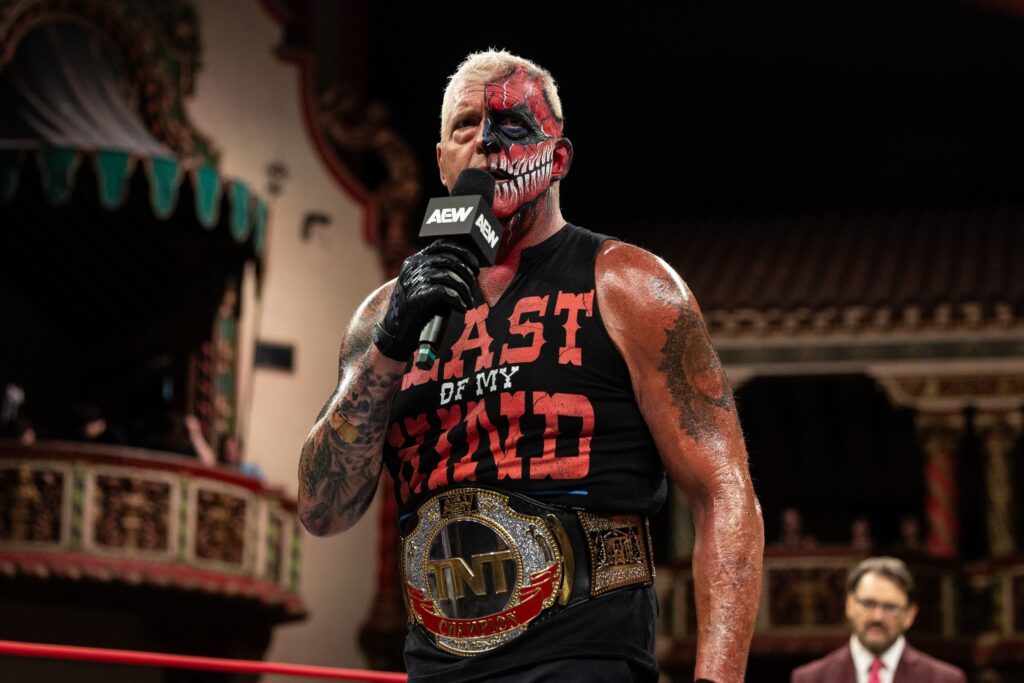
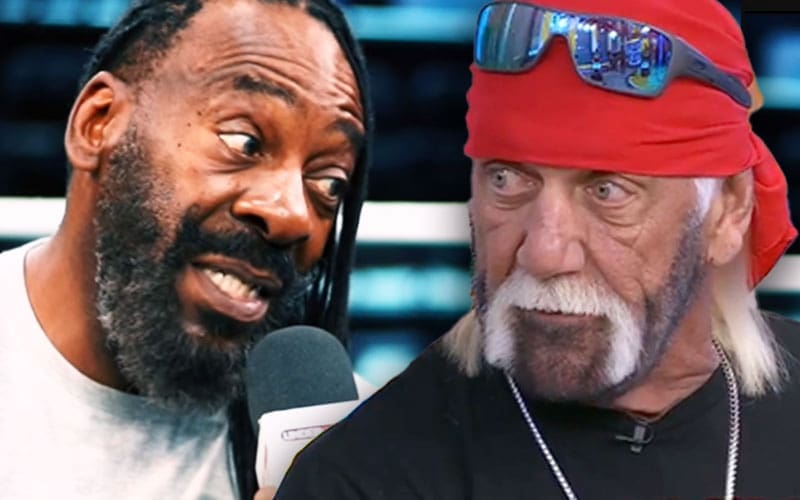
Booker T recently gave his take, and the man knows a thing or two about standing tall in the ring. He openly stated that Hogan stayed in the business far too long. That is the consensus in every locker room from coast to coast.
There is a sad irony in watching these legends cling to the spotlight while their best work sits in the archives. When you stay for one tour too many, you end up eroding the myth you spent decades building. Even when legends like Hogan share stories that actually provided people with real hope during dark times, the noise of their later years drowns it out.
Business moves and NYC bar blunders
While the Netflix project tries to burnish the legacy, the real-world business moves are messy. News hit recently regarding the Hulk Hogan Slam Bar in NYC, which serves as a perfect microcosm for this era of his life. It feels like a late-stage money grab that nobody actually asked for in a midtown landscape that moved past themed wrestling bars in the Nineties.
If you head to the bar expecting a high-fidelity look at wrestling history, you are going to be disappointed by the kitsch. It is essentially the corporate equivalent of a nostalgia pop-up shop that lost its lease a decade ago. Much like the documentary, it tries to sell you on a specific version of the Hulkster that just does not exist in 2026.
A career of diminishing returns
The booking of Hogan's later years is a cautionary tale for any wrestler thinking they can beat Father Time. While younger talent fights for spots on the Backlash card, the industry is still obsessed with re-litigating a guy who hasn't been a main event factor in an eternity. We are currently less than 8 days away from Backlash, and fans are dying to see current stars, not a documentary about the power of the leg drop.
My biggest gripe with this entire situation is the lack of self-awareness. You don't need a 120-minute deep dive to know that the career trajectory was a downward spiral after the mid-nineties. We have reached a point where the content cycle is just cannibalizing the past, and Netflix is happy to charge subscriptions to feed the beast.
History will remember the 1984 era, but we are all stuck dealing with the 2026 commercial fallout. The documentary ultimately serves as a reminder that icons should know when to head to the back and let the new kids carry the show. Sometimes, the most legendary move you can pull off is walking through the curtain for the last time.