The Breaking News
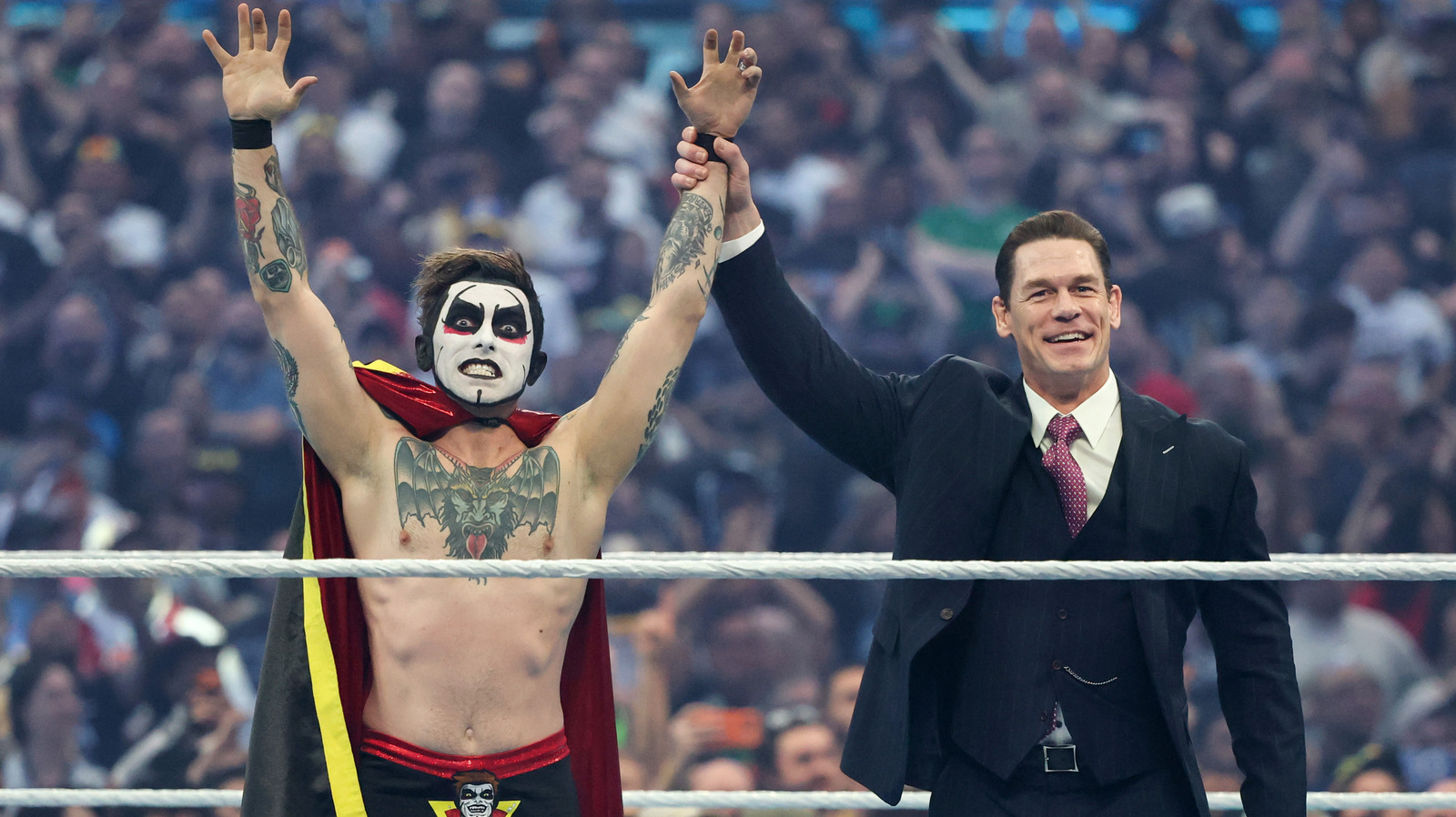
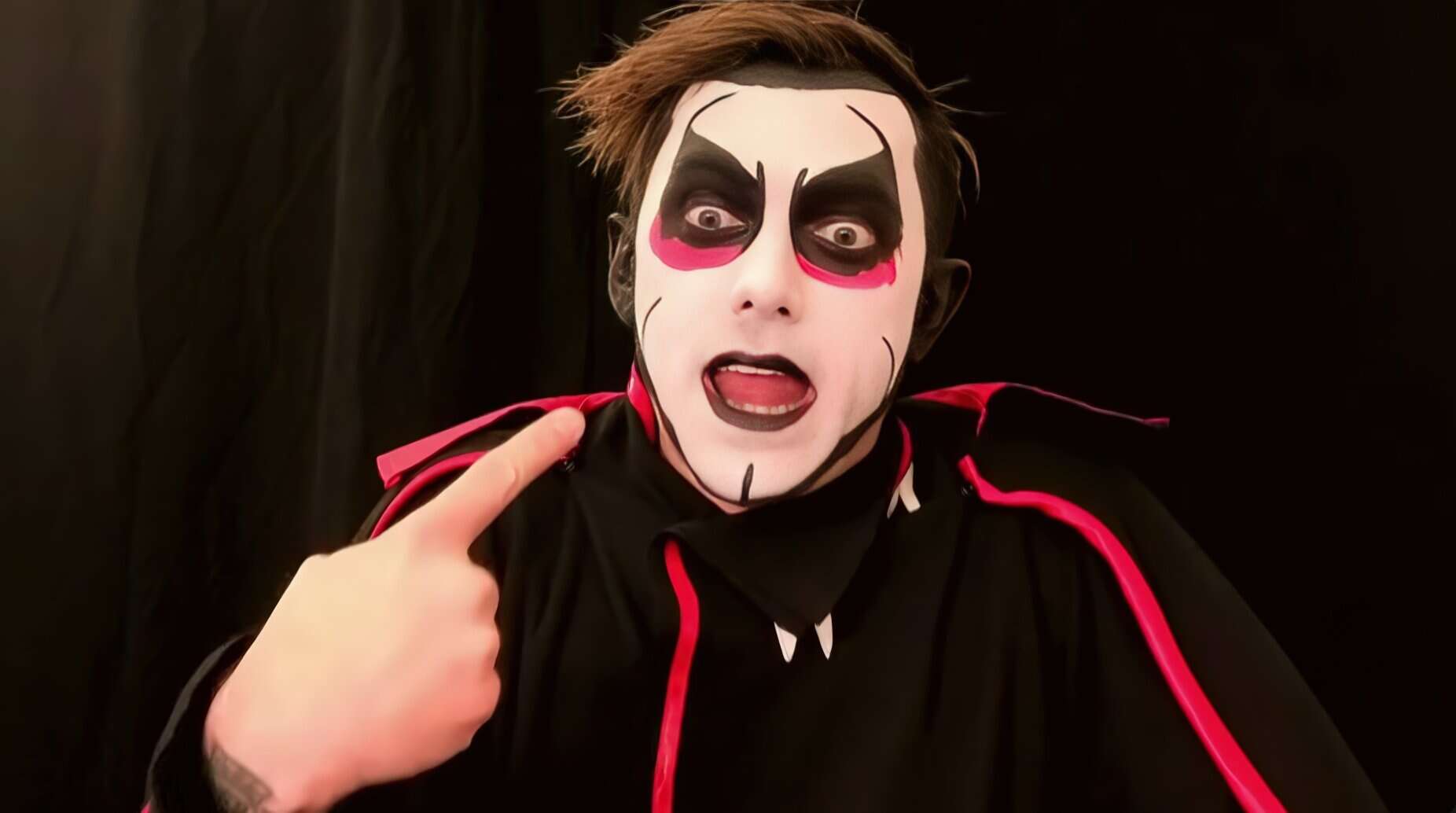
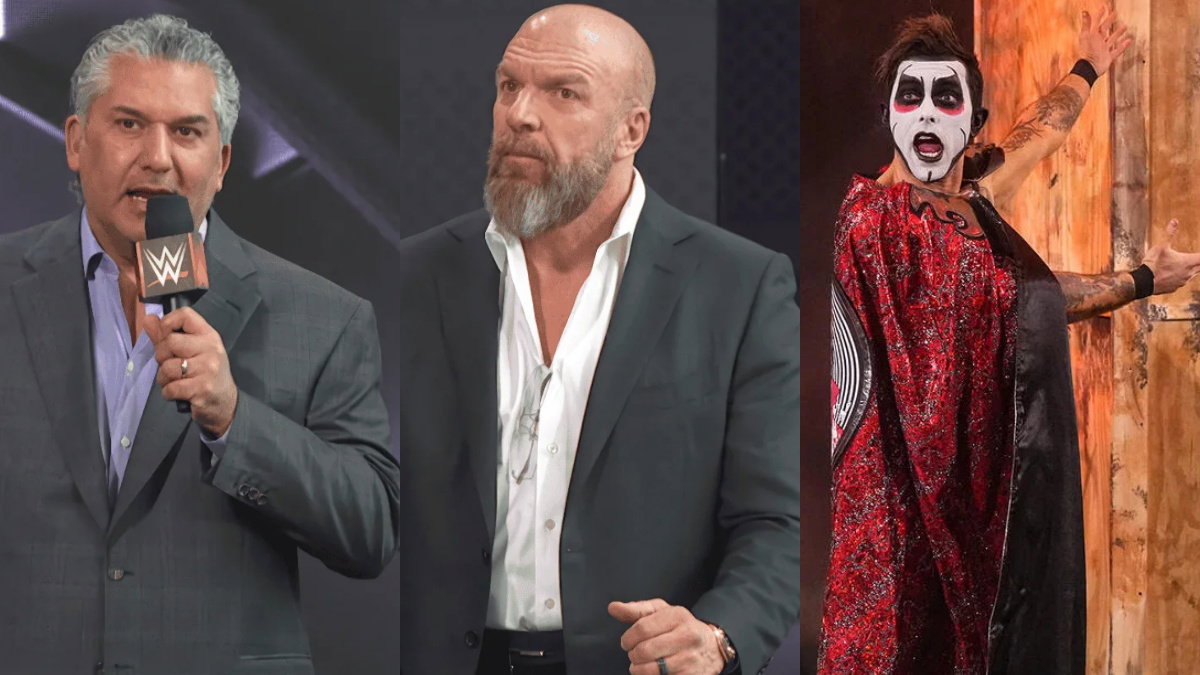
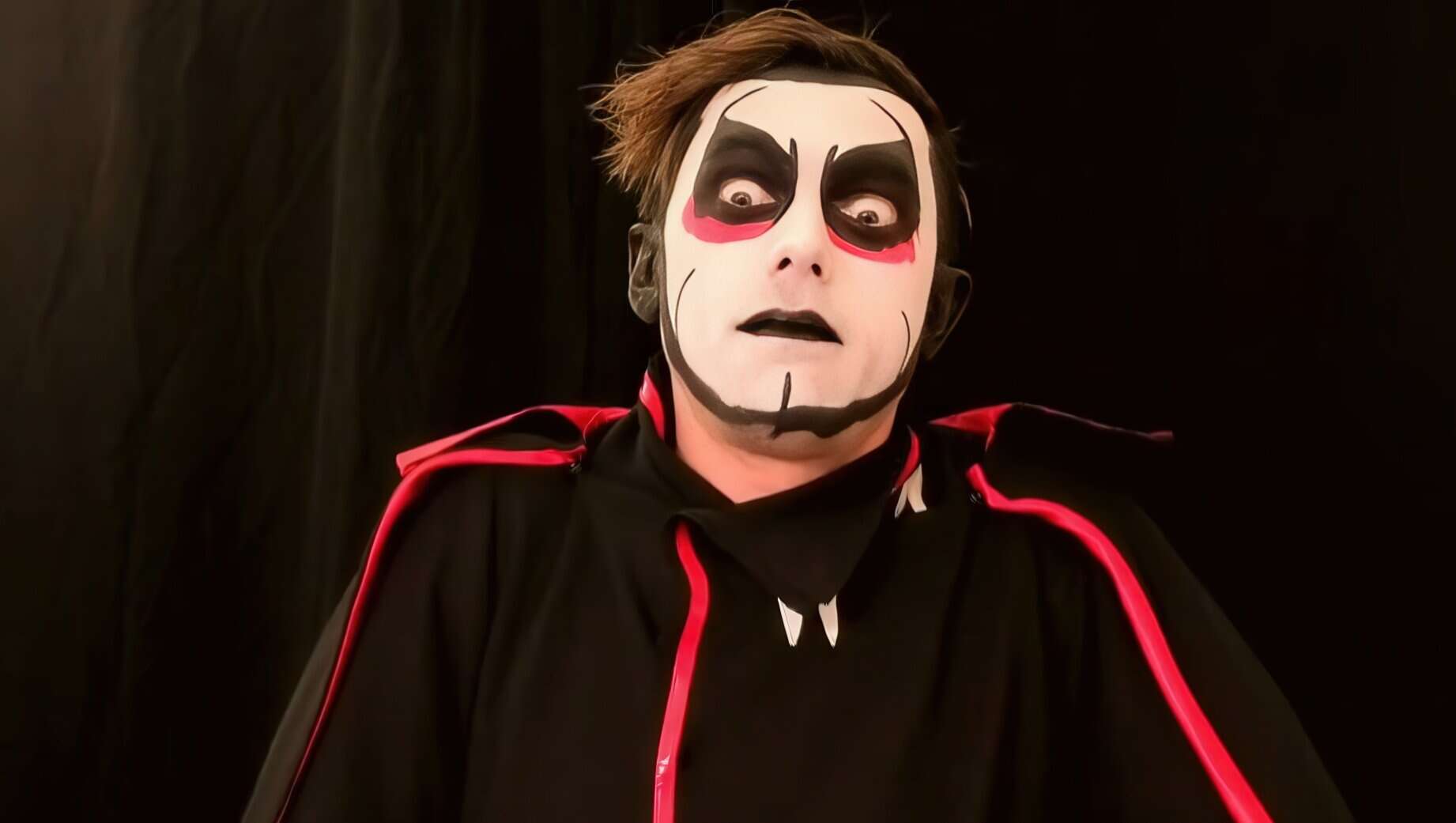
Danhausen is officially looking far beyond the wrestling bubble. The master of curses has reportedly signed with Adventure Media for management across all areas, specifically targeting growth for his intellectual property in film, television, and other outside media.
The move, initially brought to light by WrestleTalk, signals a massive structural shift in how the character is being positioned within the broader entertainment industry.
"WWE superstar Danhausen has reportedly signed on with Adventure Media for management in all areas. With merchandise sales that see him positioned as number two in the entire company..."
This isn't just a standard booking agent grabbing a few weekend comic convention appearances. This is a targeted, aggressive play to turn a professional wrestling gimmick into a mainstream Hollywood commodity.
The Merchandise Juggernaut
To understand why an agency like Adventure Media is circling a wrestler who rarely wrestles, you have to look at the raw financial metrics. According to the report, Danhausen is currently sitting as the number two merchandise seller in the entire company. Let that fact marinate for a second.
In a promotion currently featuring the massive star power of Cody Rhodes, Roman Reigns, CM Punk, Seth Rollins, and Rhea Ripley, a bizarre comedy act who barely takes back bumps on television is moving more product than almost all of them. He is outdrawing men who main event stadium shows. He is outselling heavily pushed champions.
The sheer volume of his merchandise footprint is completely staggering when you look at his actual television minutes. Fans aren't just logging onto the shop to buy standard black graphic t-shirts. They are buying the cape. They are buying the oversized foam fingers. They are buying replica face paint kits.
The character's aesthetic is perfectly tailored for a broad, massive demographic. He captures the cynical, hardcore internet fans who followed his independent run, while simultaneously hooking the casual kids in the front row who just want to point and laugh at the weird guy cursing people.
When he eventually made his way to the promotion, there were loud, widespread questions about how the main roster machine would handle such a bizarre, indie-centric act. The historical precedent wasn't good. Most critics assumed the company would strip away the weirdness, give him a generic last name, and bury him on a C-show.
Instead, the current regime recognized the immediate, undeniable monetary value of his established brand. They didn't change a thing. They gave him a live microphone, put him in prominent backstage comedy segments, and simply let the merchandise stands print money week after week.
The Hollywood Playbook
Now, he is capitalizing on that massive, captive audience. Adventure Media is going after traditional, long-term Hollywood money. The stated goal is to grow his intellectual property.
Think about the massive potential there. The Danhausen character operates perfectly in the weird, macabre comedy space that currently thrives on streaming platforms. He isn't going to be cast as a generic, muscle-bound action star holding an assault rifle. That is the traditional John Cena or Roman Reigns route.
Danhausen is inherently designed for entirely different platforms. He is built for cross-platform syndication. Imagine an animated series on Adult Swim. Picture a late-night, campy horror movie hosting gig on a platform like Shudder.
Think about voice acting for major video games, or writing and starring in his own line of comic books. He is a walking, talking cartoon character who just happens to exist inside a professional wrestling ring. He isn't tied down to the physical, grueling toll of putting on twenty-minute technical classics. He can theoretically film a television cameo in Los Angeles on a Tuesday and be back on television cursing a heel manager on a Friday.
The Friction Point with Corporate
However, here is where the situation gets intensely complicated, and where the move could severely backfire. The promotion and outside management agencies have a notoriously toxic history. Let's not pretend the current corporate era has completely erased the front office's desire for total control over their talent.
When a superstar signs an external management deal to shop their personal brand to outside television networks, red flags immediately go up in the corporate legal department. The critical question revolves entirely around trademark ownership. Who actually owns the IP in this current timeline?
If he secured the legal rights to his name and likeness before signing his current contract, this Adventure Media deal is a stroke of absolute professional genius. He can take his character to major streaming services, and the promotion just has to smile, nod, and accept the free residual exposure.
But if the promotion owns the trademark, this situation could get ugly quickly. If the office holds the paperwork, Adventure Media is going to have to aggressively negotiate every single television appearance, movie cameo, and voiceover gig through corporate lawyers. That slows down the pipeline. It kills lucrative deals entirely.
The company famously does not like sharing outside revenue, and they certainly don't like external agencies dictating the travel schedule of one of their top merchandise movers. Why wouldn't he just pitch these ideas internally through the company's own film division? Because those internal projects historically underperform and keep the talent trapped securely inside the corporate machine.
Going outside to a group like Adventure Media means he actively avoids the direct-to-streaming trap that caught so many promising wrestlers over the last decade. He wants actual Hollywood integration, not a heavily branded, low-budget studio vanity project.
We have seen this internal friction happen multiple times before. The third-party platform bans of a few years ago aggressively proved that the company views talent as their exclusive, untouchable property. Even with the recent easing of those strict rules, there is still a hard, unforgiving ceiling on how big you can get outside the company without the corporate office demanding a massive slice of the pie.
If Danhausen gets cast in a major theatrical film, the promotion will undoubtedly want an executive producer credit. They will demand to cross-promote it entirely on their terms. If his shooting schedule ever conflicts with a premium live event build, the talent is always the one who suffers the immediate booking consequences.
The Risk of Losing the Locker Room
There is also a severe creative risk to his current television run. Right now, Danhausen is incredibly protected on weekly programming. He shows up, delivers his iconic catchphrases, sells ten thousand foam fingers, and leaves the arena completely unscathed. But what happens when the Hollywood focus takes over his priority list?
Wrestling history is littered with cautionary tales of guys who checked out mentally the absolute second the movie scripts started arriving in the mail. The physical in-ring work gets sloppy because they are terrified of injuring their face right before a massive camera shoot. The weekly promos become a lazy afterthought.
The live crowds are inherently smart to this shifting dynamic. If the fans sense he is suddenly using the wrestling ring as a temporary waiting room for a sitcom casting call, those massive merchandise numbers will plummet overnight. That coveted number two spot in the company is completely dependent on his authentic, weird connection with the live audience. If he loses the trust of the audience, Adventure Media suddenly has a lot less leverage inside those Hollywood boardrooms.
The Ultimate Endgame
Regardless of the risks, it is impossible to ignore the sheer financial gravity of his current, unprecedented position. Hitting the number two spot in merchandise sales is mathematically equivalent to striking oil in your backyard. The royalty checks alone are enough to fund a very comfortable, early retirement.
But clearly, he sees the definitive ceiling of professional wrestling and wants to violently break through it directly into mainstream pop culture. Adventure Media is going to pitch him as a weird, family-friendly macabre host to anyone who will listen. Think of a bizarre hybrid of Elvira and Pee-wee Herman, but armed with a built-in global fanbase of millions who already know every single catchphrase.
The pitch essentially writes itself in a studio meeting. A network doesn't need to spend millions of marketing dollars building an audience for him; the loyal audience already exists, and they have empirically proven they are willing to spend their disposable income on absolutely anything with his painted face printed on it.
The timeline for these Hollywood projects is notoriously slow. We probably won't see a branded television series or a major movie cameo debut tomorrow morning. But the agency signing is a massive, undeniable declaration of intent. It boldly tells the locker room, the corporate office, and the fans that the wrestling ring is no longer the final destination.
Will the promotion try to quietly sabotage this? Probably not directly. The merchandise money is simply too good to completely derail. But they will absolutely try to control every single aspect of it behind closed doors.
The absolute moment Adventure Media lines up a lucrative mainstream sponsorship or a bizarre role in a summer project, the corporate lawyers will suddenly become very interested in the fine print of his talent contract. For now, he remains the most bizarre, unexplainable success story in modern professional wrestling.
A guy who originally got over on the independent scene by being weird, smoothly transitioned to national television without losing his edge, and is now actively plotting a full Hollywood takeover. If he pulls this off, he creates a brand new, highly lucrative blueprint for how character-based wrestlers can monetize their careers without destroying their bodies in the ring.
If he fails, he just goes back to easily selling out the merchandise stands every Monday night. It is the ultimate low-risk, high-reward play, assuming the corporate office doesn't stubbornly get in the way.