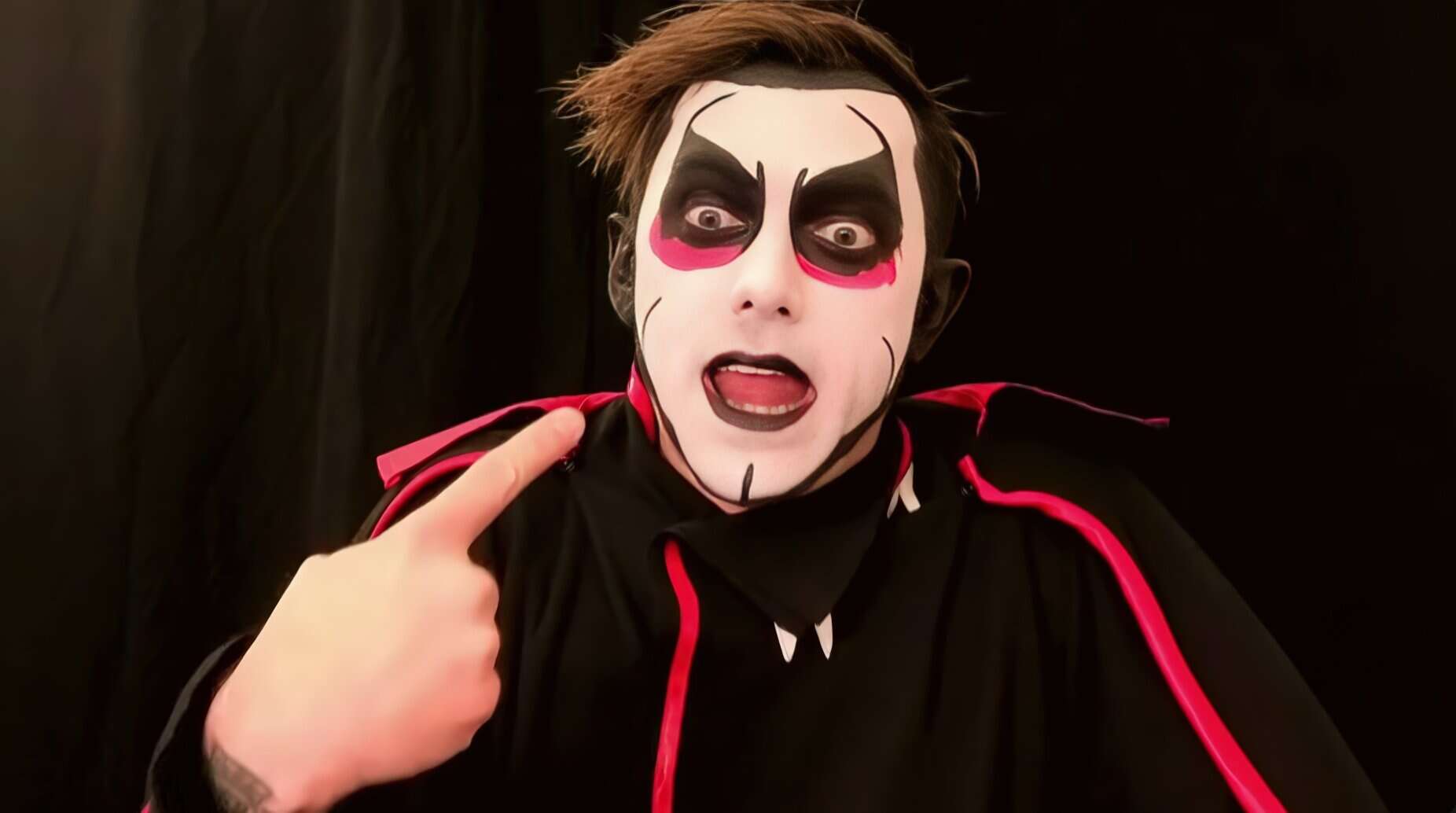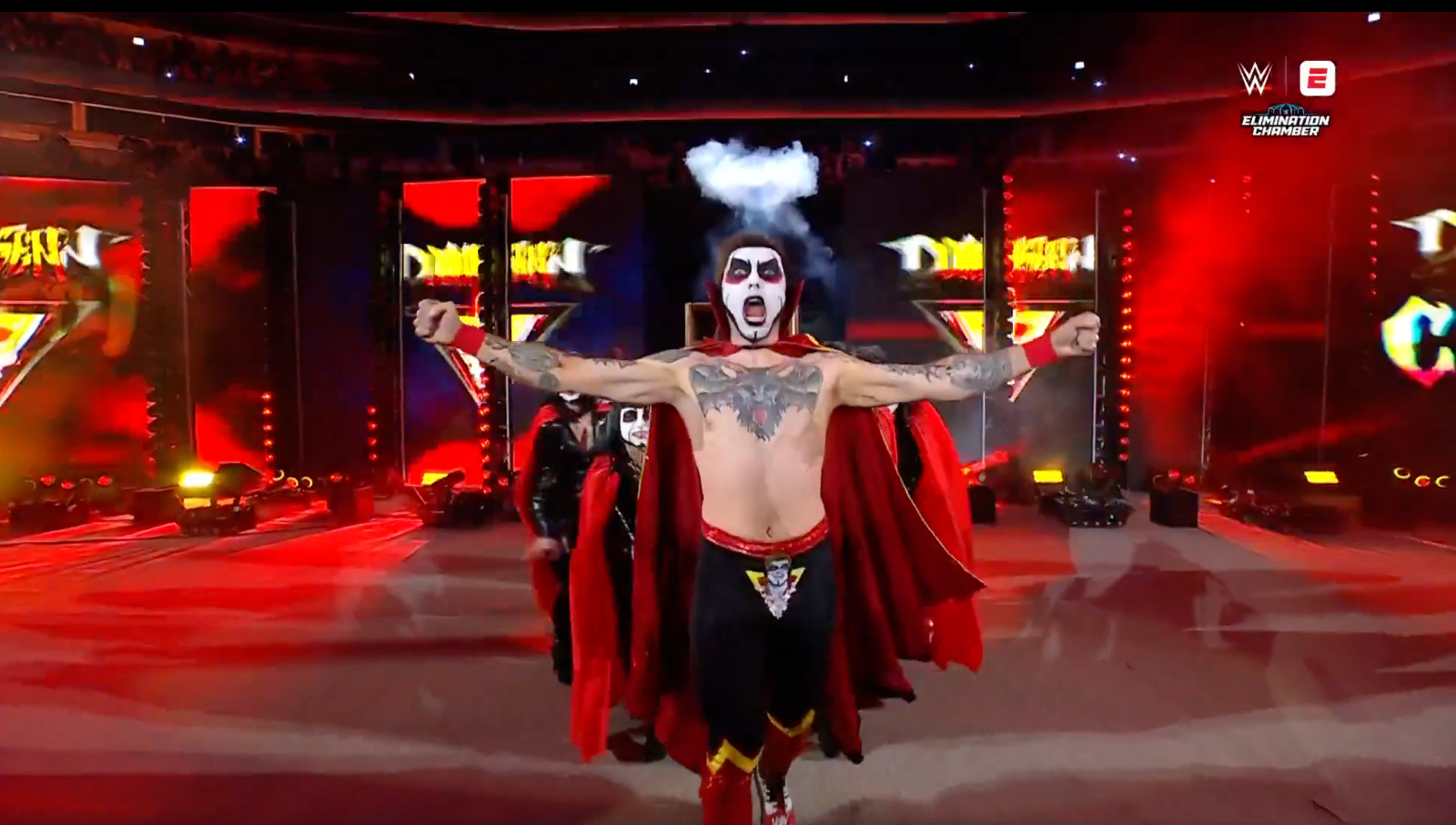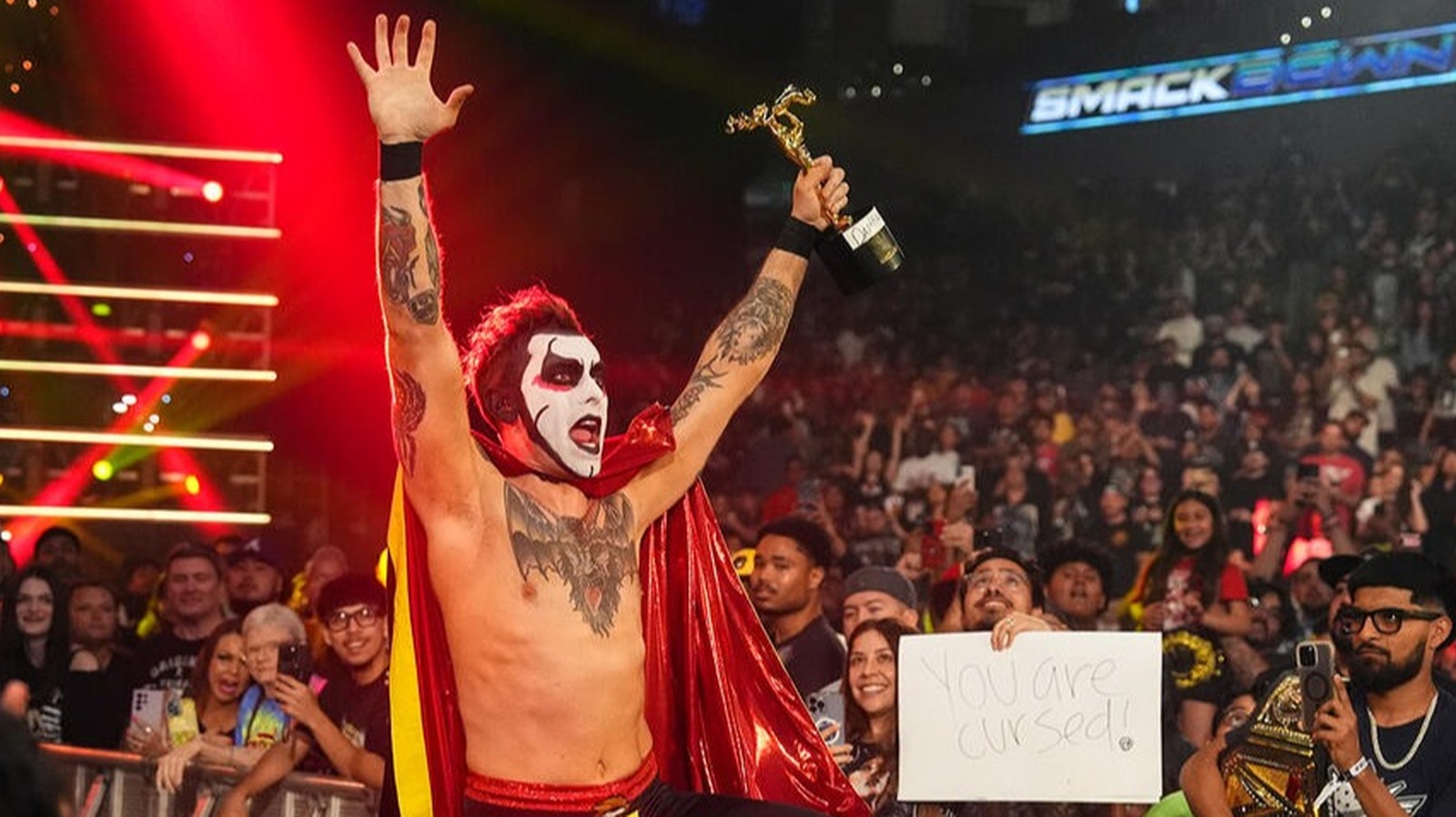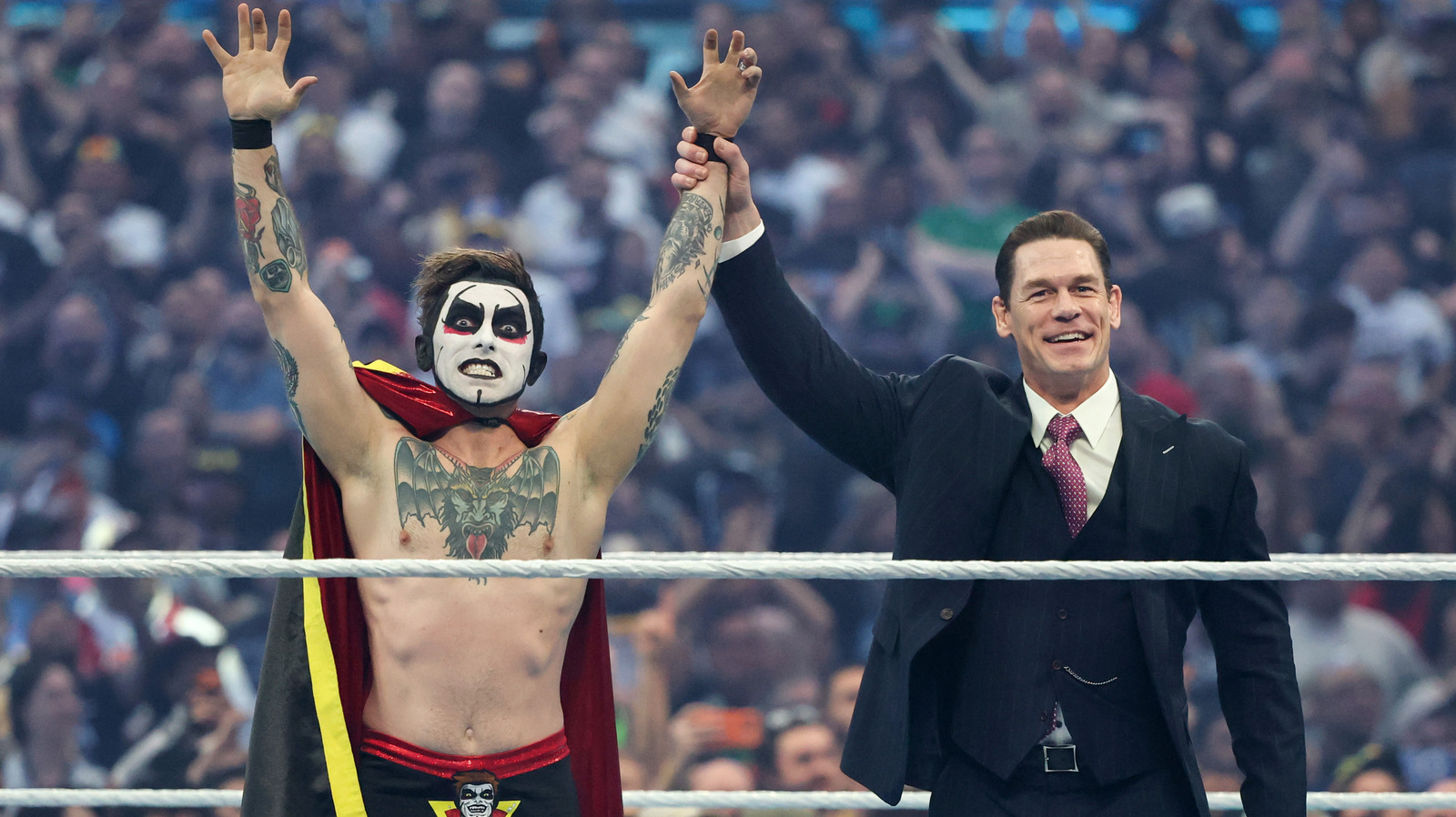
The writing is on the wall for the favorite demon
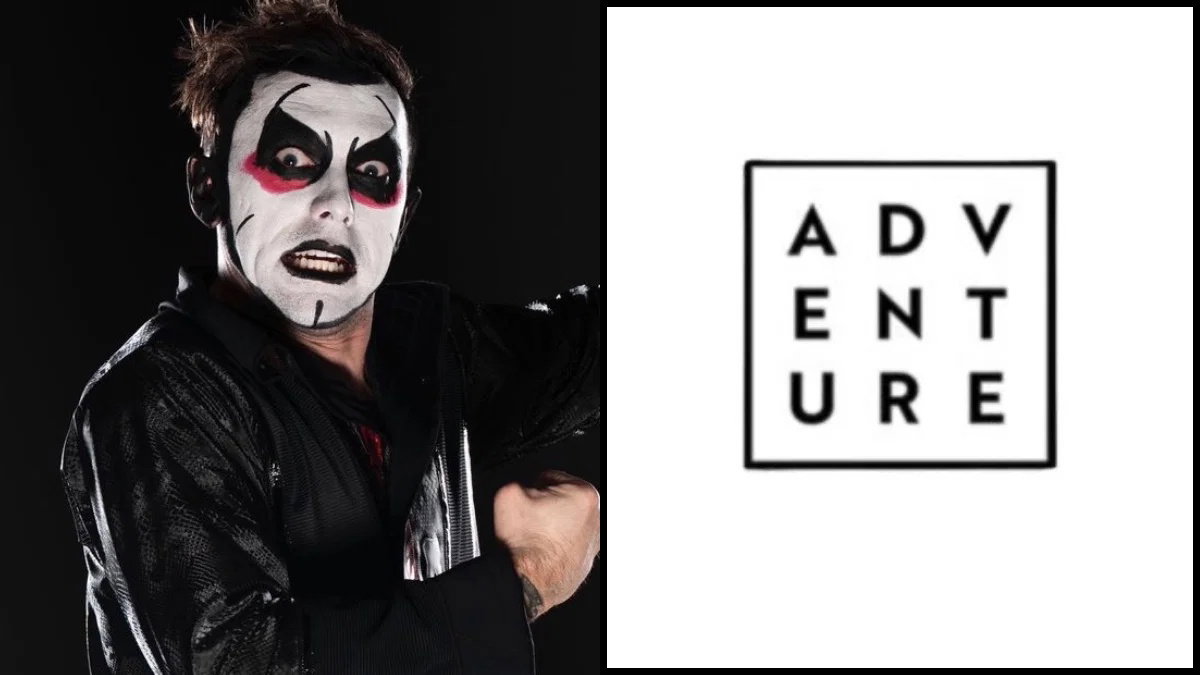
Danhausen just signed with Adventure Media. If you think this is just another minor administrative move in the wrestling business, you are completely missing the bigger picture. The man who managed to turn a bizarre, curses-obsessed internet persona into a massive mainstream act has officially outgrown the standard WWE machine.
When a talent like Danhausen brings in outside management, especially a prominent group like Adventure Media, it signals a massive shift in priorities. It means the internal WWE representation and marketing structures are no longer enough to contain his rapidly expanding brand.
Look at the history of professional wrestlers crossing over into mainstream entertainment. The pivot always starts with a new agency or management team. You don't sign with a major media management group unless you are planning to pitch animated series, land voice acting roles, or secure mainstream commercial deals that WWE's in-house team simply isn't equipped to handle.
The standard WWE contract is fundamentally designed to keep talent entirely within the corporate bubble. The company wants to negotiate your movie roles, approve your outside endorsements, and take a significant cut of the pie. By stepping outside that structure for representation, Danhausen is asserting a level of independence that is extremely rare in modern professional wrestling.
The ceiling of the mascot role
Let's be critical for a second. WWE has done a decent job capitalizing on Danhausen's popularity since he arrived, but they have also boxed him into a very specific, frustratingly limiting corner. He has been treated almost entirely as a mascot rather than a multidimensional performer.
His in-ring booking has been an absolute afterthought. He shows up on television, curses a mid-card heel, sells a mountain of t-shirts at the merchandise stand, and leaves. It is highly profitable for the company, but it is creatively stagnant for the performer.
We have seen this happen before with comedic talents. Look at how WWE handled Santino Marella or R-Truth. They were given incredible amounts of television time, but there was always a strict ceiling placed on their upward mobility. They were never allowed to break out of the comic relief box. Danhausen is currently hitting his head against that exact same ceiling.
The WWE machine clearly sees him as a merchandise mover first and a wrestler second. By signing with Adventure Media, Danhausen is taking back control of his creative trajectory. He knows the physical bump-card of a professional wrestler is finite. Why take unnecessary risks in the ring, taking flat back bumps for minor television segments, when your character is custom-built for late-night television, adult animation, or horror-comedy movies?
The management move is a clear indicator that he is looking beyond the squared circle. He recognizes that his peak earning potential isn't necessarily tied to holding a mid-card championship. It is tied to his incredibly unique intellectual property.
The economics of crossover appeal
Let's look at the financial reality. Professional wrestlers operate as independent contractors. They do not have union protections. They do not get residuals when their classic matches are streamed on Peacock. Their income is tied entirely to their physical ability to perform and sell merchandise on a weekly basis.
Mainstream actors and voice performers operate under Screen Actors Guild protections. They receive health insurance. They get residual checks. When an animated series goes into syndication, the voice actors continue to get paid for work they completed years prior. This is the financial stability that Adventure Media can unlock for him.
Danhausen understands this disparity. His character does not require him to take suplexes onto the hard apron. The voice, the cadence, the facial expressions, and the distinctive makeup are all highly translatable to mediums that don't destroy your lower back. Adventure Media specializes in exactly these types of transitions.
They will package his brand into pitch decks for networks. They will book him on mainstream podcasts that reach beyond the traditional wrestling audience. They will secure commercial campaigns where he can act in character without needing WWE's permission or needing to share the revenue with Stamford.
Why WWE executives should be worried
WWE executives should be looking at this Adventure Media signing with a healthy dose of anxiety. They rely heavily on his merchandise sales to pad their quarterly numbers. His shirts consistently rank in the top tier of WWE Shop sellers, often outpacing heavily pushed main event stars who receive triple the television time.
But what happens when Adventure Media secures him a role in a major streaming series? What happens when a network greenlights a late-night talk show format hosted entirely in character? Suddenly, WWE is no longer the primary driver of the Danhausen brand.
They become secondary. And WWE absolutely hates being secondary. They prefer to own the talent completely. This new management deal creates a significant power dynamic shift. Danhausen now holds all the cards. He isn't desperate for a quick backstage segment on Raw or SmackDown because his team is actively building revenue streams outside of the wrestling business.
This level of independence terrifies traditional corporate wrestling structures. It means they can't dictate terms as easily. If they try to hardball him in future contract negotiations, he can simply walk away and focus entirely on his expanding media career.
The prediction: The 18-month exit strategy
Here is exactly where this is heading. I am calling it right now, and you can bookmark this take: within the next 18 months, Danhausen will drastically reduce his WWE schedule. This new management deal is the first deliberate step in a calculated transition away from full-time professional wrestling.
We are going to see a Danhausen animated project announced before the end of the year, or a significant recurring role in a mainstream comedy series. As those outside projects gain traction and demand more of his time, his WWE appearances will become much less frequent.
He will eventually shift to a part-time, special-attraction status. He might show up for the major premium live events to do a quick comedy spot and pop the massive stadium crowds, but his days of grinding out the weekly television schedule are rapidly coming to an end.
WWE will undoubtedly fight to keep the merchandise revenue flowing, perhaps offering him a lucrative legends-style contract to retain the licensing rights. But they won't be able to match the outside money or the creative freedom that Adventure Media can provide.
Danhausen isn't just a professional wrestler anymore. He is a fully formed, highly marketable intellectual property, and his new team is about to take that IP to the absolute masses. Enjoy his regular WWE appearances while you can, because the clock is ticking loudly.