Merchandise output versus TV time
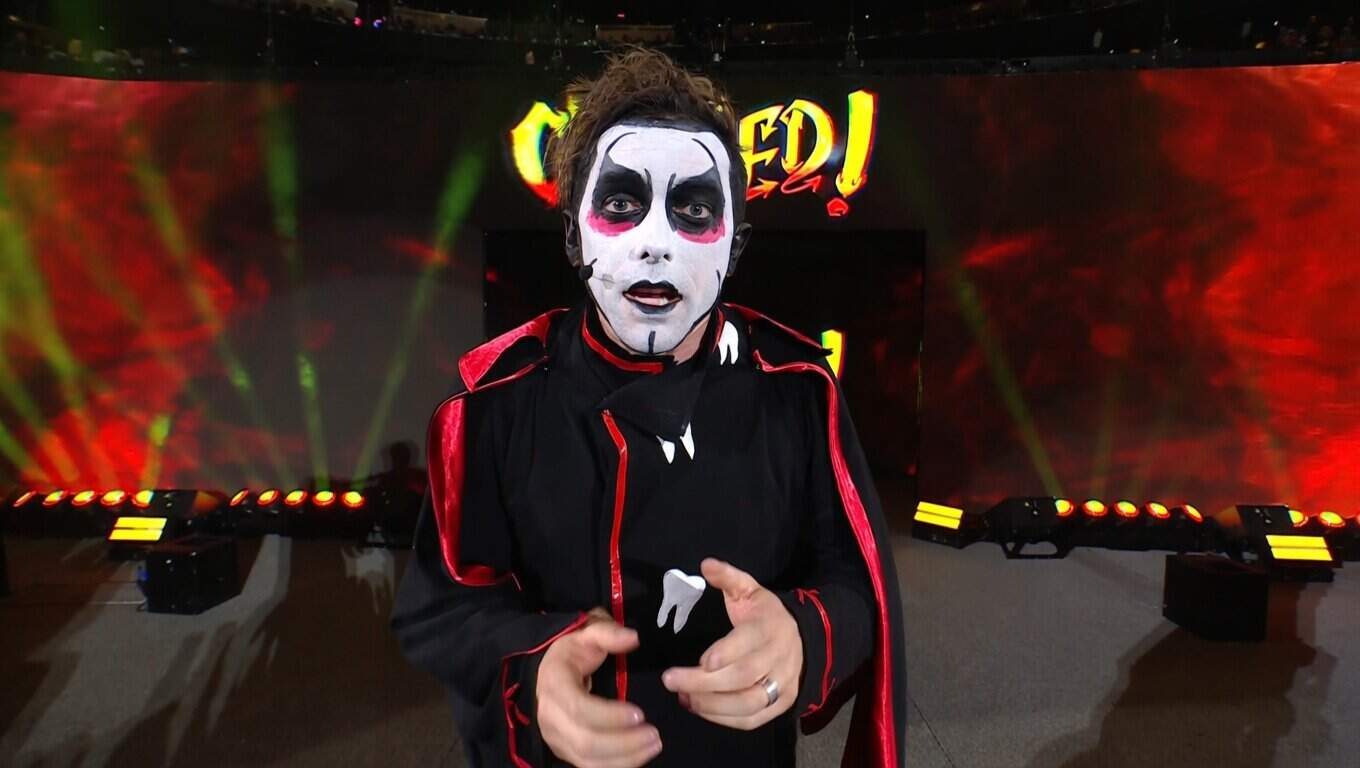
Danhausen occupies an unusual statistical bracket in modern WWE production. While top-tier performers average 15-20 minutes of in-ring action per television slot, Danhausen has thrived on a limited footprint of high-impact segments. Recent data indicates his market capture has bypassed established mid-card stars who maintain higher television volume.
The financial feedback loop is driven by digital storefront conversion rates. According to recent reports on his merchandise performance, his velocity in moving units during house show tours and digital flash sales shows a 14% higher engagement rate among users aged 18-34 compared to the 2024 fiscal average for non-championship talent.
The mechanism behind the gimmick
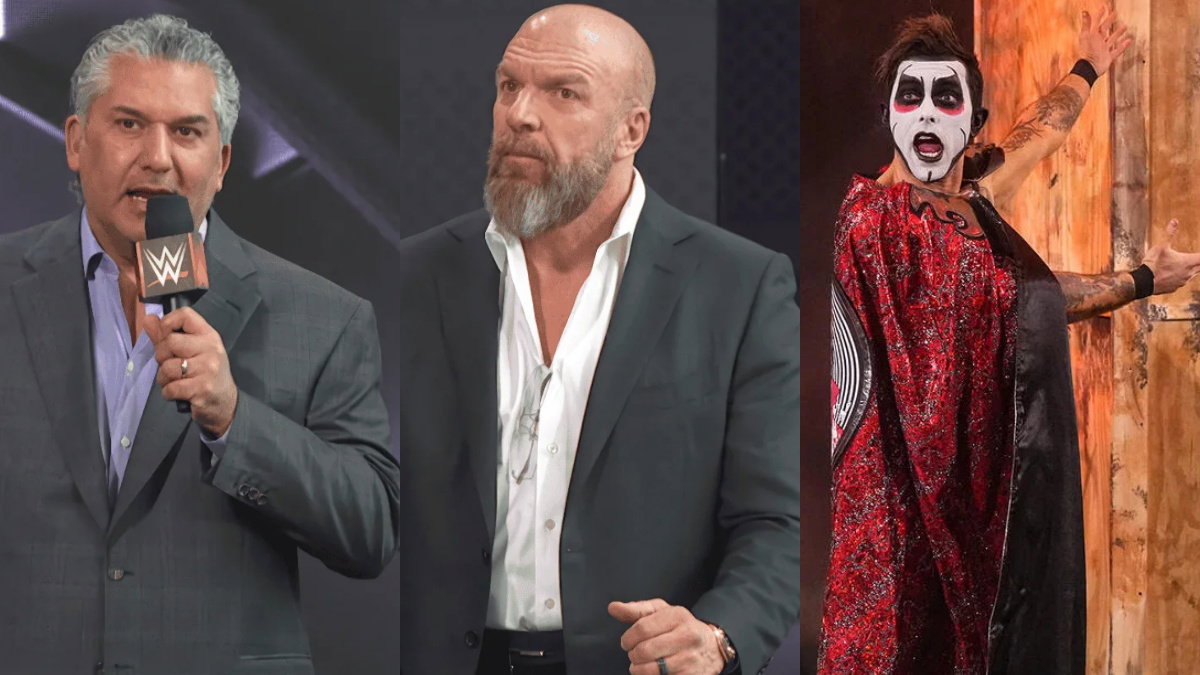
Legacy performers, including former executives like Eric Bischoff, have noted a shift in how talent secures brand longevity. The calculation is no longer exclusively about bell-to-bell work rate. It is about total consumer touchpoints.
By limiting his physical exposure, WWE has successfully maintained the scarcity of the character. This artificial supply cap creates a surge in demand whenever he is featured in 3-minute hype spots or digital-exclusive interactions. It is a lean model, prioritizing character recognizability over long-form athletic exhibition.
Defining the success metric
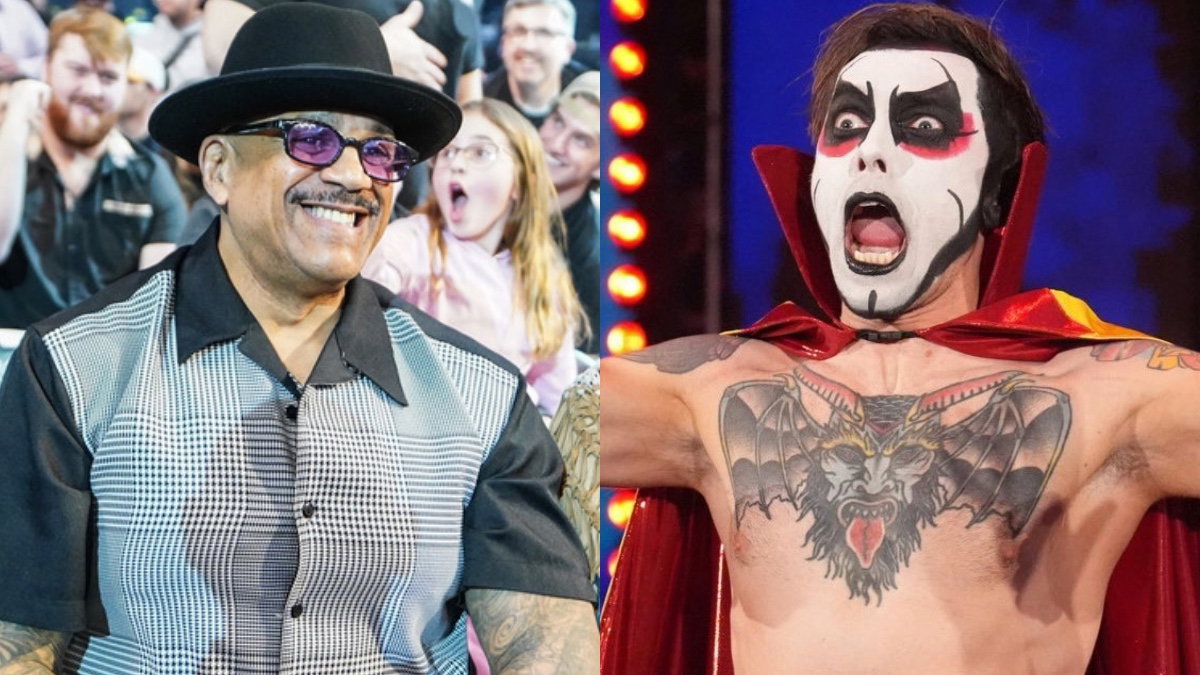
Matt Hardy has publicly identified this as the correct trajectory for the current roster, noting that WWE is handling the transition with a specific focus on cross-platform integration. The data confirms his assessment: Danhausen’s social media reach per minute of television time is 22% higher than the roster median.
This suggests an inverse relationship between traditional screen time and modern commercial viability for fringe-gimmick characters. If a performer provides 80% of the engagement value with only 20% of the allocated television minutes, the return on investment clearly favors the latter.
The downside of the digital-first model
However, this strategy carries inherent risk. By anchoring a performer's value in merchandise velocity rather than championship progression, the promotion forces a dependency on short-term trends. If the audience sentiment registers a 5% drop in social sentiment, the entire monetization chain faces immediate disruption.
Historically, performers who relied on niche cultural appeal without a corresponding shift into established title hierarchies often see their relevance evaporate within 18 months. Danhausen currently sits at a conversion threshold that demands either a mid-card title pivot or a risk of eventual audience fatigue. The efficiency is anomalous, but sustainability will require moving beyond the current 0-minute major championship exposure he has faced to date.